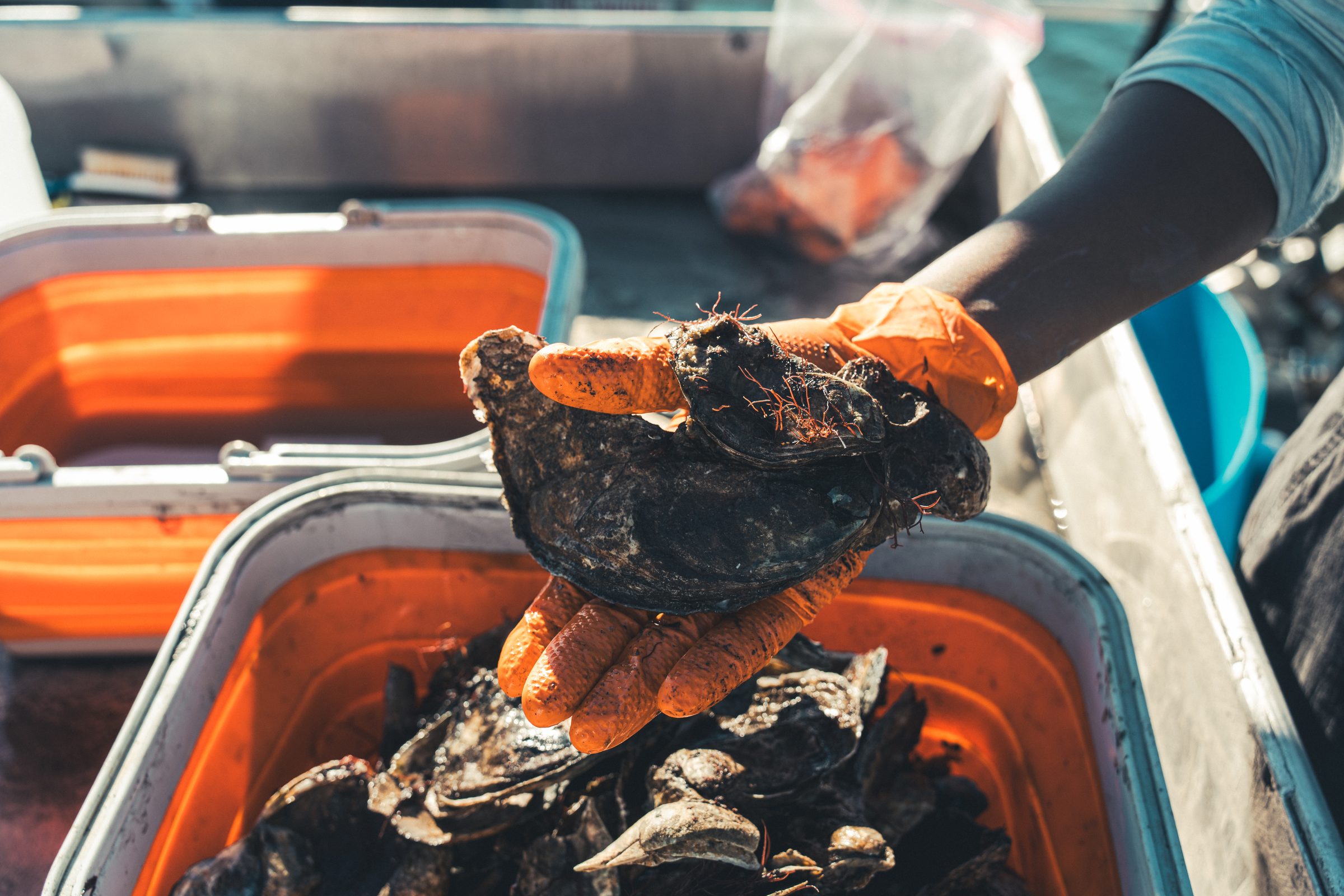
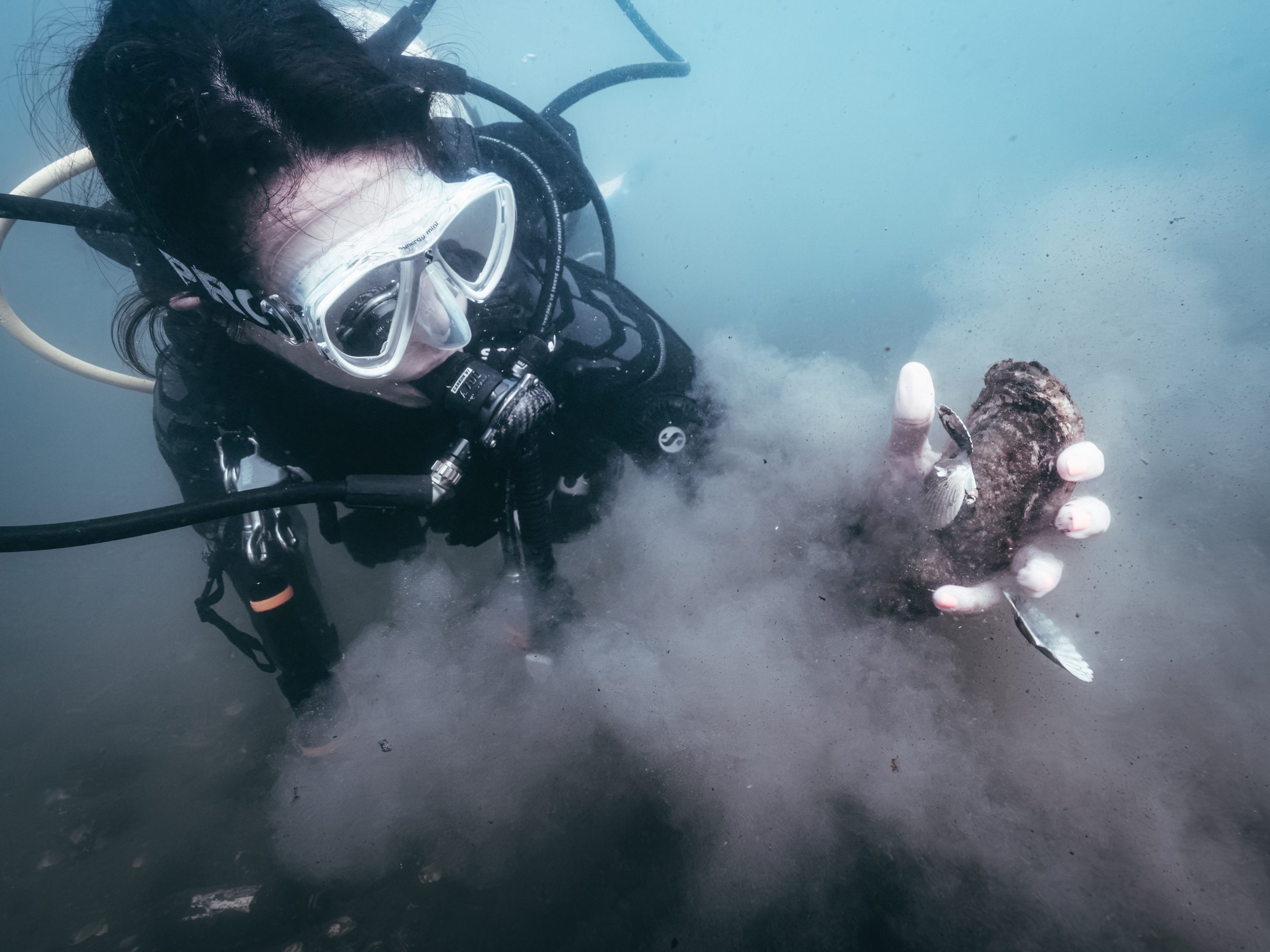
A gloved hand holds up a live oyster above a bin of oysters on a Billion Oyster Project work boat

Annual Appeal · 2026

Impact Report 2026

Support the Annual Appeal

If you take care of nature’s system, the system takes care of you.

Billion Oyster Project · Impact Report 202601 · From the founder

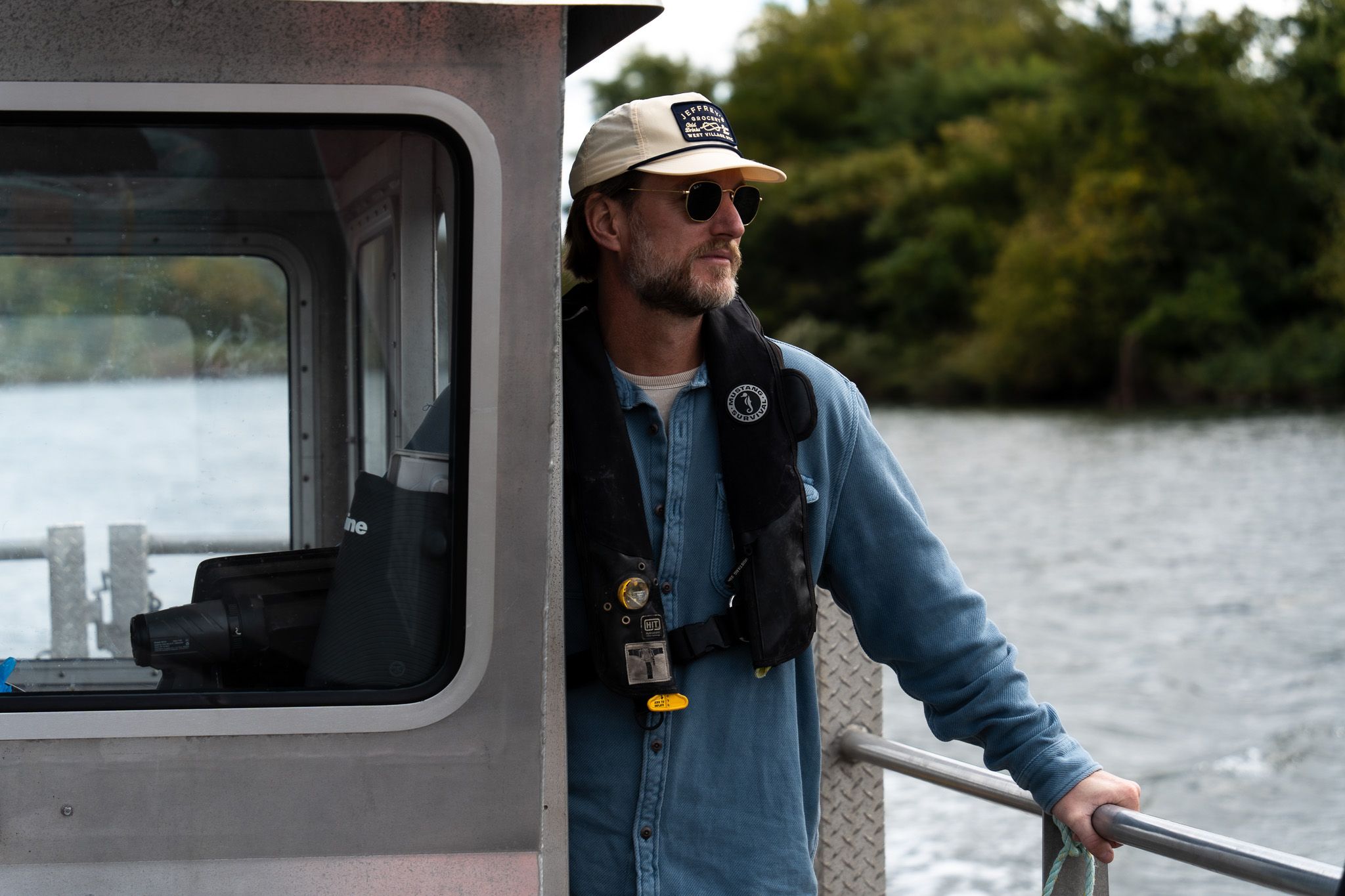
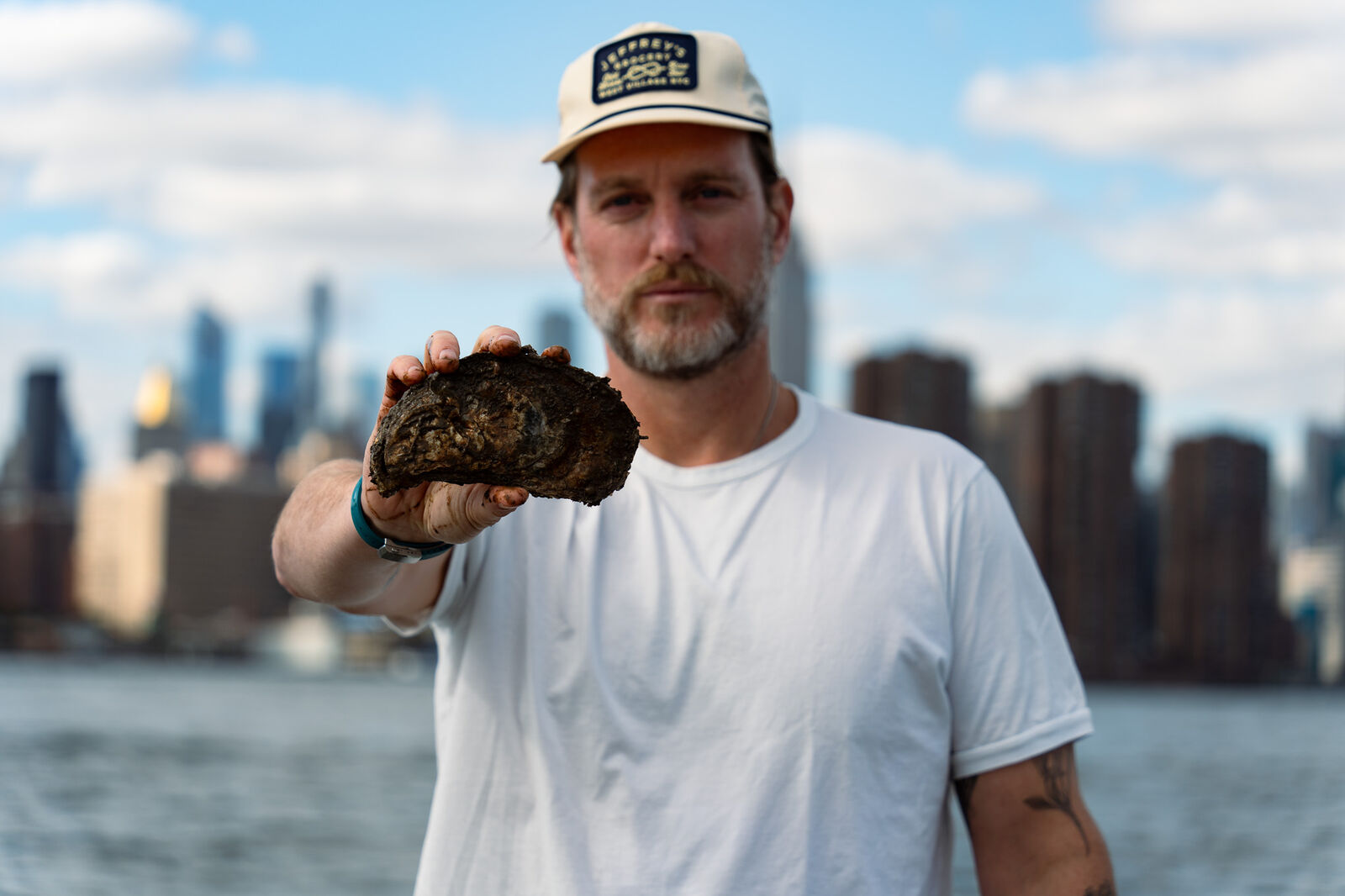
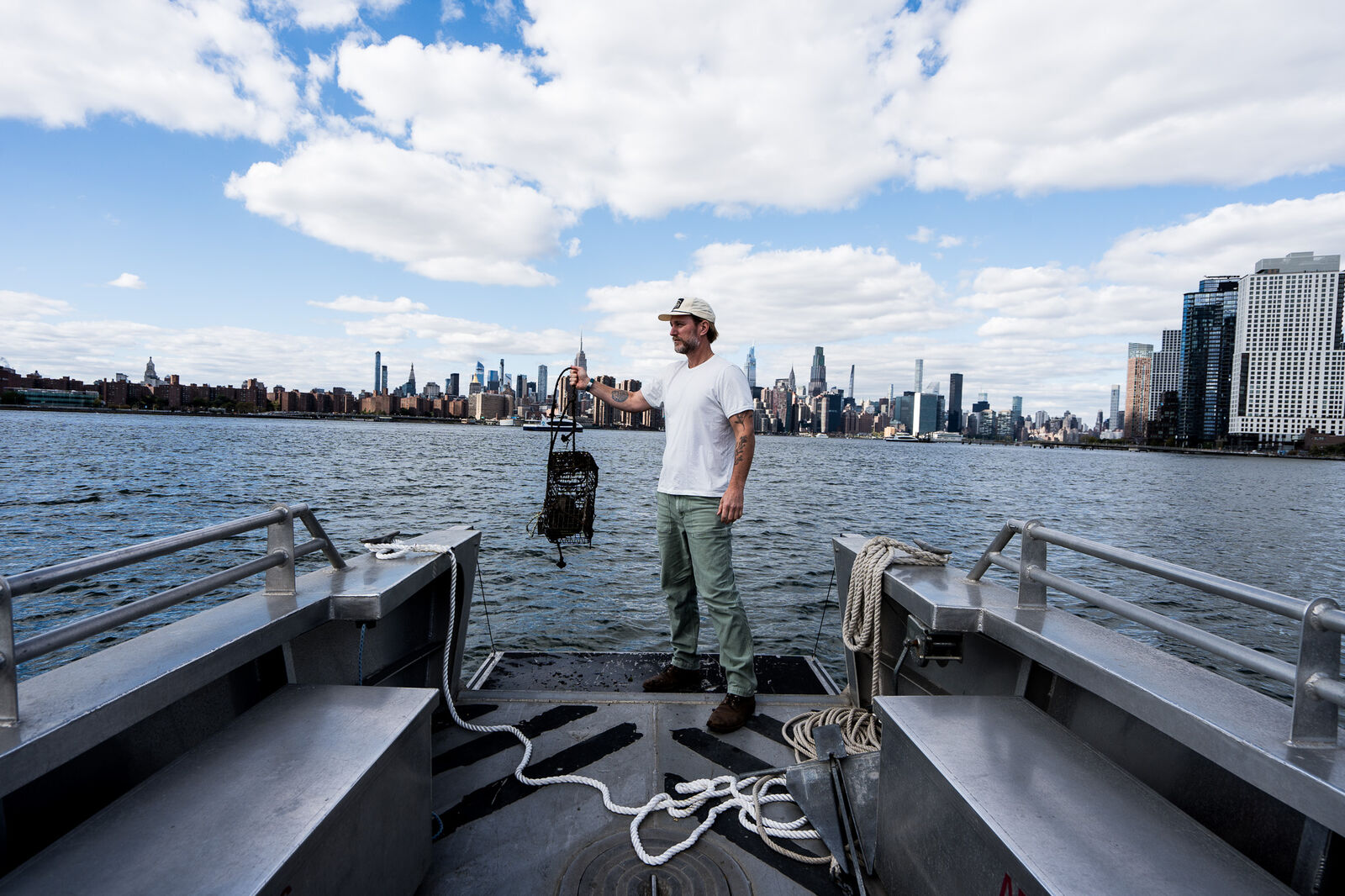
Pete Malinowski standing on the bow of a boat holding up an oyster cage, the Manhattan skyline behind him Pete Malinowski holding up an oyster shell to the camera Pete Malinowski on the boat deck with an oyster cage, the skyline across the water

Dear friends
of the Harbor

A few months ago, our team discovered something at Soundview Park in the Bronx that I've been hoping to see for a very long time. Wild oysters were growing on reef structures we had never seeded. Nobody had put them there. They had found their way to the reef on their own, settled, and begun to grow. I've spent most of my life around oysters, and I can tell you that finding them there meant more to me than I can easily put into words. After years of trying to create the right conditions for life to return to New York Harbor, we were seeing the Harbor begin to do some of that work itself.

We started building the reef at Soundview six years ago, alongside students who helped weld structures, dive the site, and collect data alongside our team. It was not a straightforward process. Nothing is in restoration like this. We tested different approaches and watched some fail. We removed structures that couldn't withstand the conditions, and kept returning to try again. This year, we saw some remarkable results. Oysters on our newer structures had grown to nearly three inches in just 14 months. They were mature and spawning, disease levels were low, and wild oysters were settling on the reef without our intervention. After years of work, these were the signs we'd been hoping to find.

Wild oysters were growing on reef structures we had never seeded.

Pete Malinowski

Pete Malinowski
CEO & Co-Founder

A letter from Pete Malinowski

Dear friends

A few months ago, our team discovered something at Soundview Park in the Bronx that I've been hoping to see for a very long time. Wild oysters were growing on reef structures we had never seeded. Nobody had put them there. They had found their way to the reef on their own, settled, and begun to grow. I've spent most of my life around oysters, and I can tell you that finding them there meant more to me than I can easily put into words. After years of trying to create the right conditions for life to return to New York Harbor, we were seeing the Harbor begin to do some of that work itself.

We started building the reef at Soundview six years ago, alongside students who helped weld structures, dive the site, and collect data alongside our team. It was not a straightforward process. Nothing is in restoration like this. We tested different approaches and watched some fail. We removed structures that couldn't withstand the conditions, and kept returning to try again. This year, we saw some remarkable results. Oysters on our newer structures had grown to nearly three inches in just 14 months. They were mature and spawning, disease levels were low, and wild oysters were settling on the reef without our intervention. After years of work, these were the signs we'd been hoping to find.

To understand why that matters, you have to understand what this Harbor once was. For thousands of years, the Lenape lived alongside and harvested from an estuary filled with oyster reefs. New York eventually became one of the world's great oyster-producing cities, supported by an extraordinary natural abundance that most of us can scarcely imagine today. But overharvesting, pollution, and the transformation of the waterfront took their relentless toll. Within generations, the reefs had largely disappeared, and the Harbor became a place many New Yorkers learned to avoid rather than explore. As some naturalists say in the city, New Yorkers truly turned their backs on the Harbor. We lost more than oysters. We sincerely lost a connection to the natural world that had helped shape this city from its very beginning.

When we started Billion Oyster Project, we wanted to challenge the idea that this loss was permanent. We believed that New York Harbor could once again support thriving oyster reefs, and that the people growing up around it should have a hand in bringing them back. But believing something is possible and knowing how to make it happen are very different things. The work at Soundview has given us reason for real optimism, real hope. And of course, a clearer understanding of how much remains to be done. Although the oysters are growing and reproducing, natural recruitment is not yet sufficient to sustain these small reefs over time. If we want oyster populations that can endure for generations, we need to restore habitat on a much larger scale and begin reconnecting the places where oysters can live and reproduce throughout the Harbor.

That is the challenge we're preparing to take on in 2027. At Head of Bay in Jamaica Bay, we plan to restore 47 million oysters, drawing on the lessons we've learned at Soundview and across more than a decade of restoration work. The scale is ambitious, but it reflects how our understanding of this ecosystem has evolved. We're no longer simply asking whether oysters can survive in New York Harbor. We're working to understand what it will take for them to thrive here again, with less and less help from us over time.

As much as I care about the oysters, I think just as often about the young people who are growing up alongside this work. I've watched students who had never thought much about the water surrounding their city become completely absorbed in what they find beneath its surface. I've seen them take on the difficult, sometimes messy work of asking heavy-hitting questions, collecting data, and trying to understand why something succeeds or fails. These experiences can change the way a young person sees New York, but they can also change the way they see themselves. The Harbor becomes more than scenery or something to cross on the way to somewhere else. It becomes a place they know, care about, and have helped shape.

That's why our education work has always been inseparable from restoration. This year, we engaged 24,104 students through our programs, and as we prepare to expand access through our new partnership with NYC Ferry and the New York City Economic Development Corporation (NYCEDC), called the Floating Classroom, I keep thinking about how many New York City children have grown up within sight of the water without ever having the opportunity to experience it firsthand. I want those young people to know the Harbor as an active part of their city, and to grow up with the understanding that its future is something they can influence. Whether they become scientists, teachers, engineers, artists, or something entirely different, that sense of connection can stay with them.

Looking back on this year, I'm proud that our restoration work has reached 19.58 acres of reef and that our scientists documented 66 marine species around our reefs. I'm proud of the thousands of students who have explored the Harbor with us and the many people who have given their time, expertise, and support to make this work possible. But what I’m thankful for the most is the relationship between those accomplishments. Every reef we build creates new opportunities for marine life, and every young person who experiences the Harbor has an opportunity to develop a lasting connection to the natural world around them. We're rebuilding an ecosystem, but we're also helping New York rediscover something fundamental about itself.

This has always been a city shaped by water, and its future depends in part on how well we stand up for it.

None of this has happened quickly, and none of it would have happened without people like you. You've supported work that requires patience, experimentation, and the willingness to keep going even when progress is difficult to see. Your generosity continues to help us bring more young New Yorkers onto the water, and continue the long work of restoring the Harbor we all share.

I often wonder what New York Harbor will look like fifty years from now. My hope is that the reefs we're building today will be part of a much larger, self-sustaining ecosystem, one that no longer depends on people like us to keep putting oysters in the water. And I hope that the children growing up in this city will know the Harbor so well, and care about it so deeply, that they cannot imagine New York without its extraordinary natural life. That's the future we're working toward, and I'm deeply grateful that you're helping us get there.

With gratitude,

Pete Malinowski

Pete Malinowski
CEO & Co-Founder

What is Annual Appeal?

Once a year, we turn to the people who care about New York Harbor and ask them to invest in its future. Because every oyster reef we restore and every student we bring onto the water brings us closer to a city where our wild spaces and nature thrive.

A Harbor worth showing up for.

Once a year, we ask New Yorkers to come together for the Harbor we love and the future we believe it deserves. Every gift, at every level, helps carry this work forward, putting more oysters in the water and giving more students access to nature. Our aim is for more people to be in touch with the extraordinary natural world that surrounds our city. This is our Annual Appeal, and there’s a place in it for everyone.

Look what happens when a city gets involved.

Since 2014, more than 154,000 people have taken part in this work, including over 16,000 volunteers. Together, we’ve restored 19.58 acres of oyster reef, and in 2026 alone, collected 285,000 pounds of discarded shell for future restoration. But the most exciting results aren’t always the ones we can count. They’re the wild oysters beginning to settle on restored reefs and the marine life finding new habitat. New Yorkers are discovering, more than ever, that the Harbor is far more alive than they imagined.

We’ve come this far. Imagine what’s next.

For more than a decade, we’ve been learning how to bring oyster reefs back to New York Harbor. Now we’re preparing to do it at a scale we once dreamed of. In 2027, our Remote Setting Barge will help us build toward introducing hundreds of millions of juvenile oysters per year, while our Floating Classroom begins bringing students onto the Harbor in an entirely new way, with 50 rides planned in its first year. One effort rebuilds the ecosystem while the other helps raise a generation that knows it, loves it, and sees it as part of their every day. Your support helps move both forward.

Billion Oyster Project · Impact Report 202602 · The Harbor · In numbers

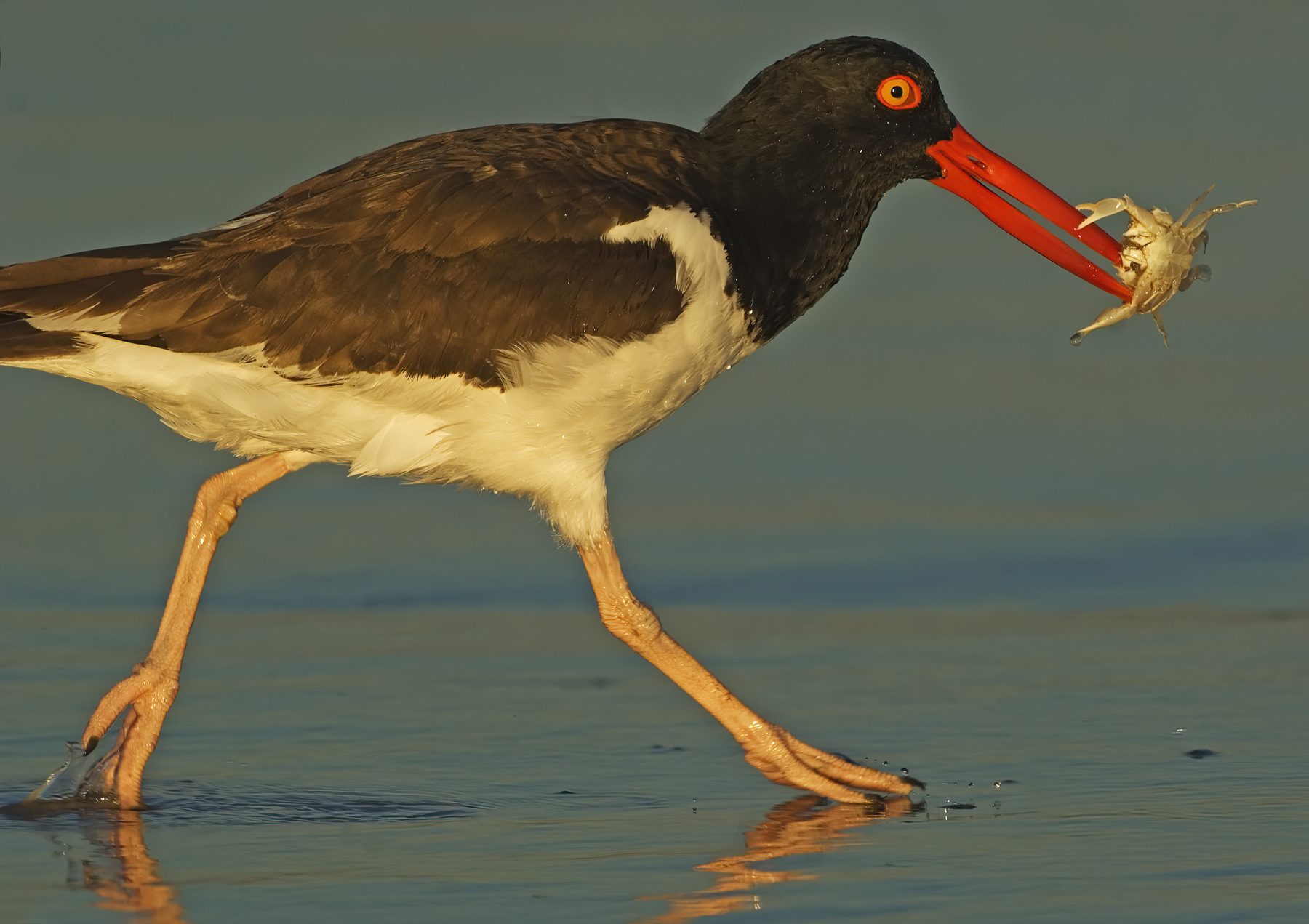
American Oystercatcher

01 / 20

American Oystercatcher

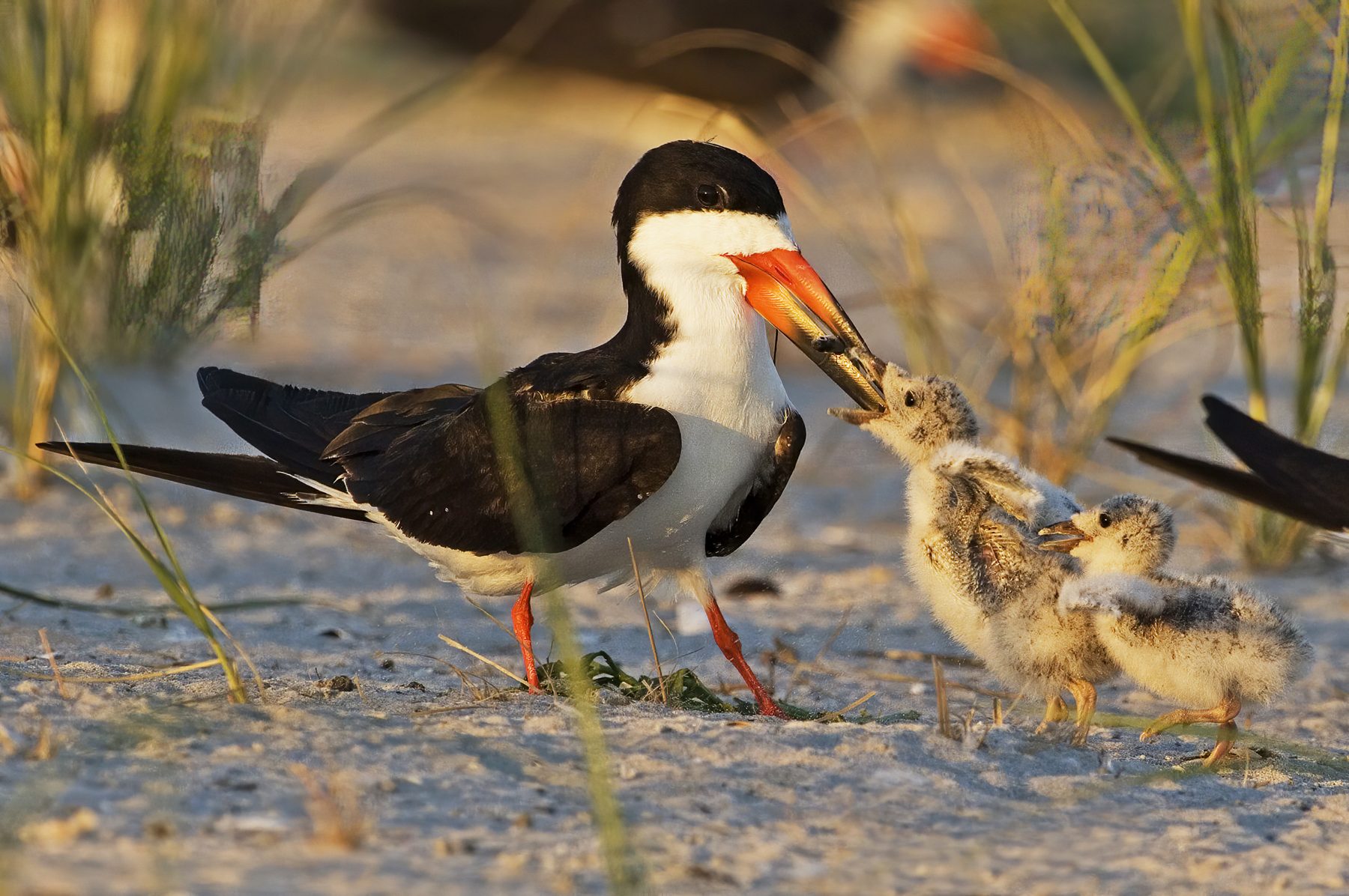
Black Skimmer

02 / 20

Black Skimmer

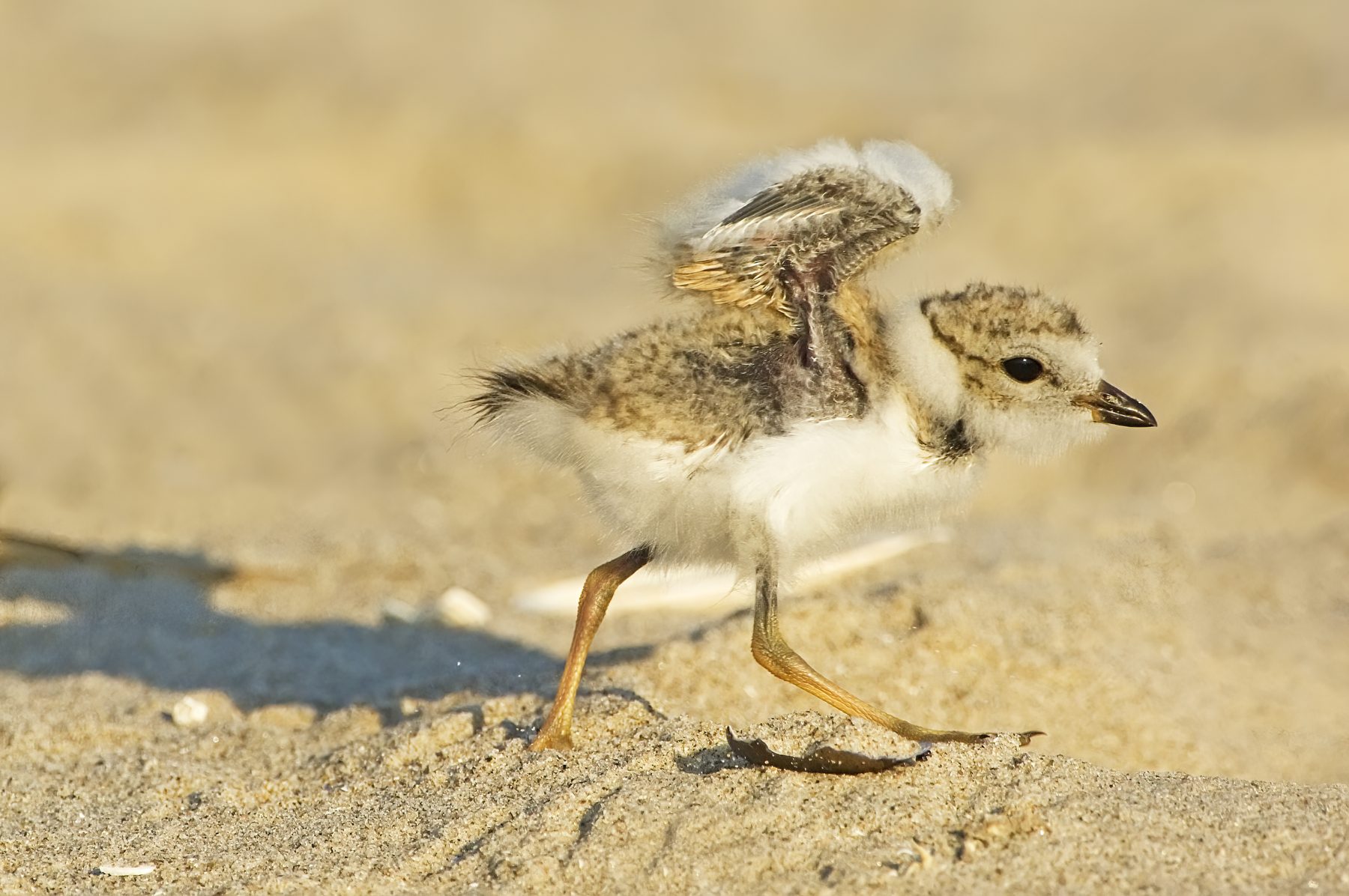
Piping Plover

03 / 20

Piping Plover

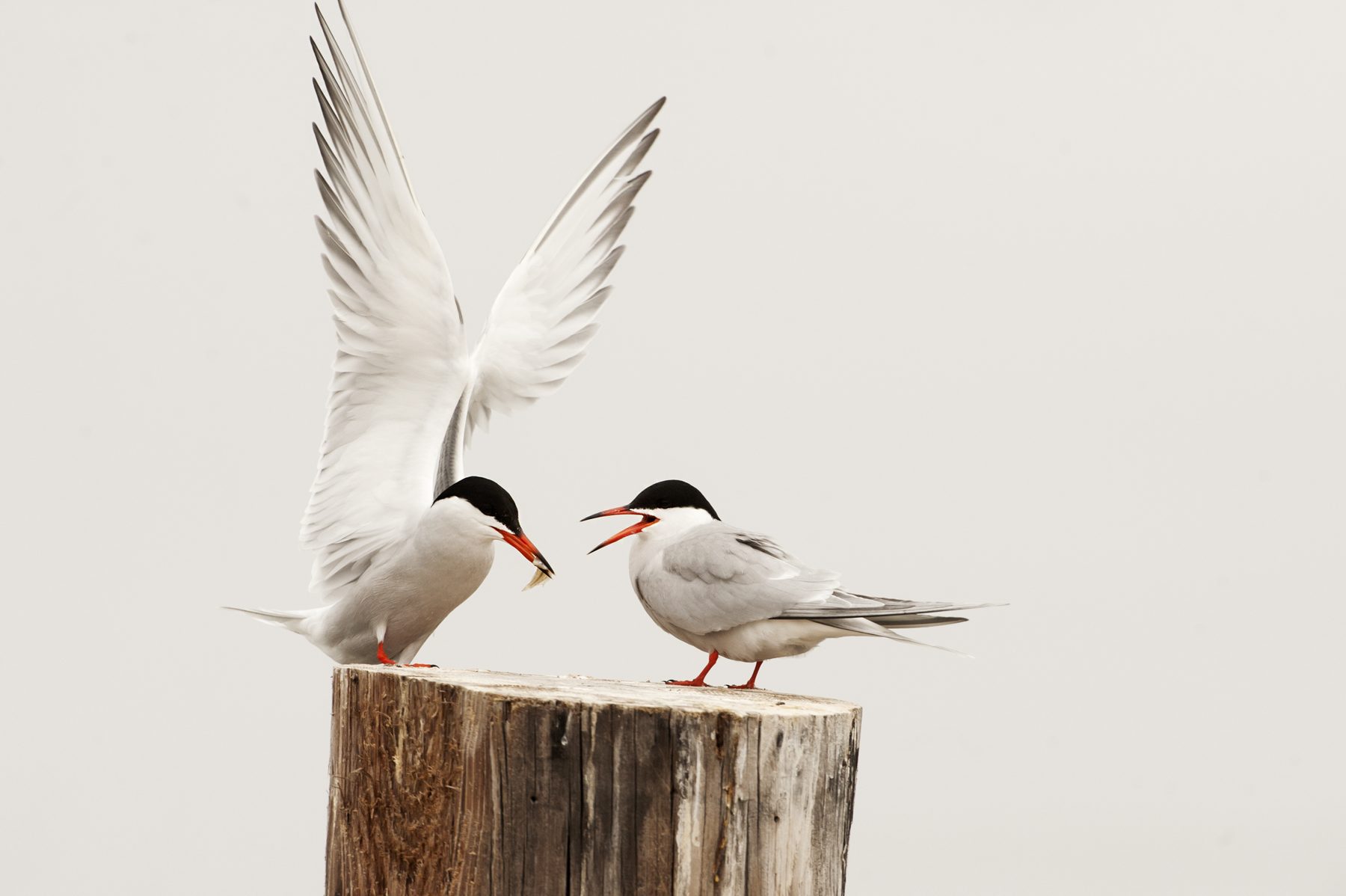
Common Tern

04 / 20

Common Tern

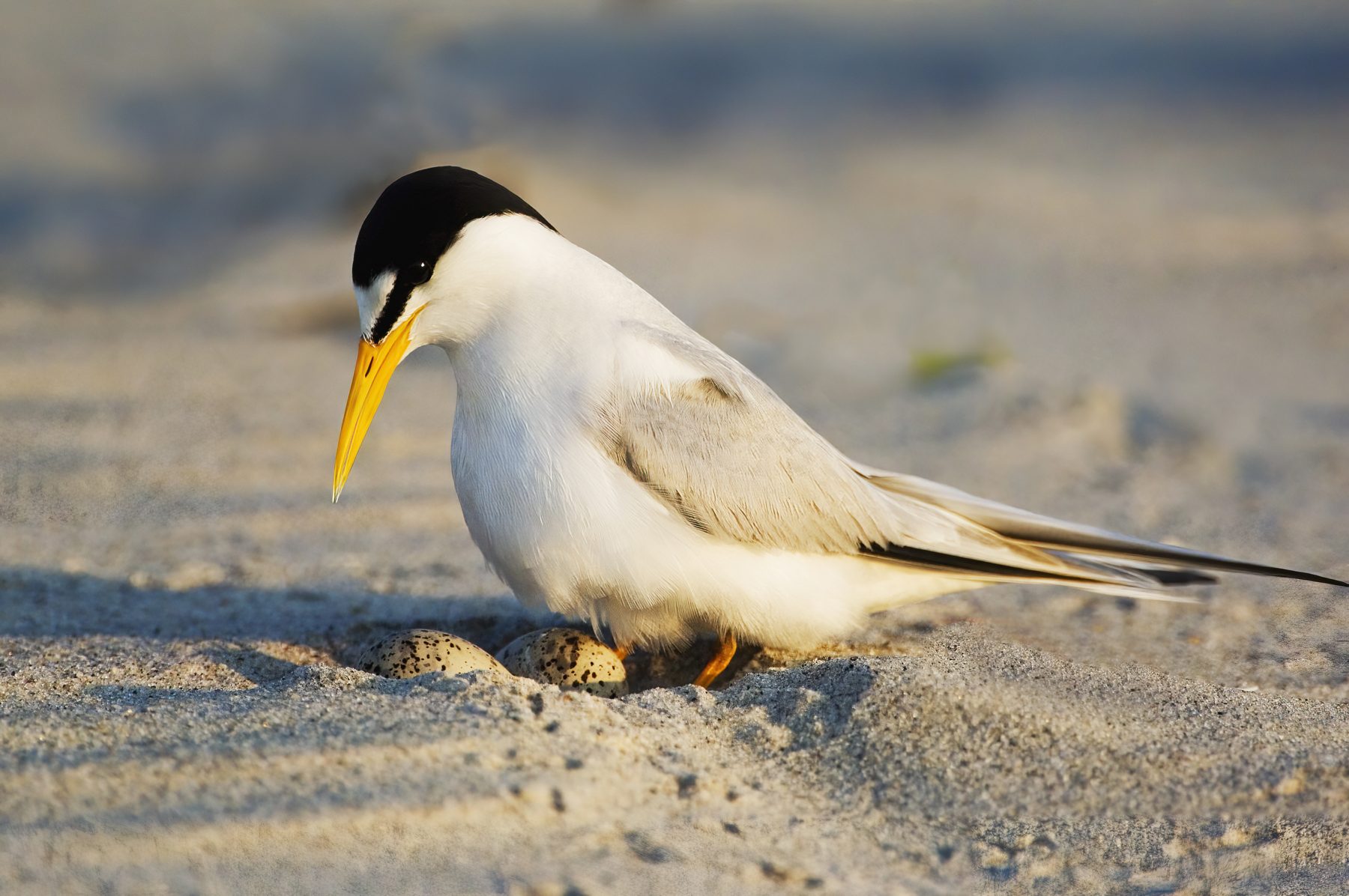
Least Tern

05 / 20

Least Tern

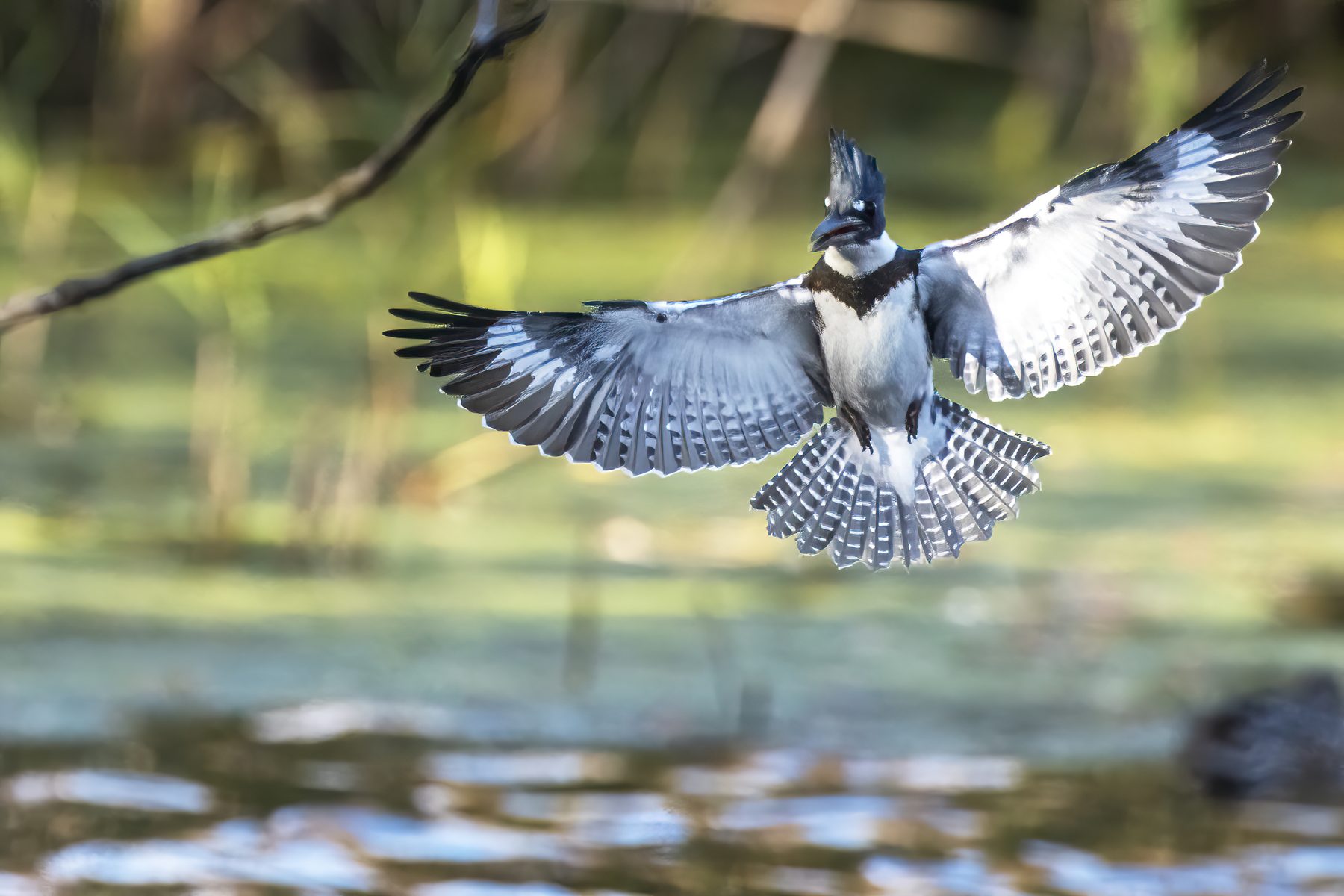
Belted Kingfisher

06 / 20

Belted Kingfisher

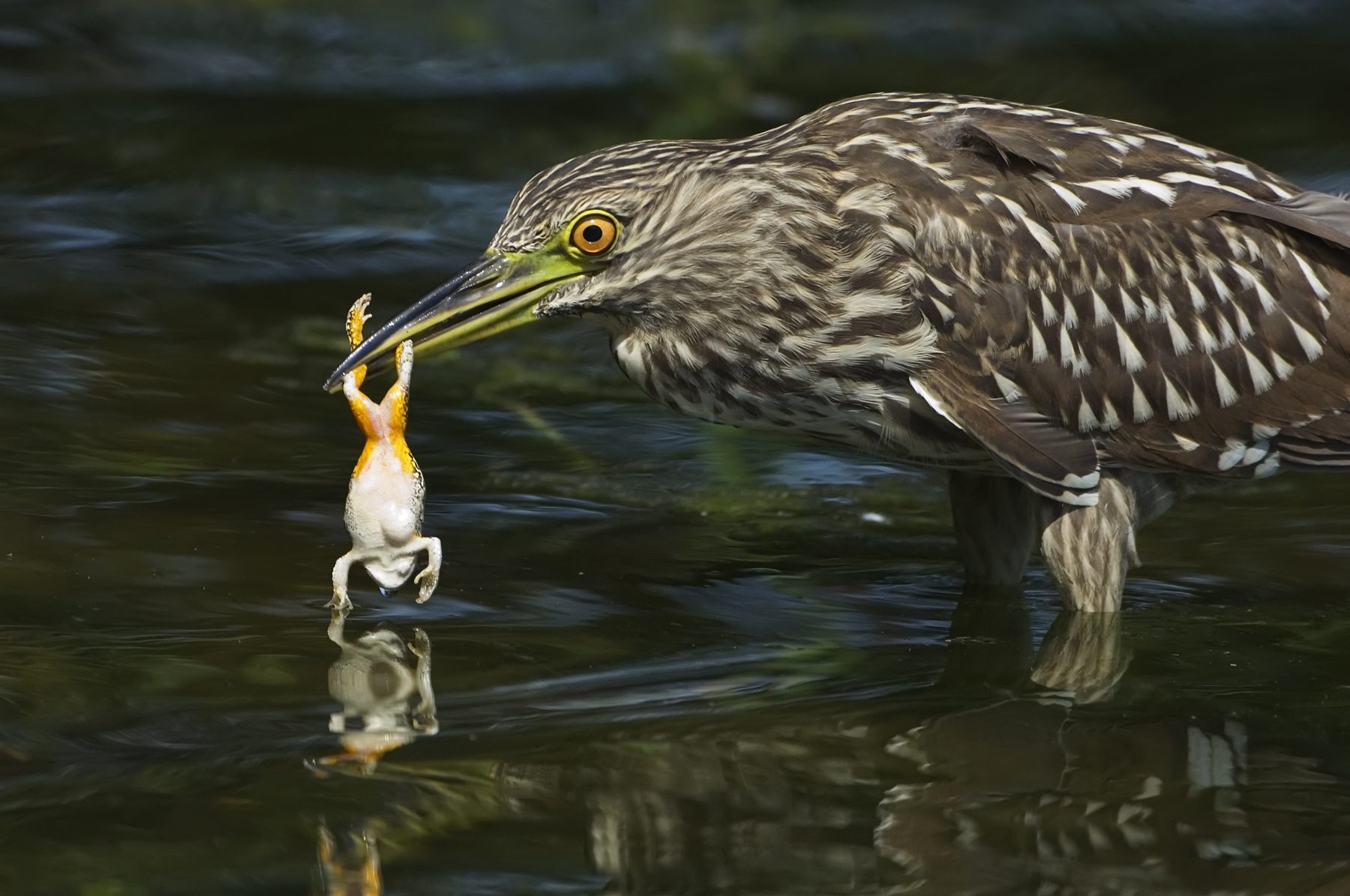
Black-crowned Night Heron

07 / 20

Black-crowned Night Heron

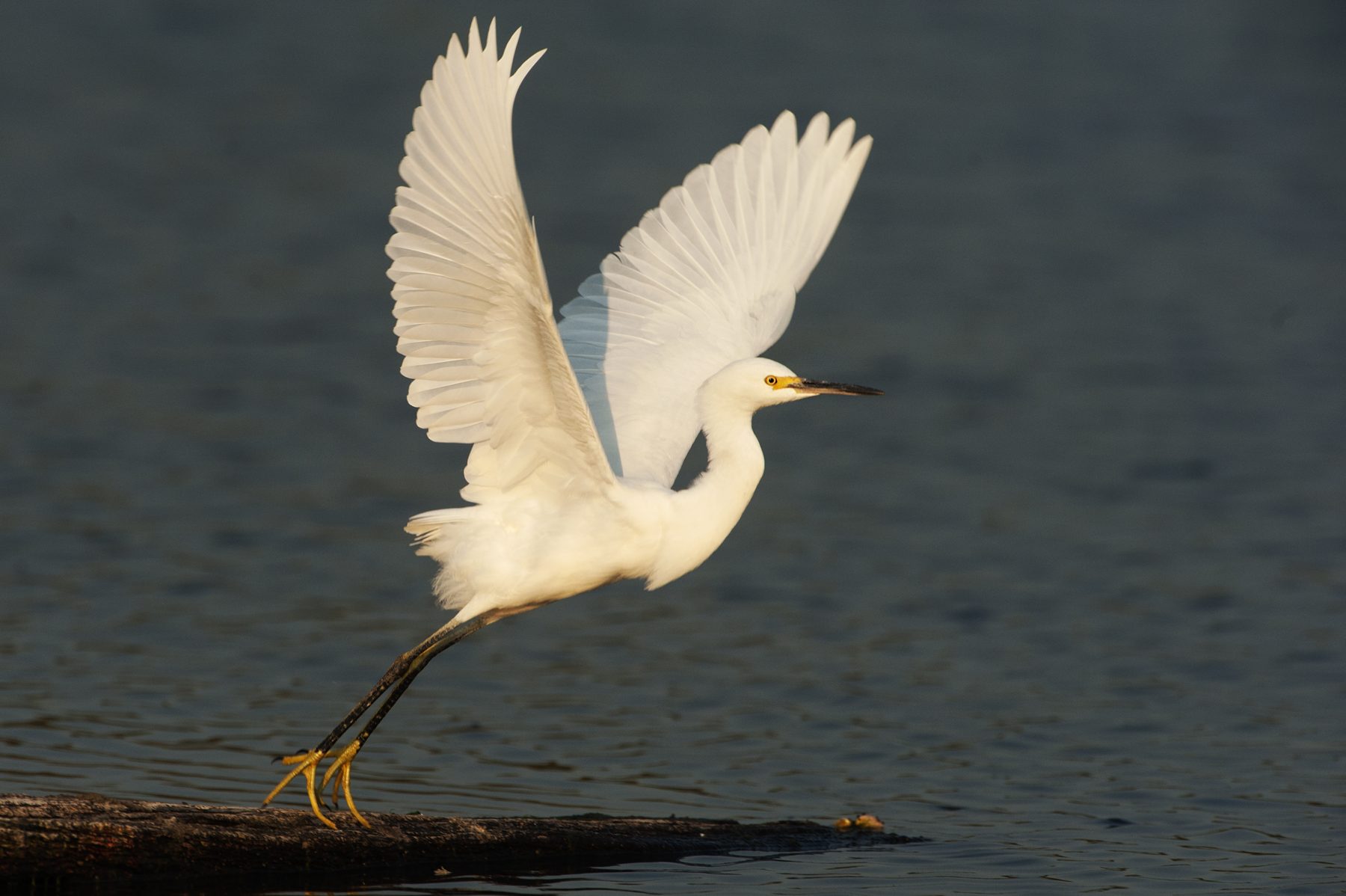
Snowy Egret

08 / 20

Snowy Egret

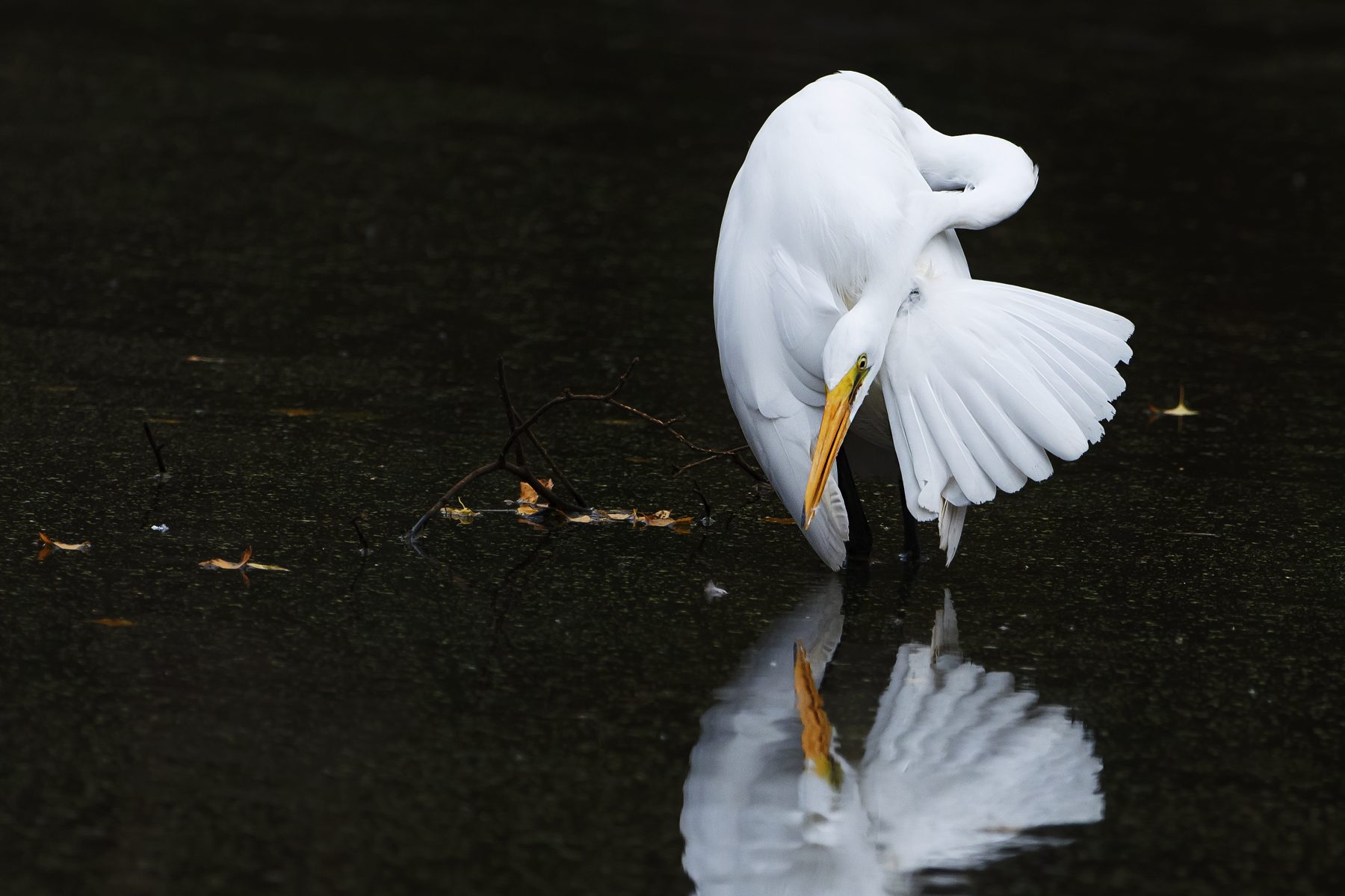
Great Egret

09 / 20

Great Egret

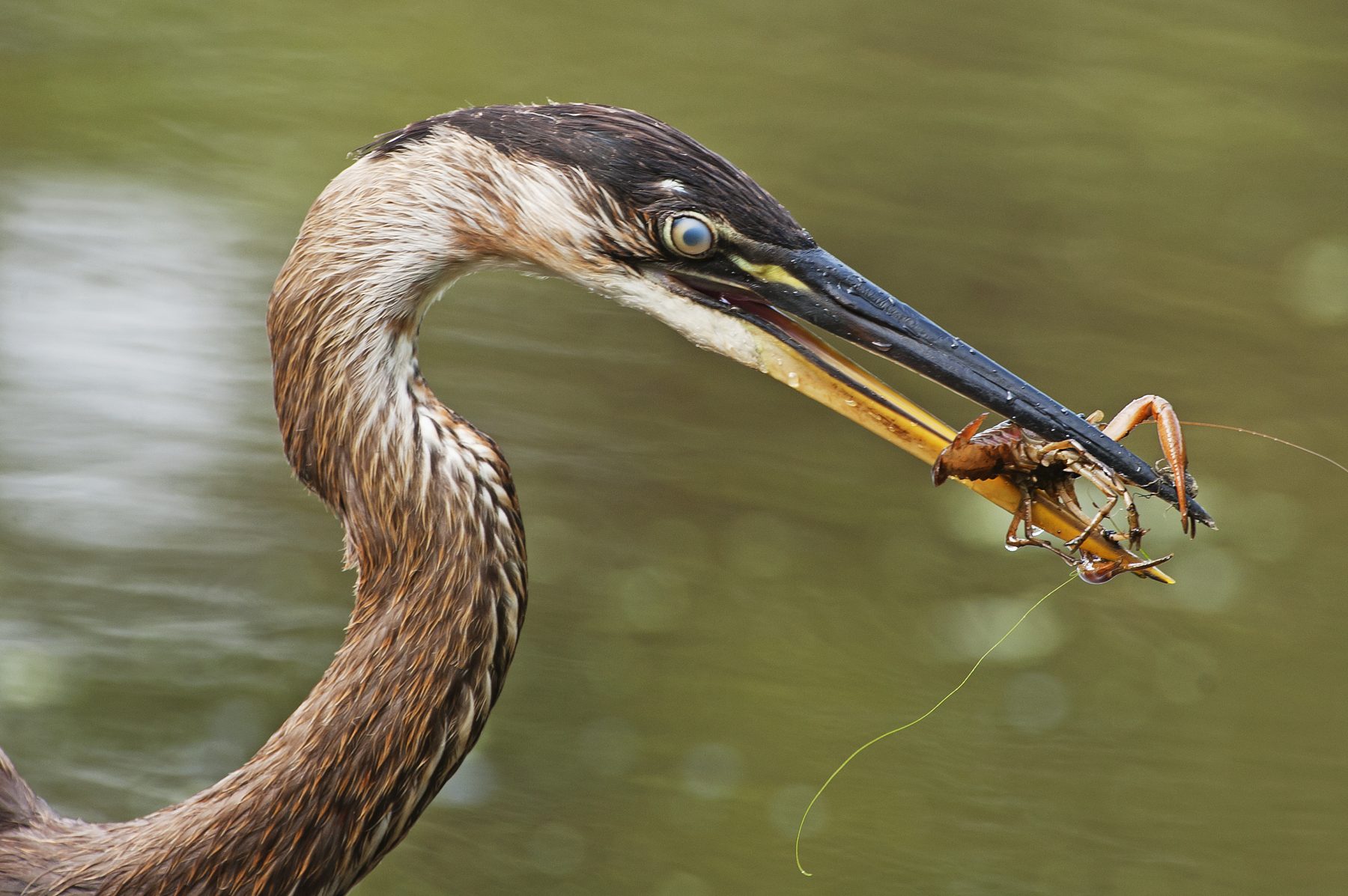
Great Blue Heron

10 / 20

Great Blue Heron

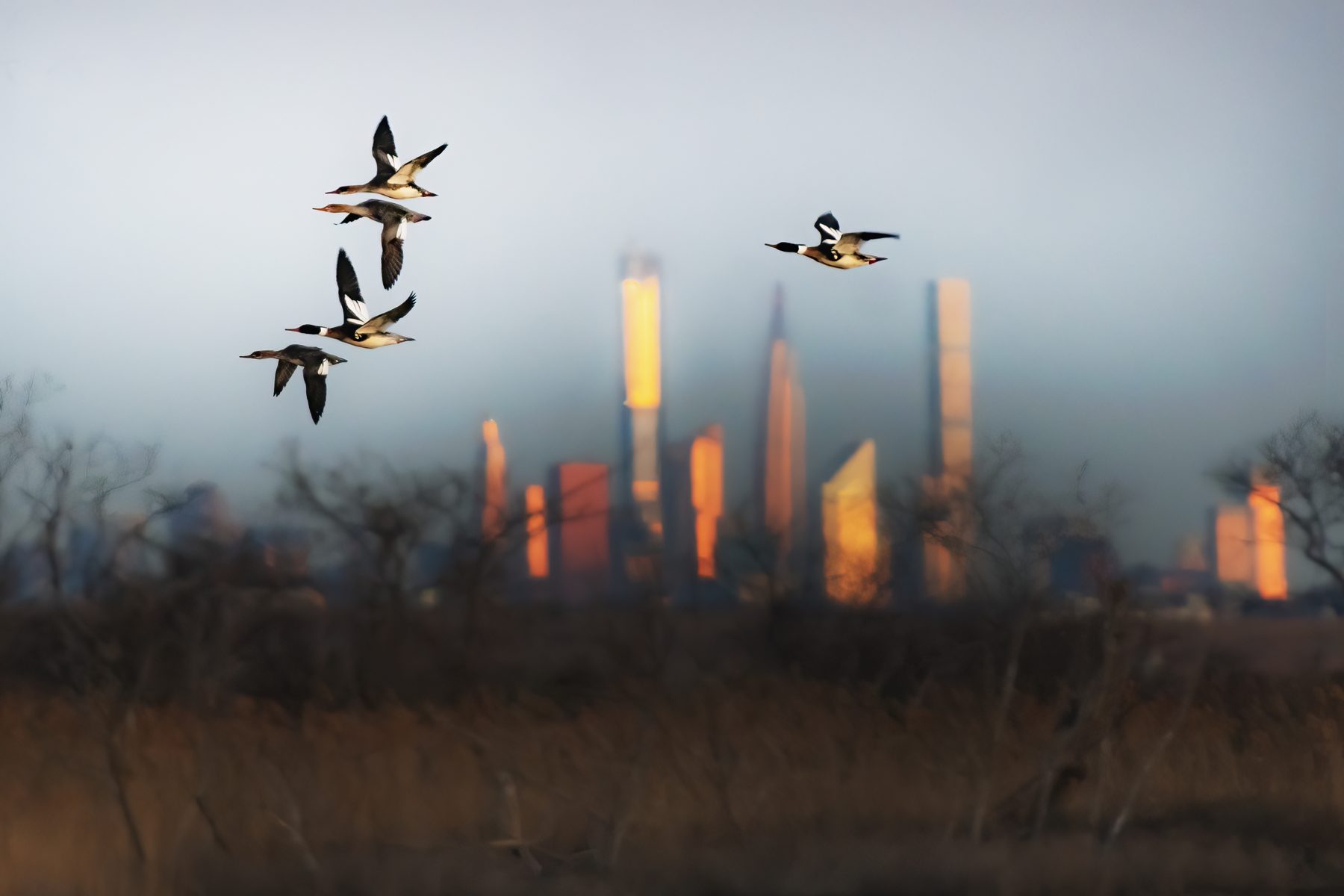
Red-breasted Merganser

11 / 20

Red-breasted Merganser

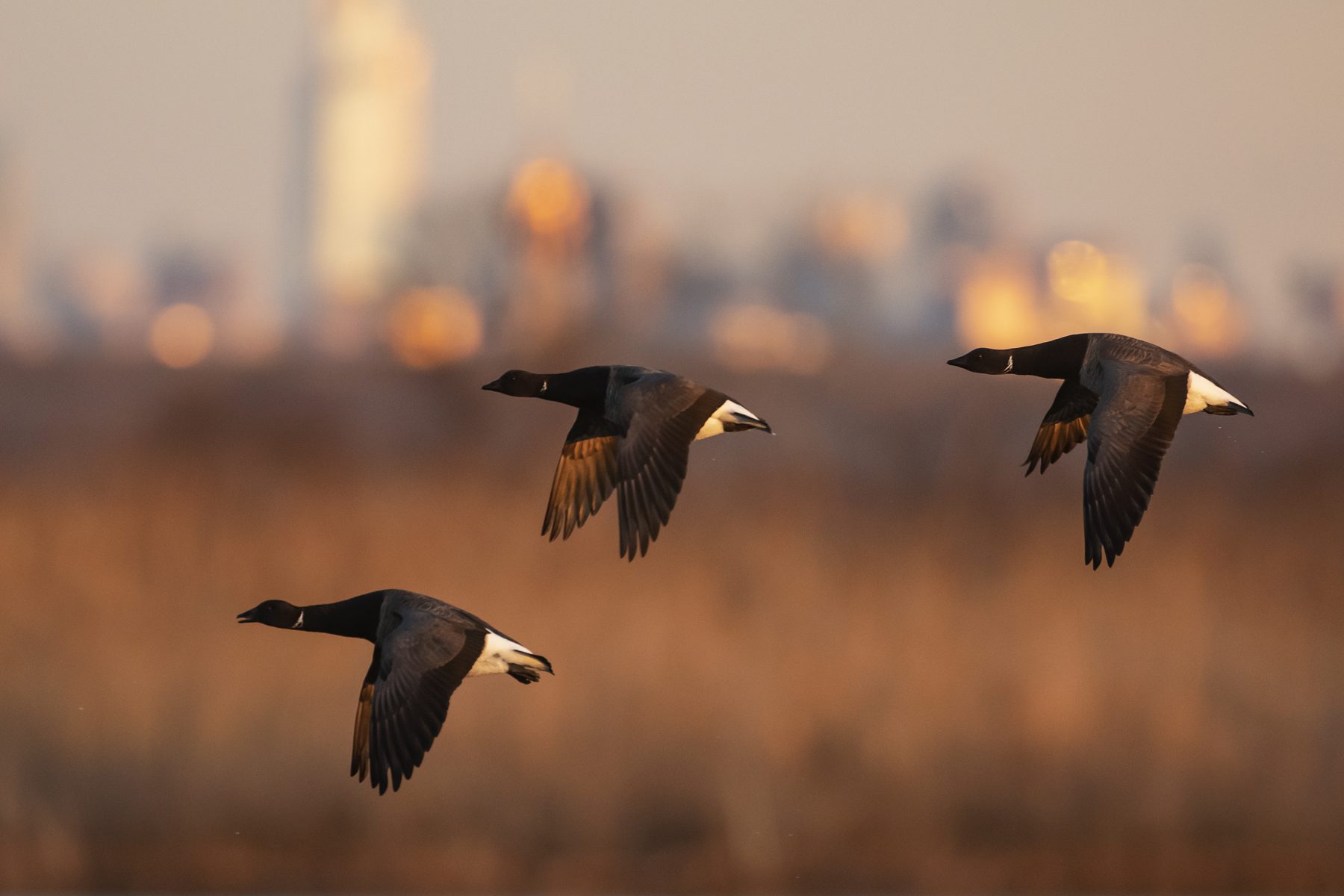
Atlantic Brant

12 / 20

Atlantic Brant

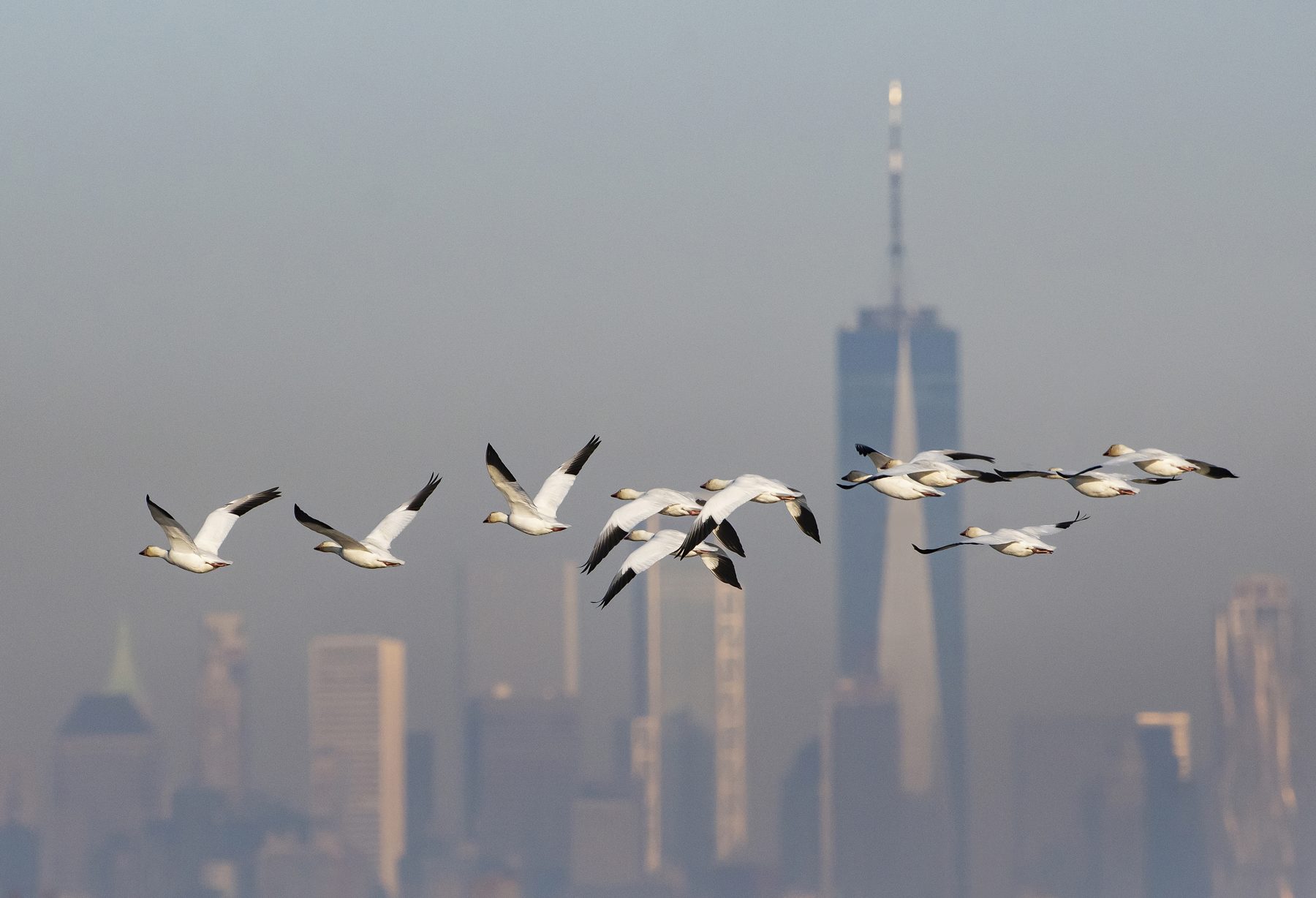
Snow Goose

13 / 20

Snow Goose

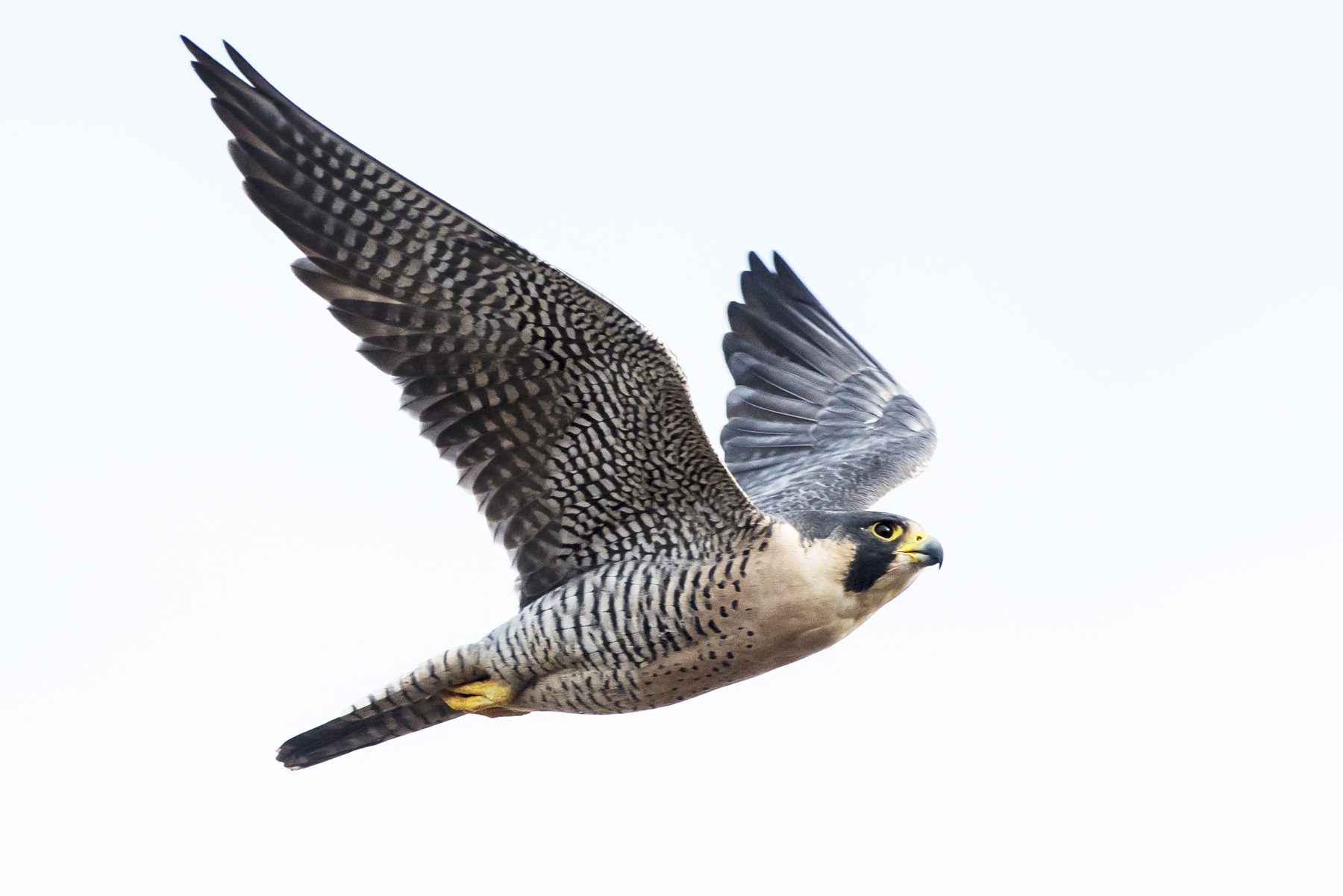
Peregrine Falcon

14 / 20

Peregrine Falcon

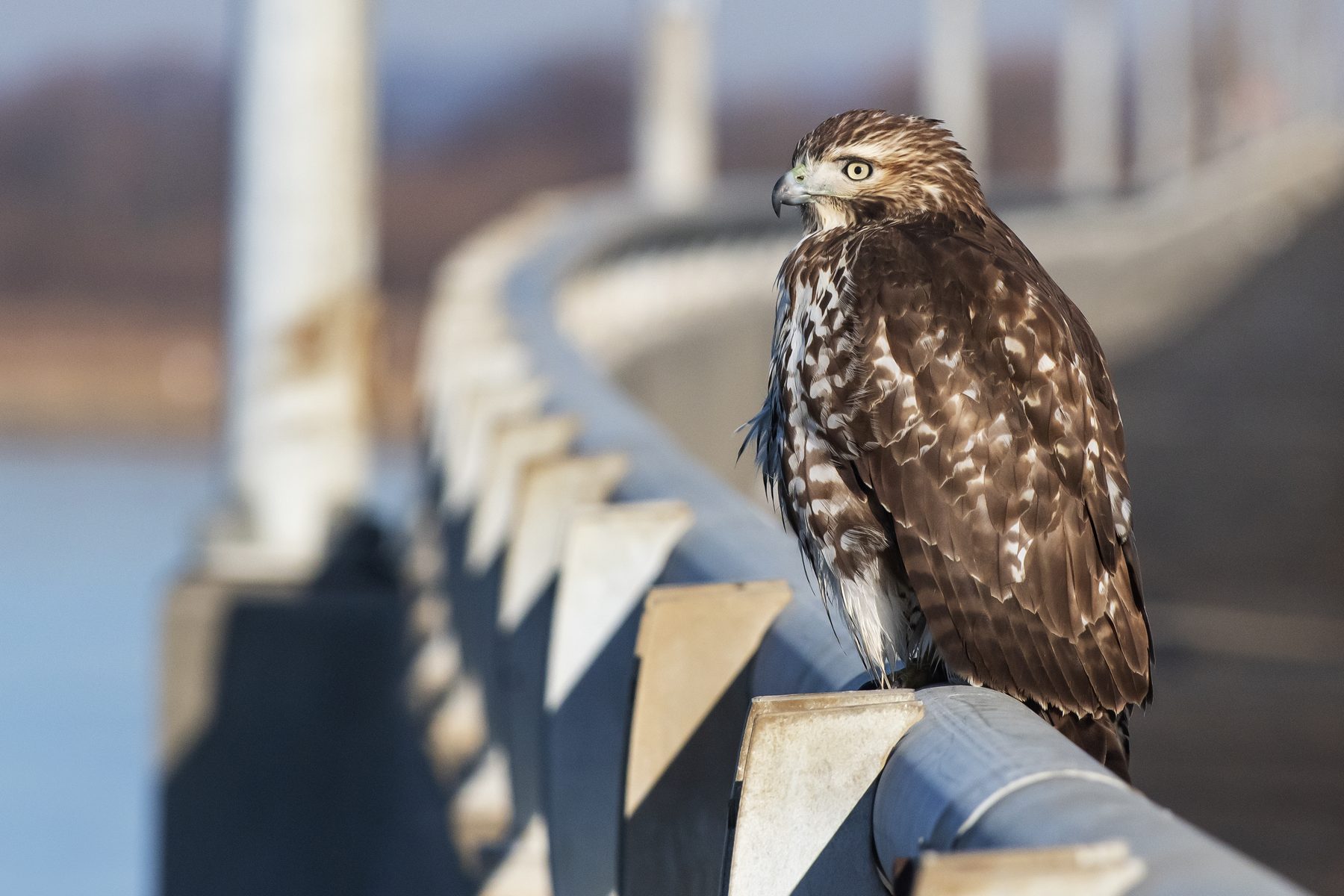
Red-tailed Hawk

15 / 20

Red-tailed Hawk

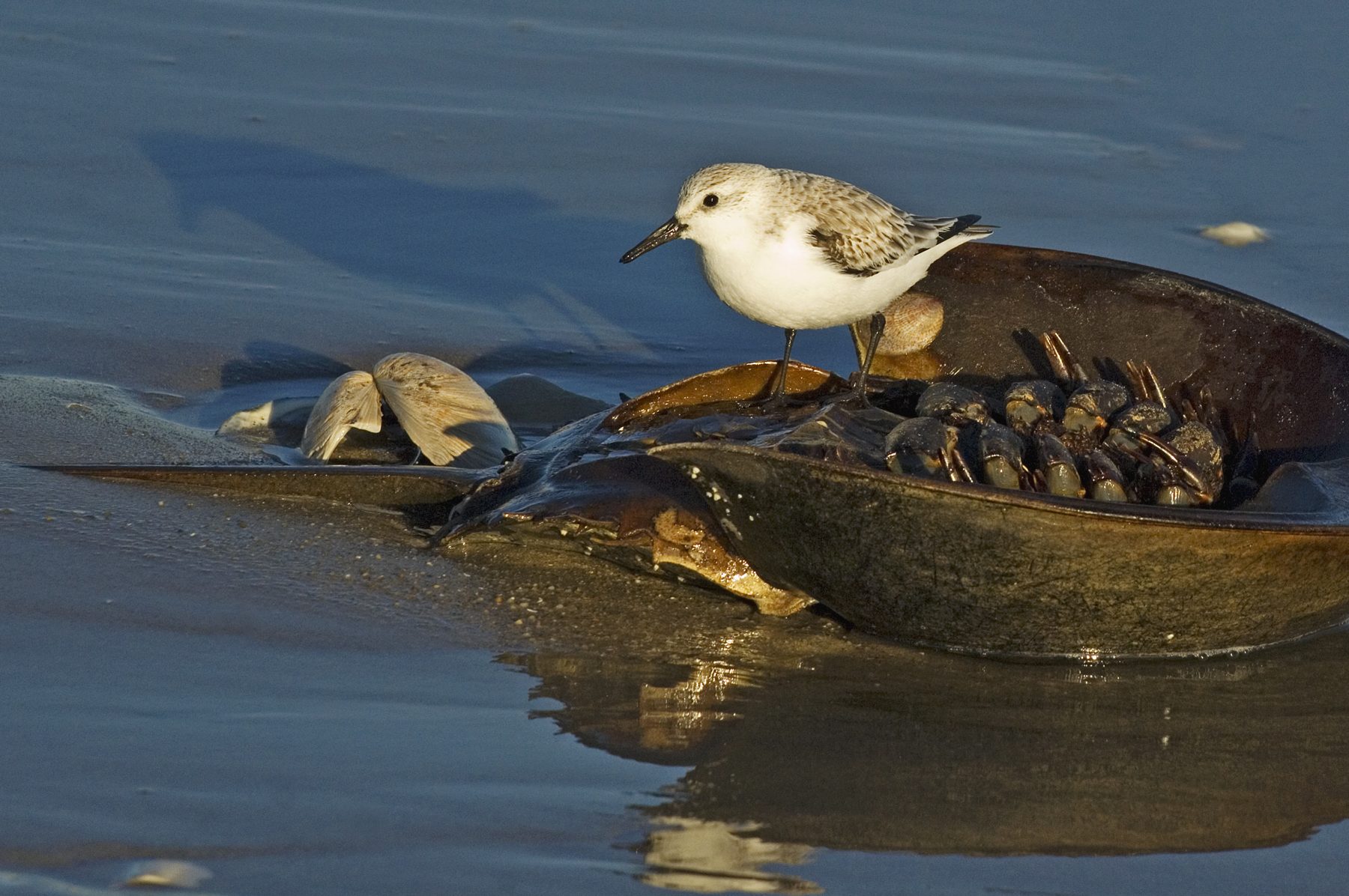
Sanderling

16 / 20

Sanderling

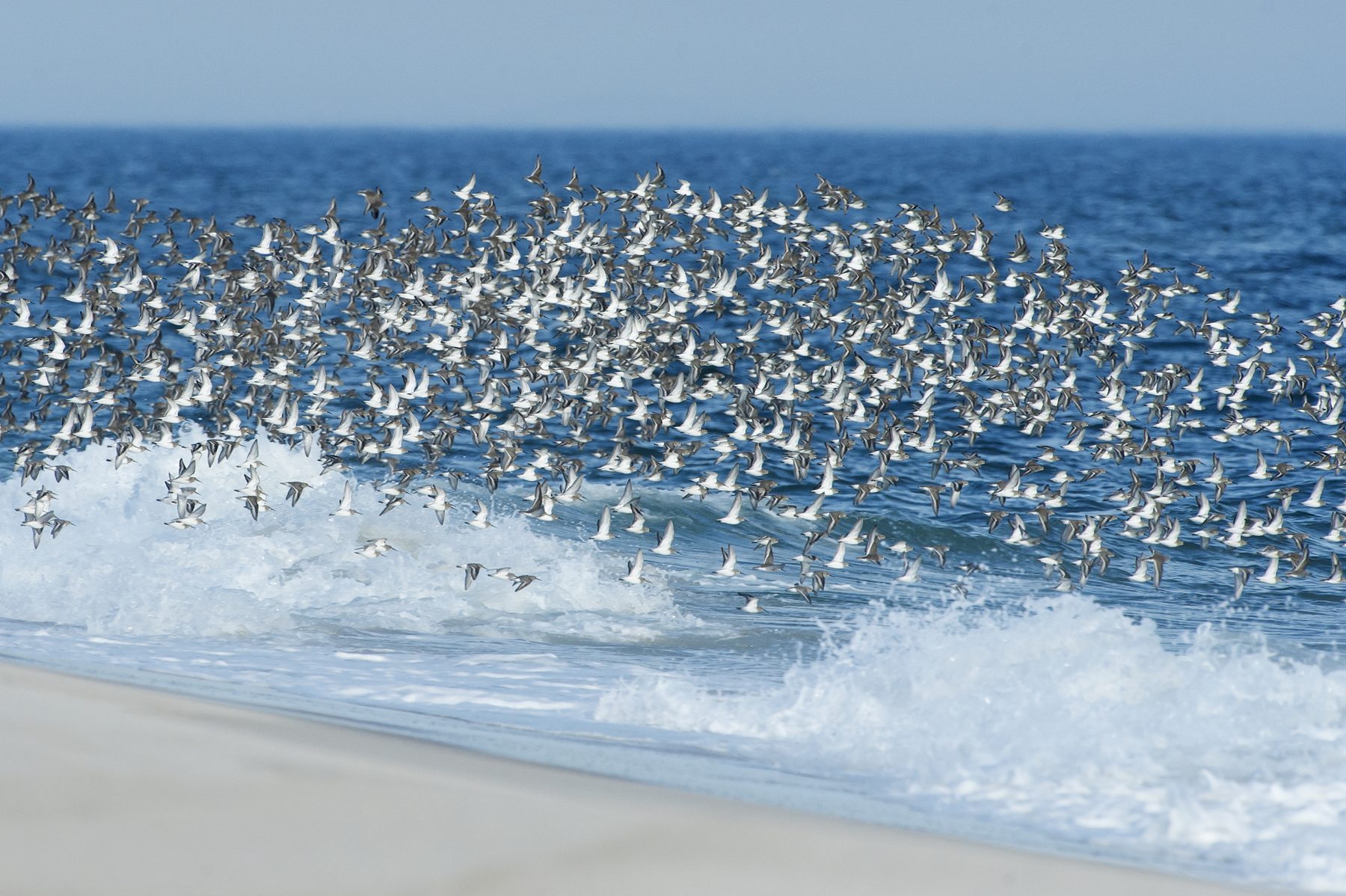
Dunlin

17 / 20

Dunlin

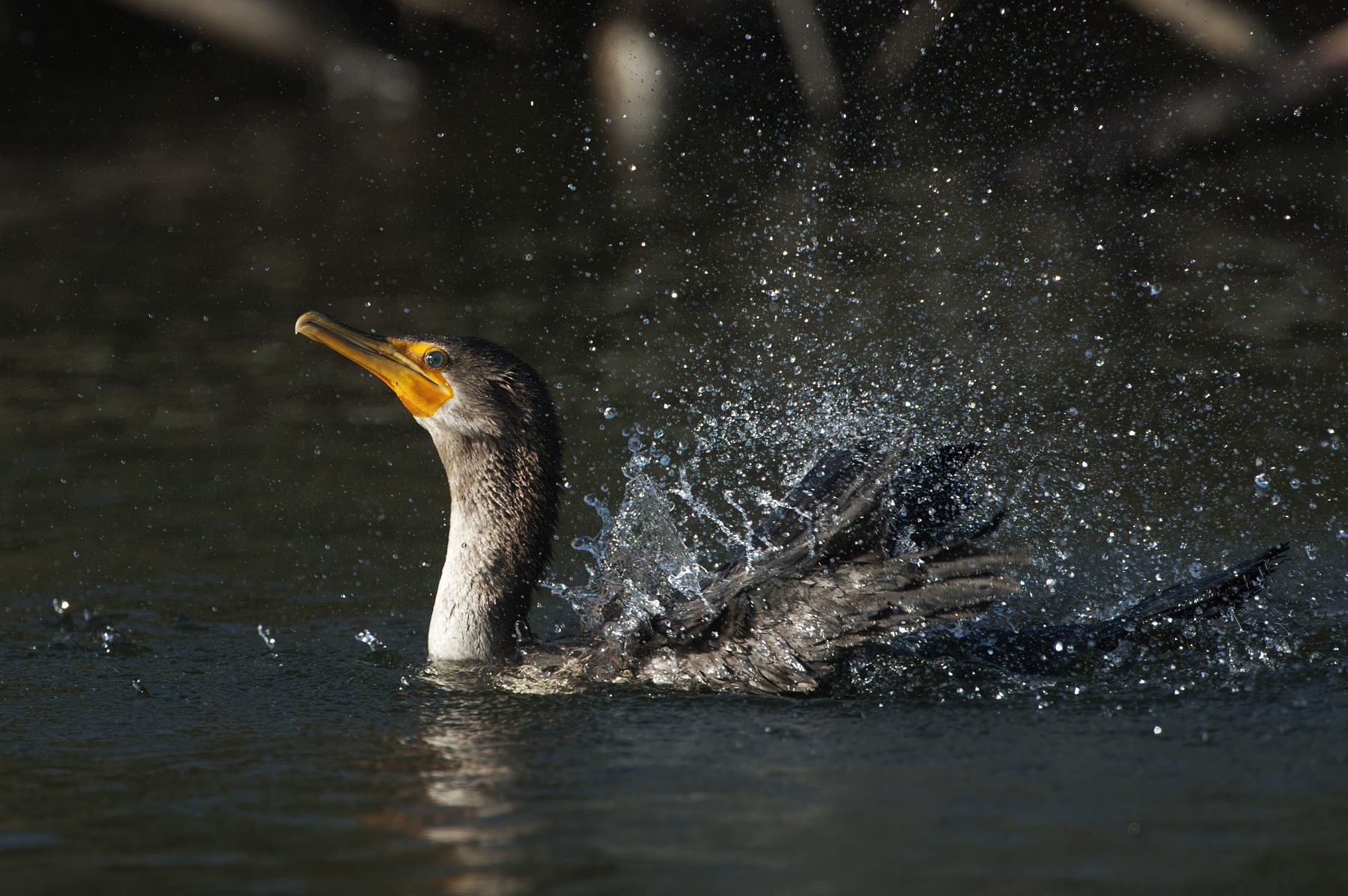
Double-crested Cormorant

18 / 20

Double-crested Cormorant

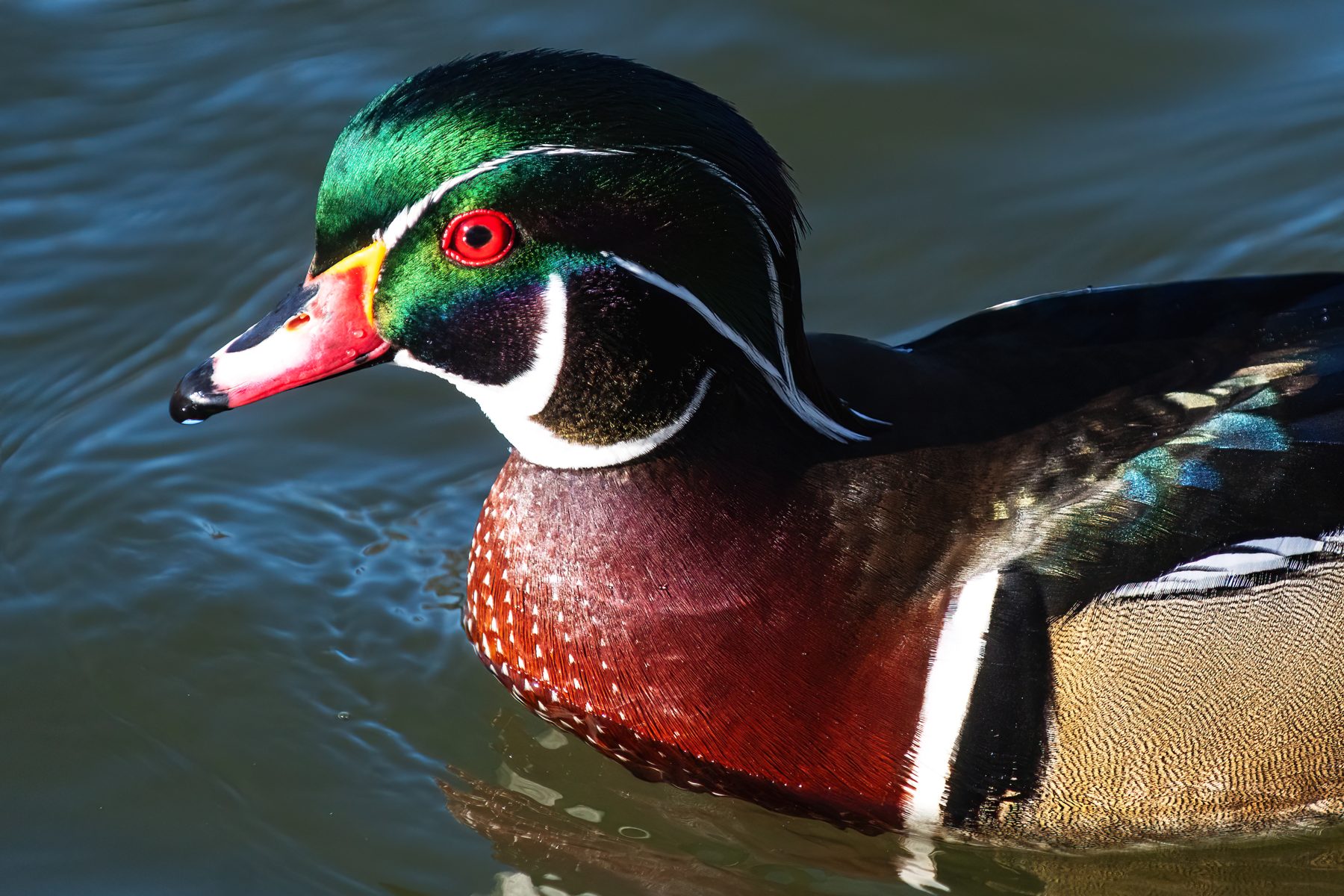
Wood Duck

19 / 20

Wood Duck

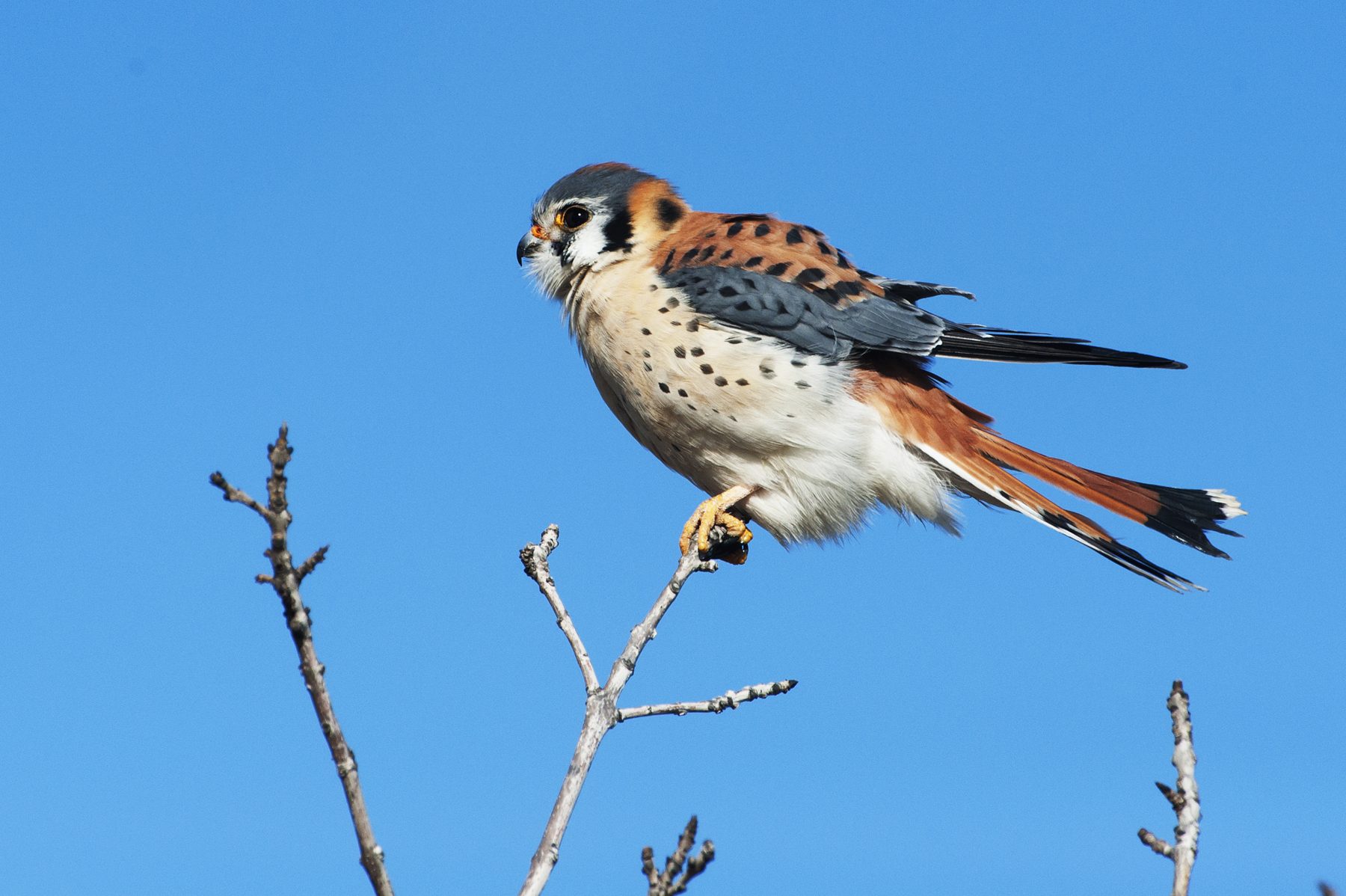
American Kestrel

20 / 20

American Kestrel

A Harbor
coming back
to life

For years, we’ve been working to bring life back to New York Harbor. Now, we’re beginning to see what happens when nature is given the chance to return. Here’s what we discovered this year.

0

Individual humpback whale documented in New York Harbor, July 2026, with Gotham Whale (tracking began in 2012)

0

Bird species identified with American Bird Conservancy

0

Trap deployments across eight sites

0

Animals logged using the New York Harbor

0

Unique marine species logged this year

0

Of the world’s biggest cities are built on estuaries

6 years

After our first large restoration effort at Soundview Park, we are seeing wild oyster recruitment.

Back
to the
reef

04 · Restoration

Large-scale restoration is what we do.

We’re working to bring a functionally extinct species back and that requires a powerful team, a lot of will, innovation and science.

Our process from shell to reef

How large-scale restoration happens

01

It starts with a shell.

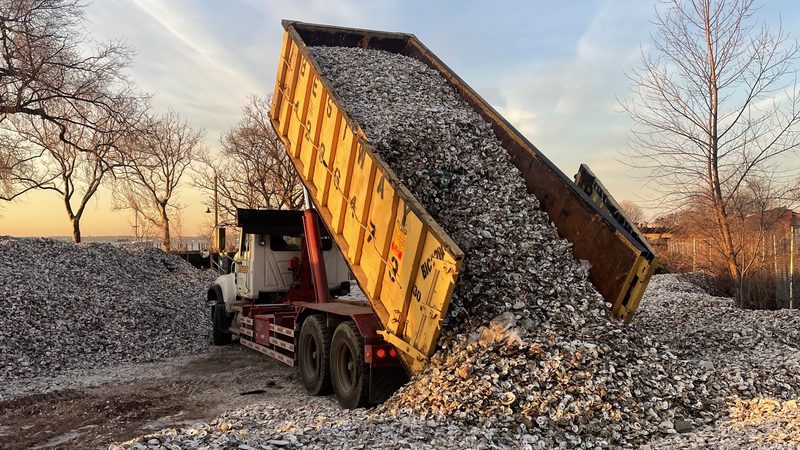
We collect discarded oyster shells from more than 75 New York City restaurants, giving them a second life instead of sending them to landfill. On Governors Island, the shells cure for months before becoming the foundation for new reefs. With more than 3.35 million pounds recycled to date, yesterday’s dinner is helping build tomorrow’s Harbor.

02

Every reef starts with a plan.

Before putting oysters in the water, we study potential sites, survey existing marine life, and work with local communities. Our scientists and restoration team use that information to design reefs suited to each location and secure the necessary permits.

03

We build the foundations for life.

Using recycled shells and specially designed reef structures, we create places where oysters can attach, grow, and find shelter. At our Governors Island facility, millions of oyster larvae settle onto these surfaces, becoming tiny young oysters called spat. Students and volunteers help prepare materials along the way.

04

We put oysters back in the Harbor.

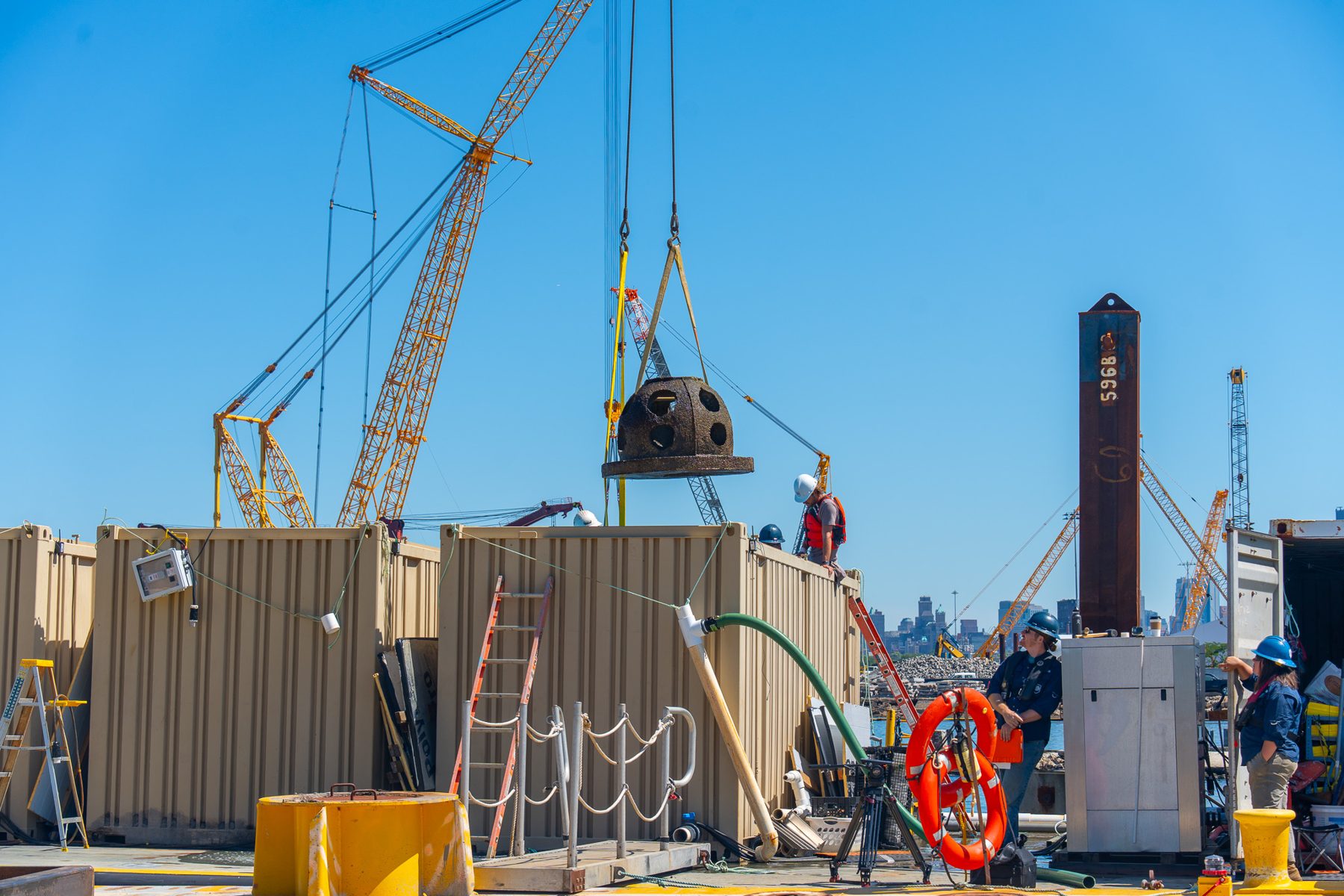
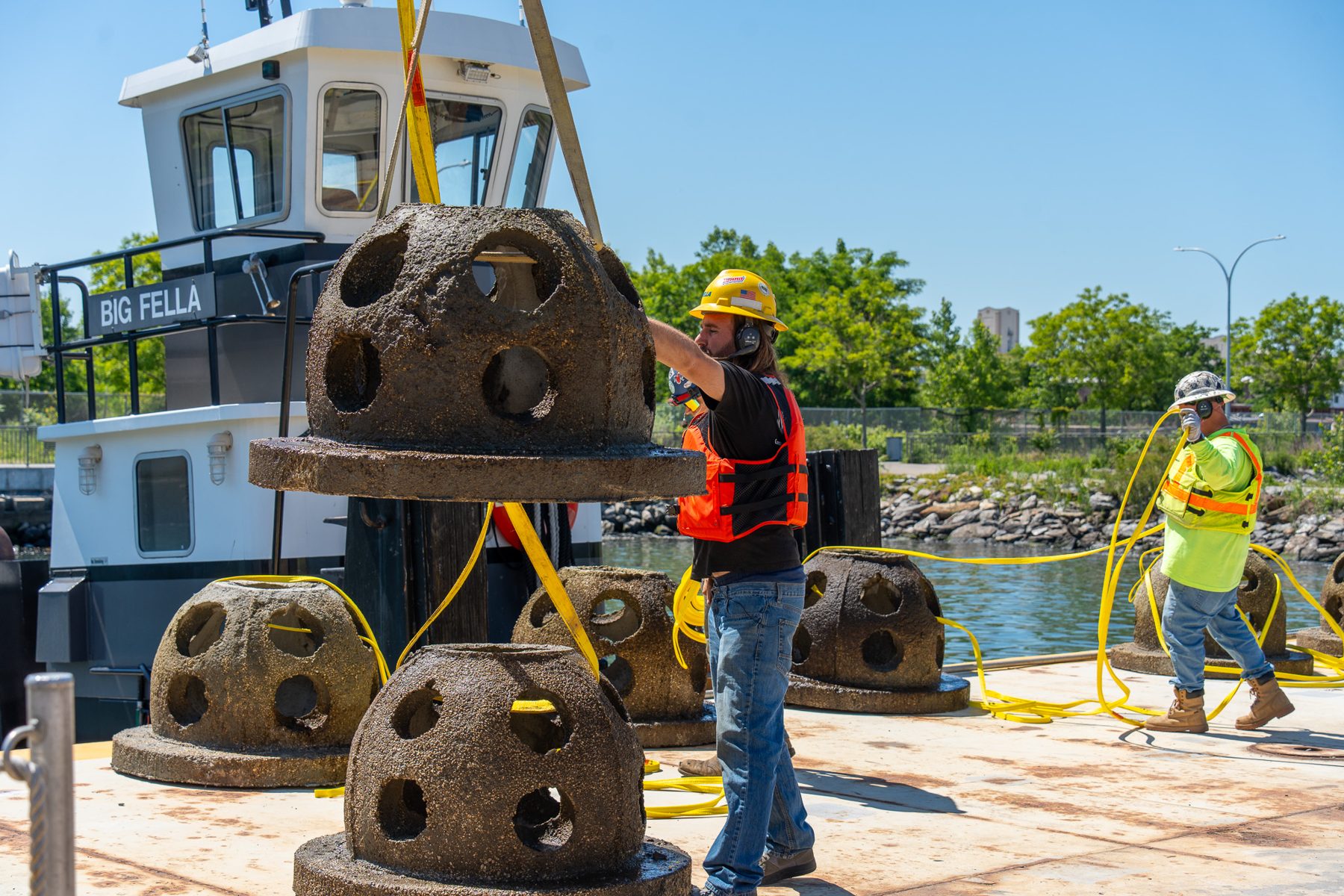
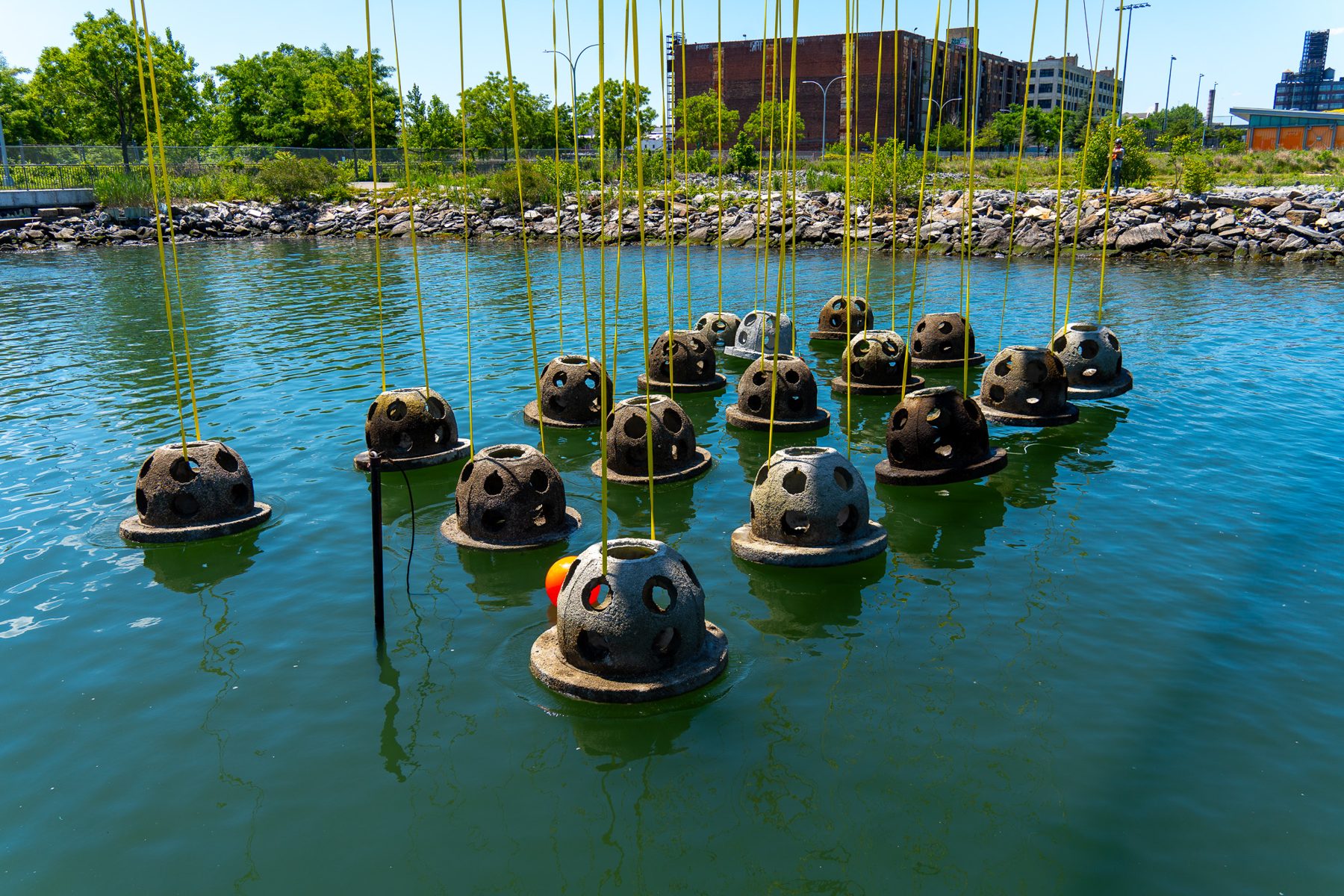
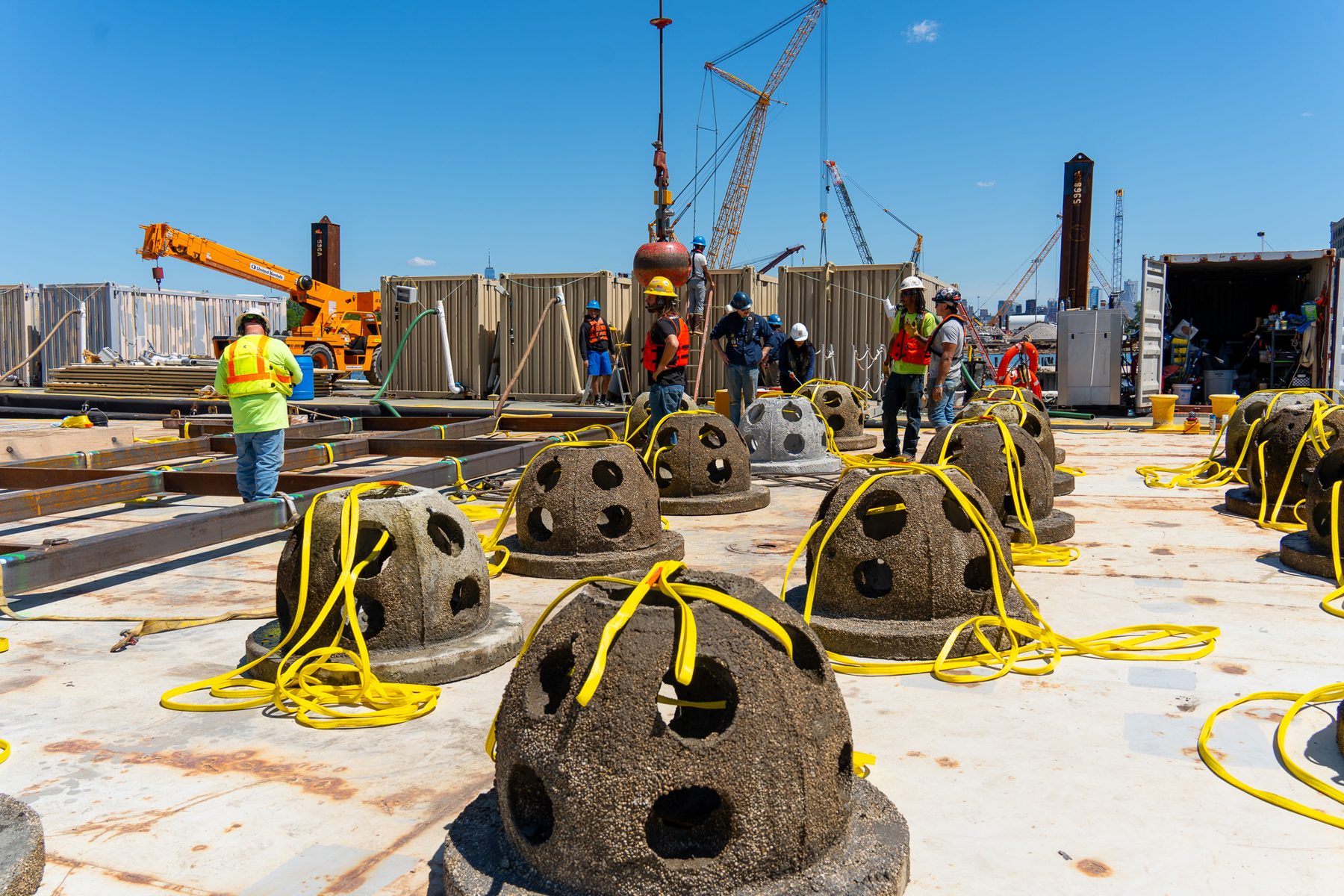
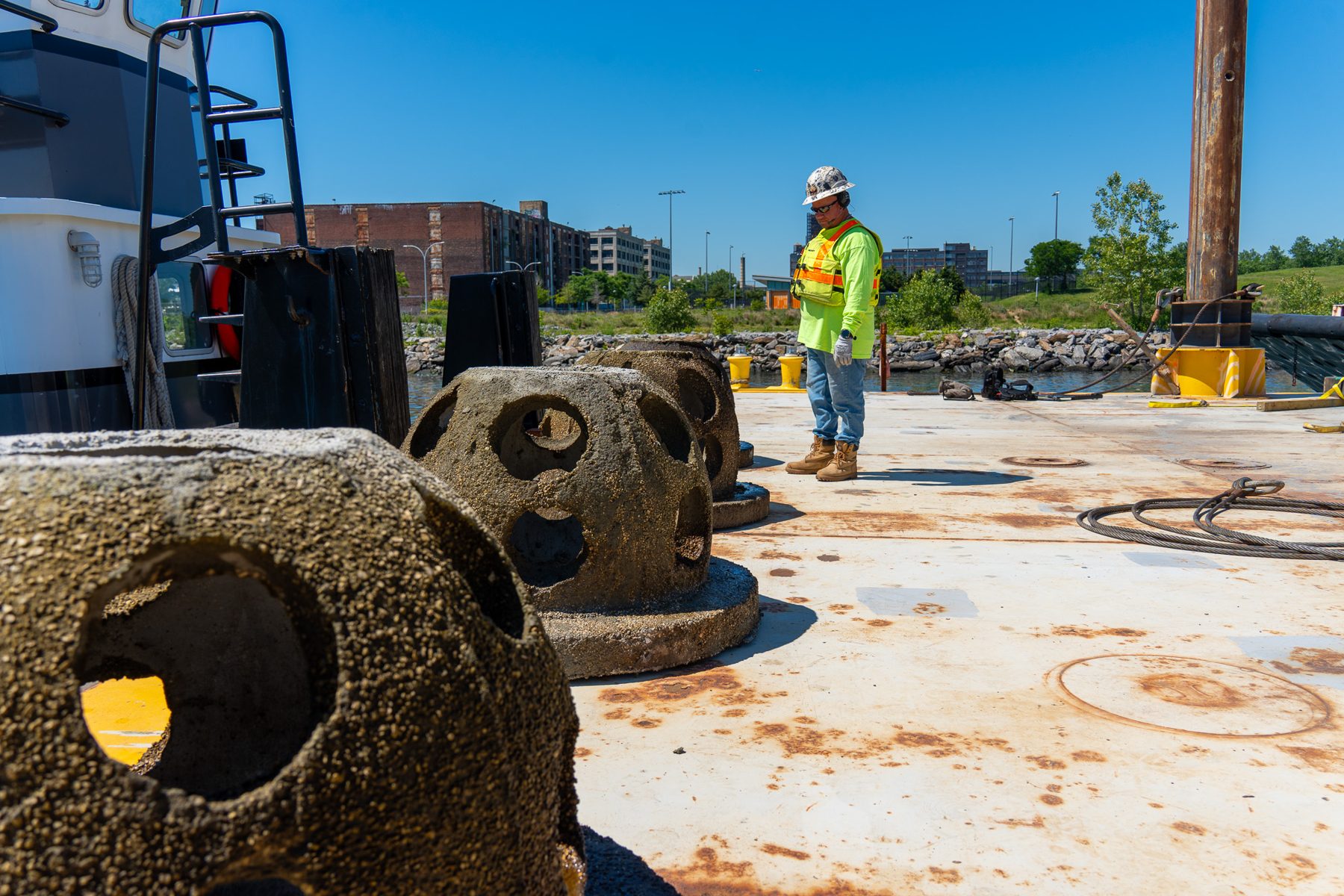
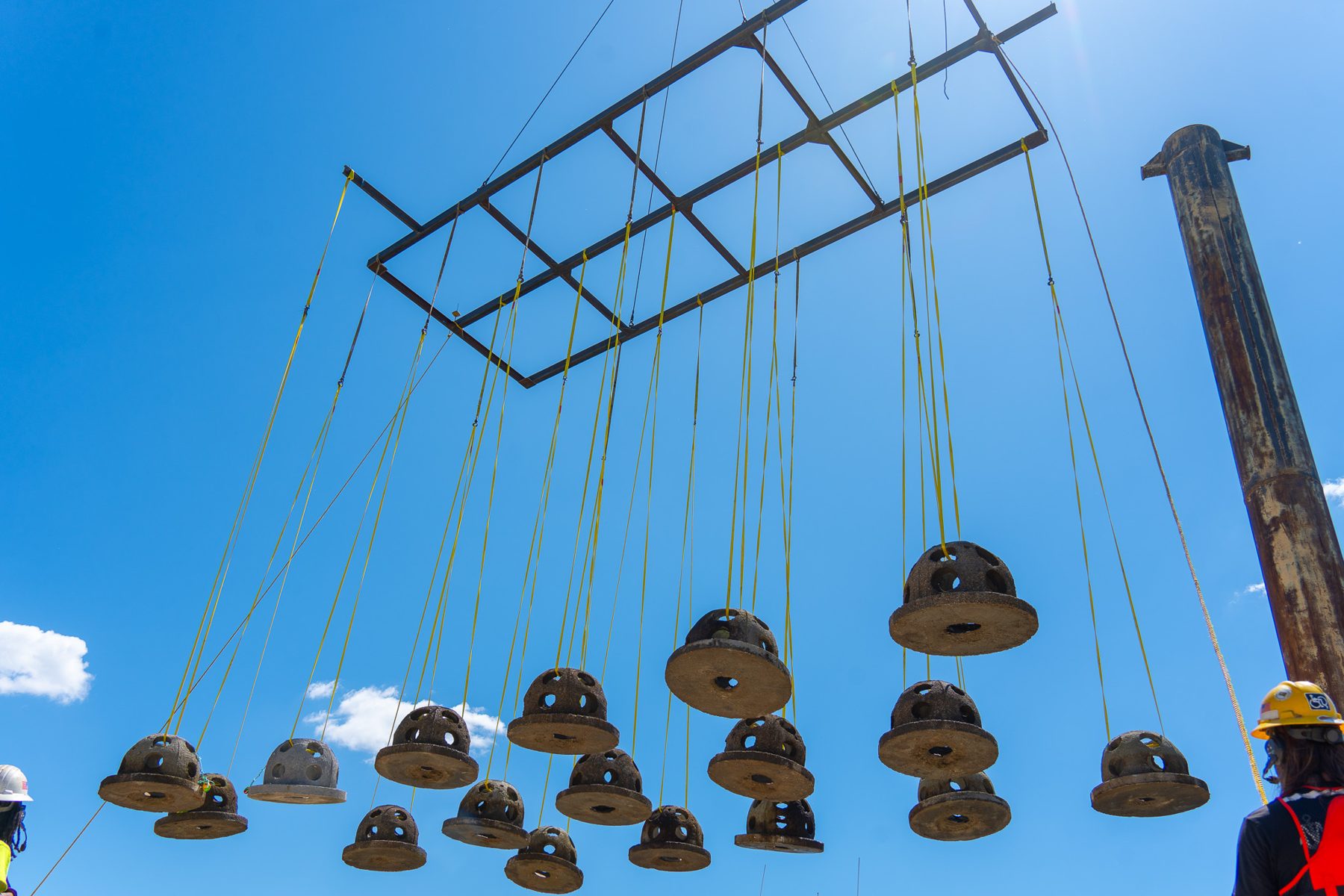
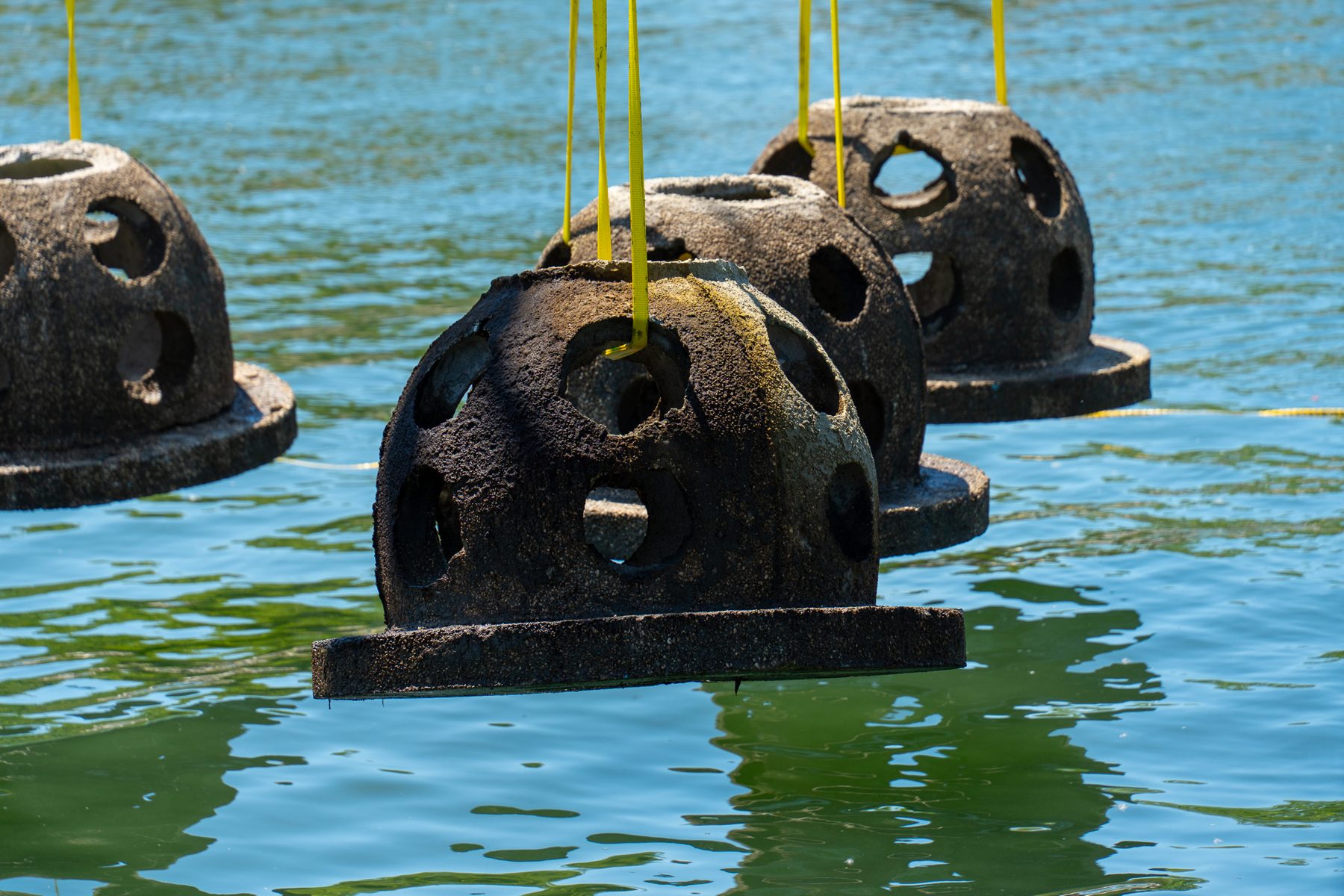
Once the oysters are ready, we transport the seeded structures by barge to restoration sites across New York Harbor. Cranes lower them into the water, and divers help guide their placement on the seafloor. This is where a new reef begins.

05

We bring New Yorkers into the process.

Restoration is about more than oysters. We work with schools, volunteers, waterfront communities, and local partners to share what we’re learning, invite participation, and give New Yorkers a role in shaping the future of their Harbor.

06

We keep learning, growing, and scaling.

Our work doesn’t end when a reef is installed. We return to monitor oyster growth, survival, reproduction, and the marine life using the habitat. We’ve learned that oysters can grow and reproduce in New York Harbor, but small reefs aren’t yet self-sustaining. That’s why we’re working toward restoring one billion oysters by 2030: building larger, more connected reefs with the potential to sustain themselves over time.

  1. Billion Oyster Project

    2026 Restoration Wrapped

    What large-scale restoration looks like in review

  2. Our highlights

    1. ●Head of Bay15 million oysters added in 2025, about 13.8 million now living across four reefs in Jamaica Bay
    2. ●SoundviewWild oysters settling on reefs we never seeded, 6 years after our first large restoration
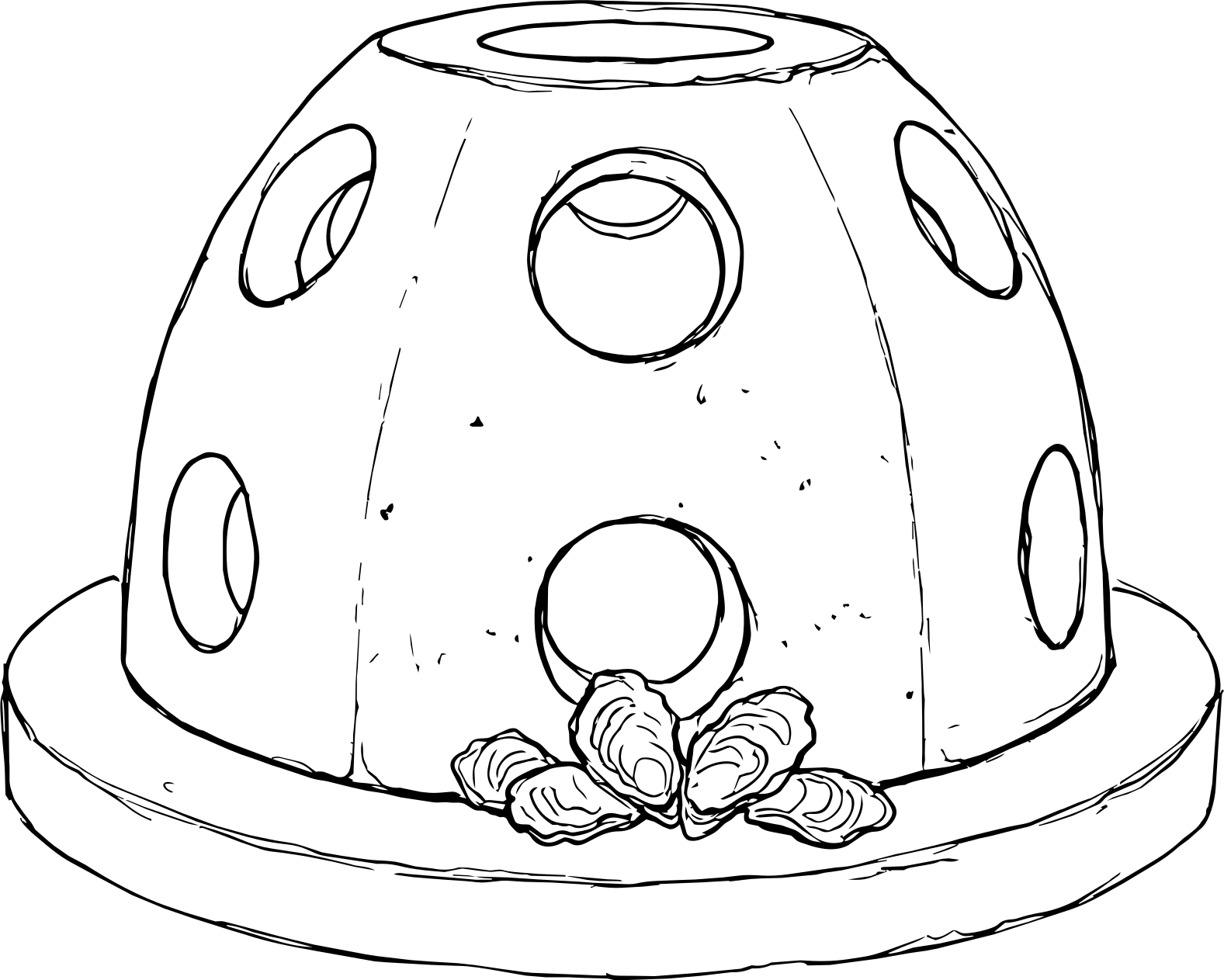
    3. ●Bush Terminal Park120 seeded bay balls and 90 cubic yards of shell deployed to create new reef habitat
  3. Average shell height

    147

    mm at Head of Bay

  4. First Harbor-wide baseline for reef life

    4,000+

    animals counted

    580+ trap deployments

  5. Living in the reef

    66

    species logged this year

    70 logged all time

  6. Milestone

    Living Break­waters complete

    SCAPE / Econcrete

  7. Who built it with us

    1. ●Cornell University and Norwich UniversityMapping how larvae connect our reefs
    2. ●Anemo RoboticsUnderwater cameras on the reefs
    3. ●American Bird Conservancy and NYC Bird Alliance130+ bird species tracked
    4. ●VycarbOysters and carbon removal
    5. ●Gabrielle Corradino, National Geographic ExplorerThe first look at what oysters eat
  8. Outcomes & wins: Soundview, the Bronx

    5–9 million

    oysters living on the reef

    5 acres of reef restored

    94 mm average shell height

    Adult oyster densities on the structures are above the target we hoped to see by this point in the restoration

    Wild oysters settling on reef balls we never seeded: 31 new recruits across 9 unseeded balls within 9 months

  9. Our next goal is…

    1. ●Investigate and designnew sites with high potential for connectivity and oyster population development
    2. ●Activatea new remote setting barge
    3. ●Build towardintroducing hundreds of millions of juvenile oysters per year

Tap through 1 / 9

Our support, taking shape beneath the surface

Every Reef Ball tag holder has a direct connection to the restoration of New York Harbor. As reef structures are lifted from the barge and carefully lowered to the Harbor floor, each one becomes part of something bigger. Our growing network of habitat for oysters and marine life is something you can be a part of.
1 / 8

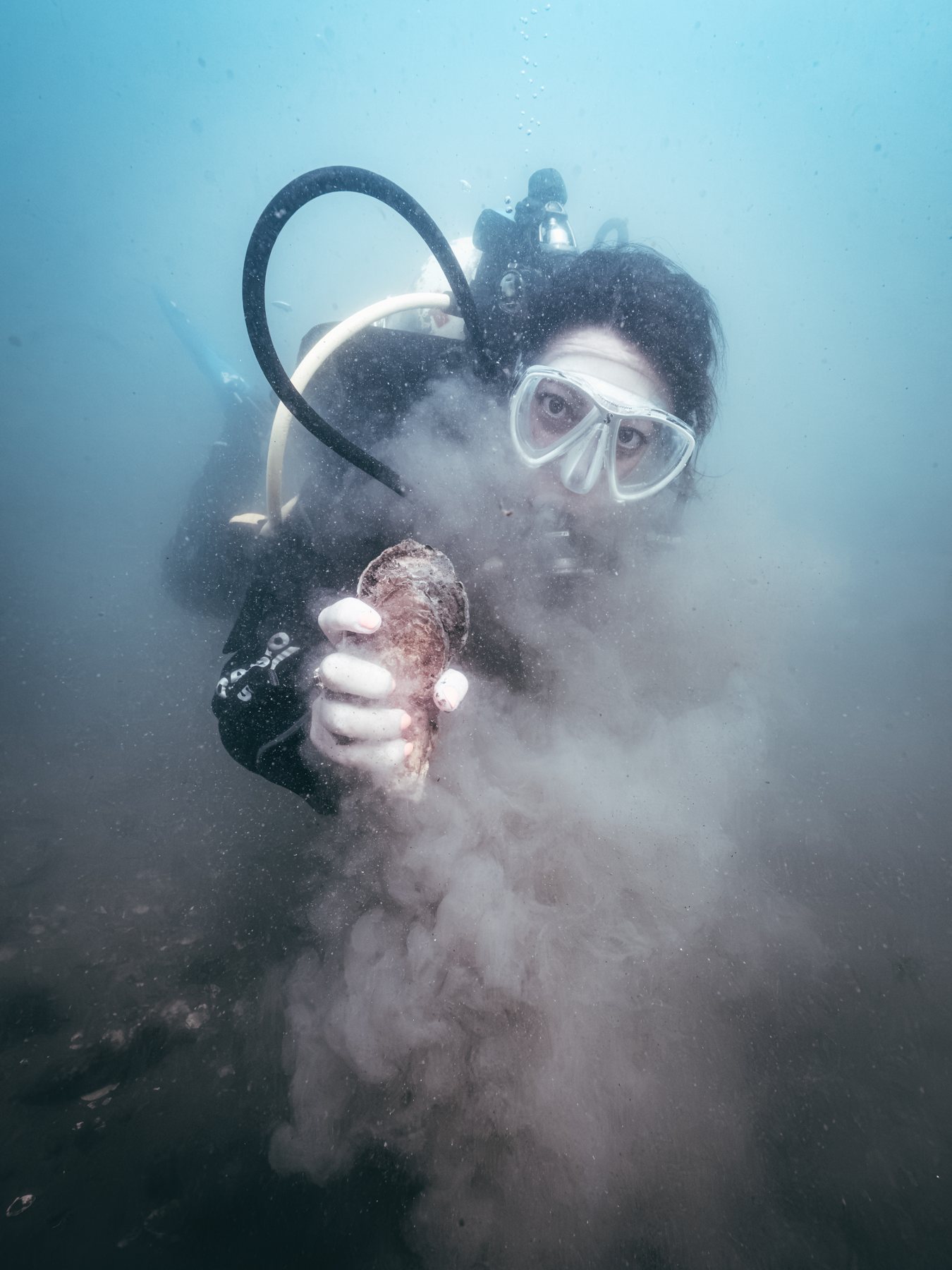
A Billion Oyster Project diver underwater at Soundview Park, holding up an oyster
Soundview Park, the Bronx

Six years at Soundview

In 2020 we began our first large restoration at the mouth of the Bronx River, building on decades of earlier oyster restoration efforts at the site. Today the oysters are growing, spawning, and settling on the reef on their own.

Click through the Soundview story

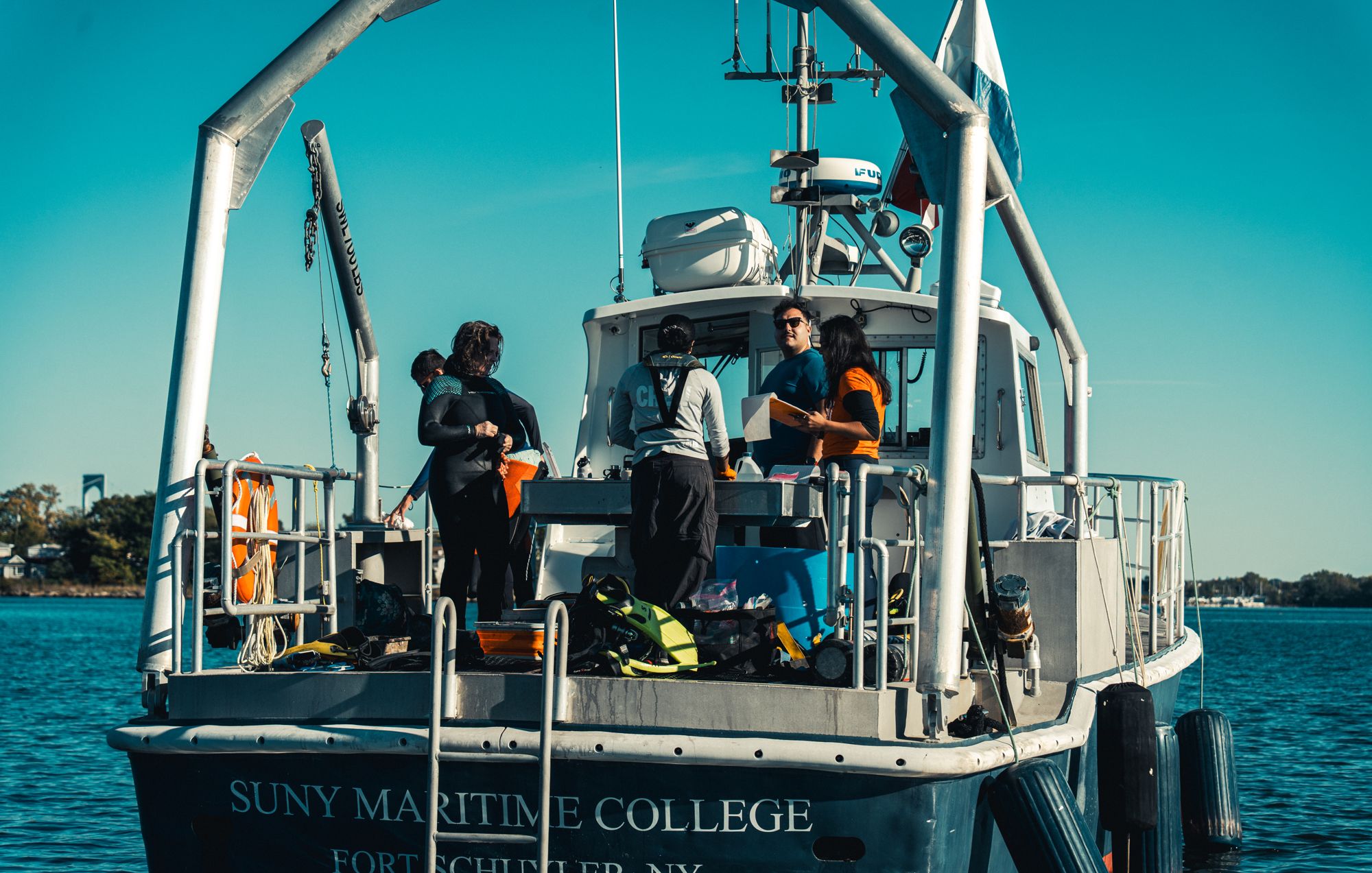
The SUNY Maritime research vessel with the crew on deck

2020

We start big

A five-acre project goes in at the mouth of the Bronx River: shell mound reefs, gabions and community cabinets, seeded with 12 million spat-on-shell alongside our project partners.

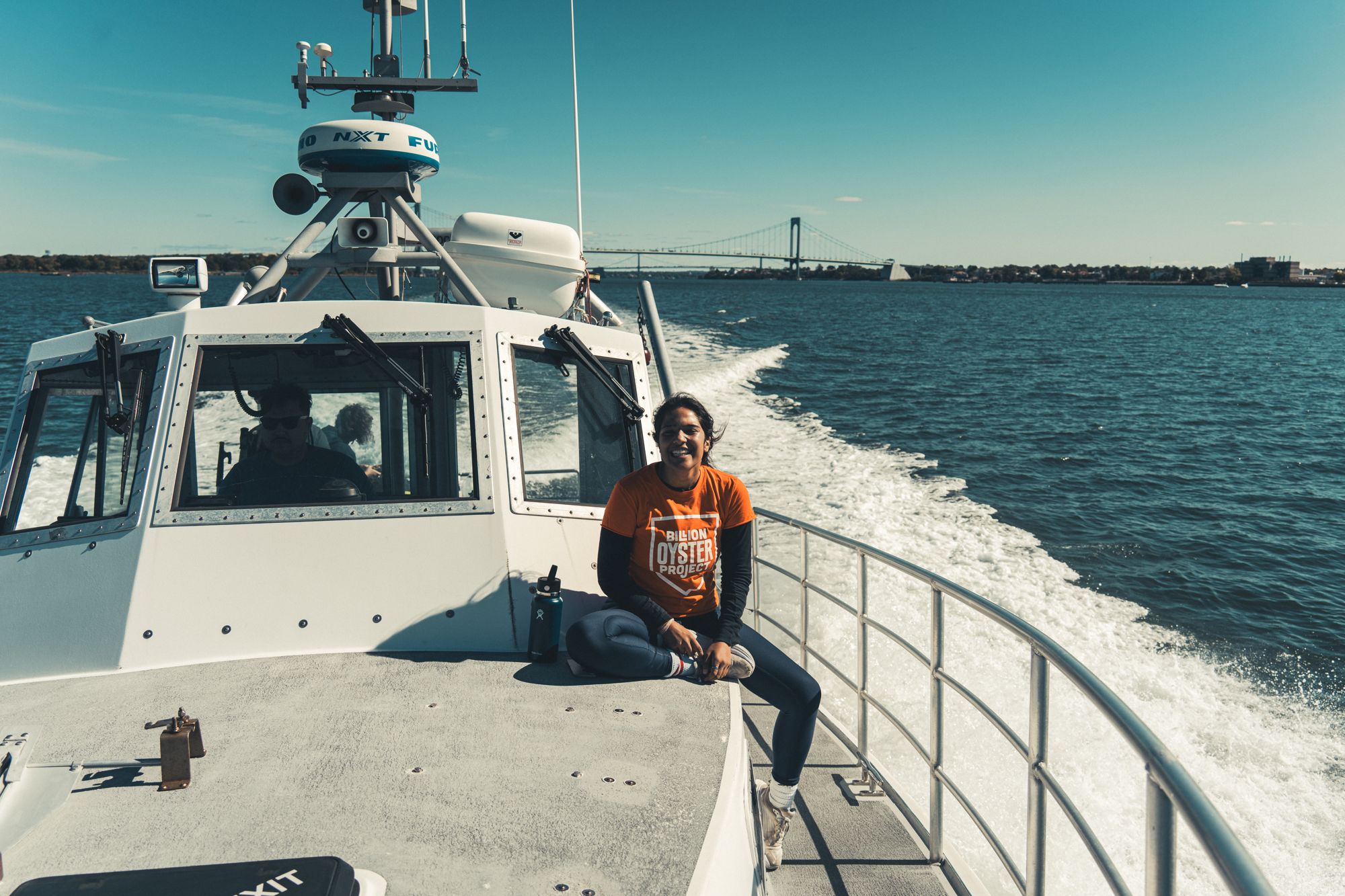
A crew member on the boat crossing the water

2021–22

We build it out

More than 10 million more spat-on-shell join nine shell reefs and 181 gabions. Students weld, dive and monitor, and local community groups pitch in.

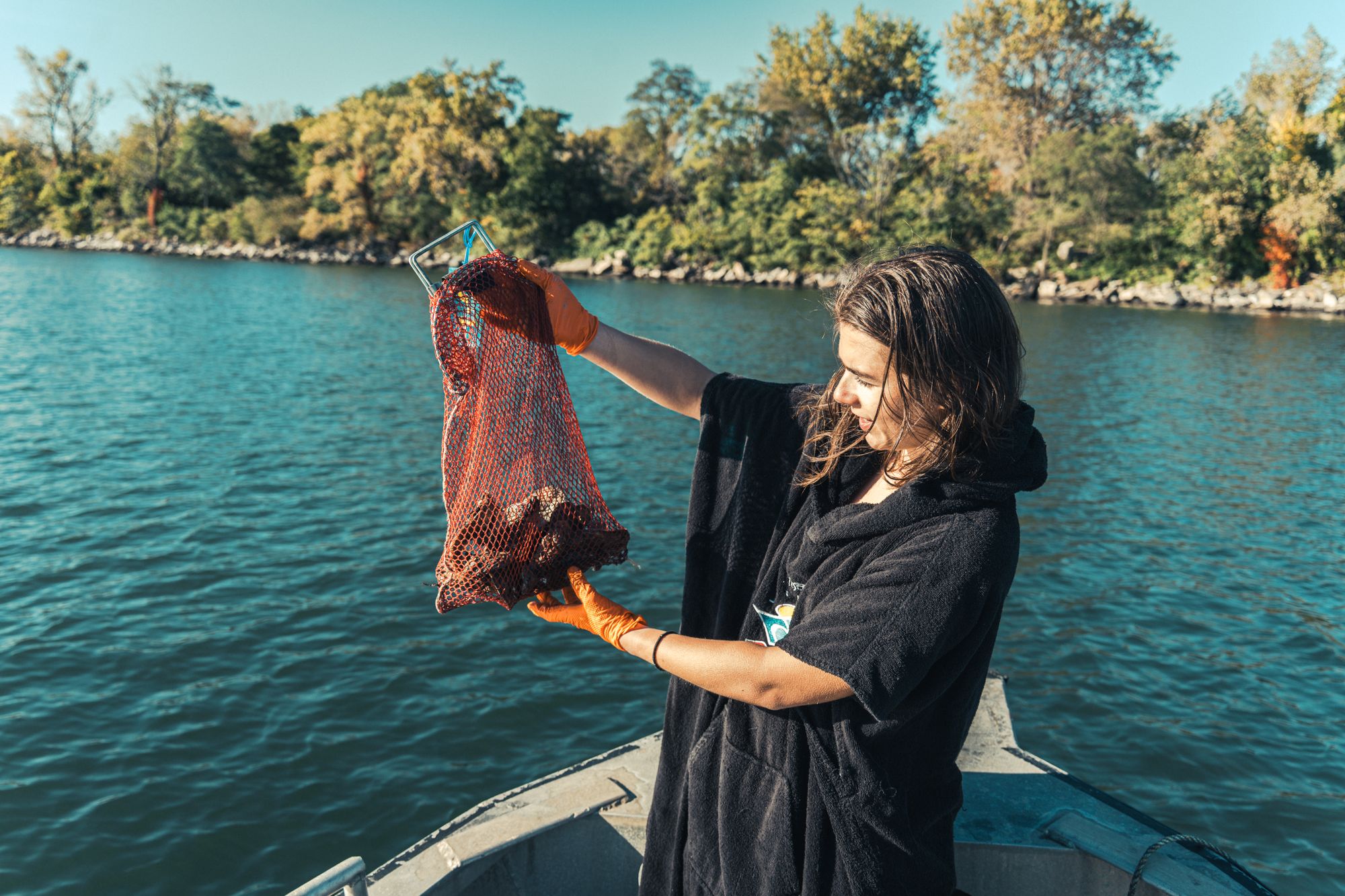
A crew member lifting a mesh bag of oysters over the water

2024

Bay ball era

240 bay balls replace the gabions in an adaptive management effort to address the gabions’ structural degradation.

240 bay balls, 80 of them seeded with 8.9 million oysters, arrive onsite. A tenth shell reef goes in too.

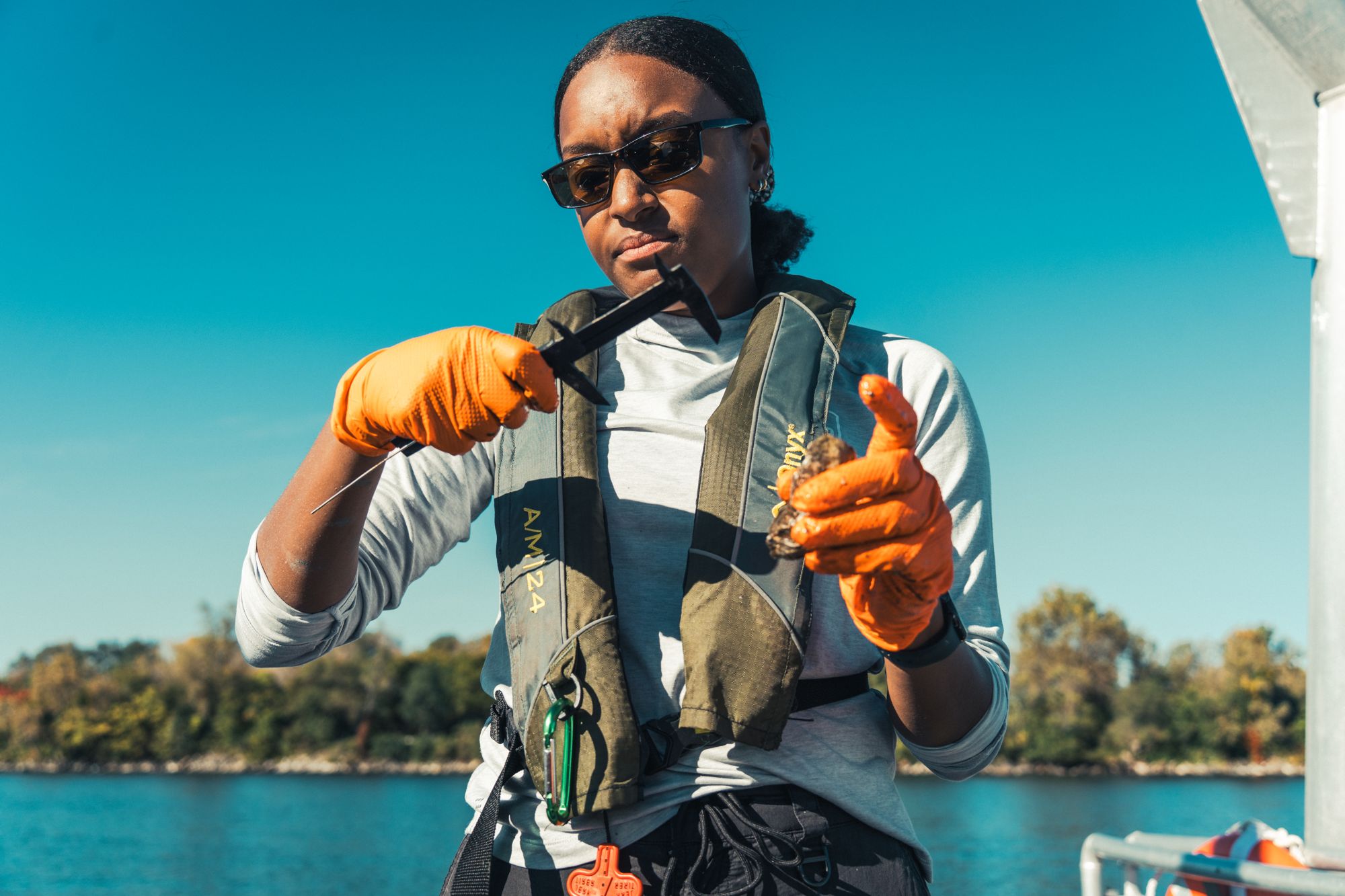
A crew member measuring an oyster with calipers

Spring 2025

Oysters take hold

Seeded bay balls show just 7.6% mortality and a dense cover of living oysters. Wild oysters are already settling on balls we never seeded.

52 mmreached by those wild-set oysters in 9 months

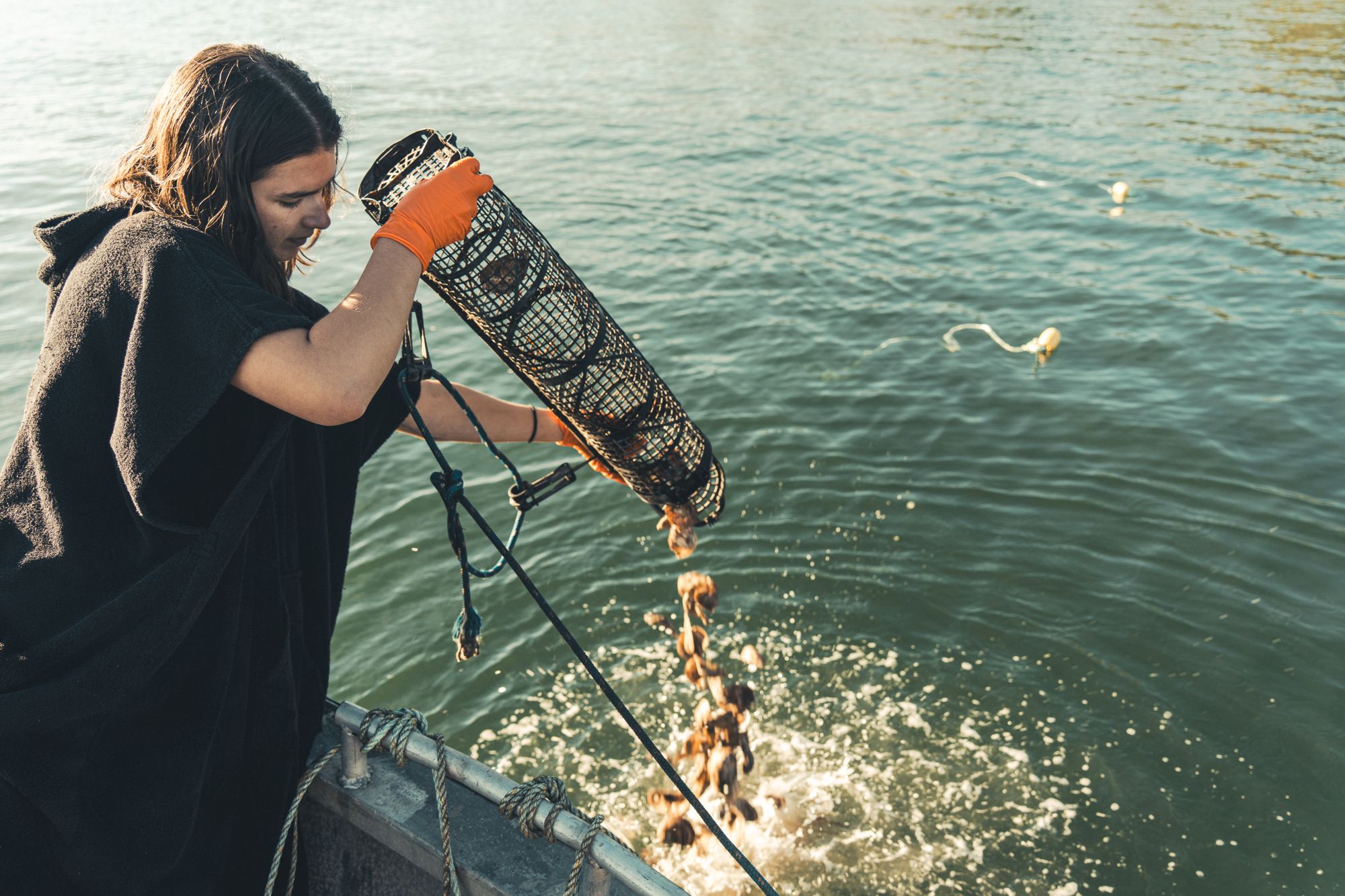
A crew member lifting an oyster cage out of the water

Fall 2025

Growing fast

Divers find the wild-set oysters at a mean of 80 mm after 14 months, 28 mm more than in spring.

80 mmin 14 months

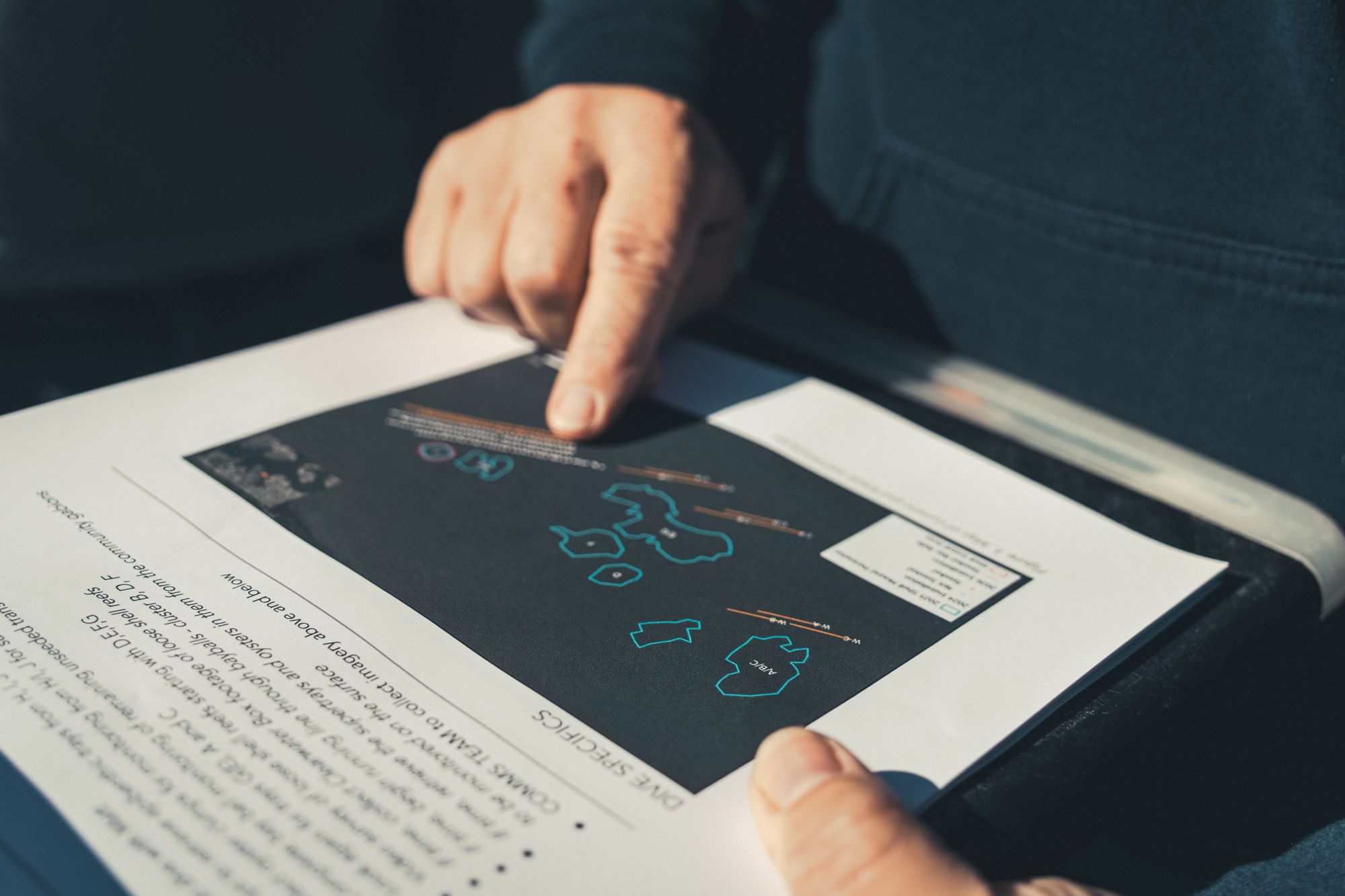
A hand pointing at a map of the reef layout

2026

More bay balls

100 seeded bay balls added to the west side of the reef, and spat-on-shell added to the newest shell mound.

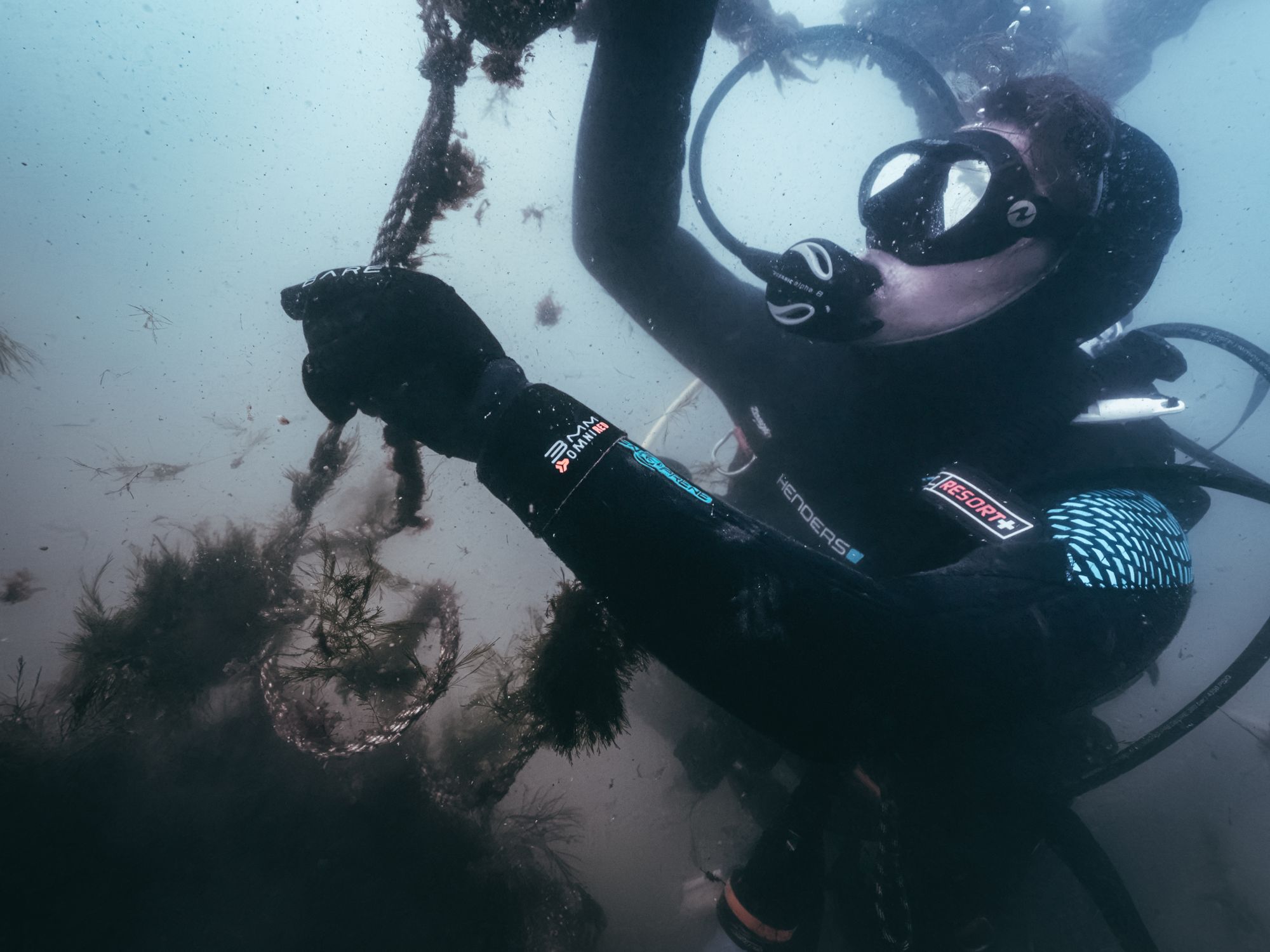
A diver underwater lifting a rope covered in growth

On the shell reefs

Mature, spawning, healthy

Shell height has risen since 2023, disease is low, the oysters are sexually mature and spawning, and a blank shell mound installed in 2024 is already recruiting.

94 mmaverage shell height

1 / 7

Three technologies.
One ecosystem.

Billion Oyster Project is using three complementary, non-invasive monitoring technologies to our reef sites. Pick one to see how it works, what it tells us and what it adds up to.

2027 plans for implementation at Bush Terminal Park

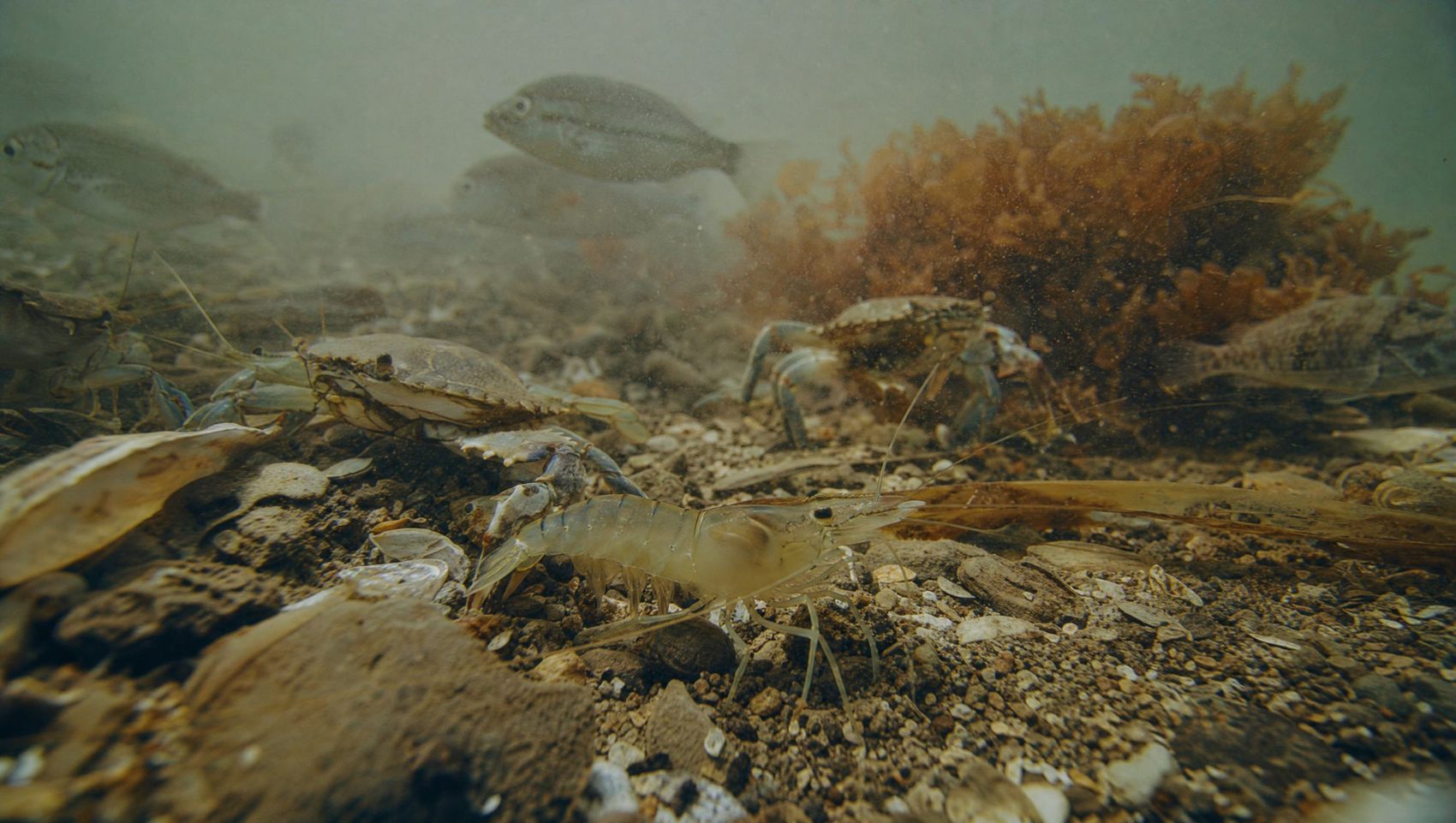
Underwater footage of marine life on a reefResearchers collecting a water sample for eDNAA research boat on the water at sunset with the city skyline behind itMonitoring equipment at the Harbor

1 Underwater video

Anemo Robotics

Underwater cameras capture fish, crabs, shrimp and other marine life using the reef, without disturbing them. AI computer vision identifies species and analyzes thousands of hours of footage.

4underwater cameras
6months in 2027

Who is using the reef, how often, and how reef activity changes through the day and across seasons.

2 Environmental DNA

A more complete picture of biodiversity

Marine species leave traces of DNA in the water around them. eDNA sampling captures those traces, so researchers can find species that cameras, traps and traditional monitoring miss.

Which species are present, and whether biodiversity differs between the restored reef and the habitat around it.

3 Water quality

Blue Sonde

A solar-powered sensor continuously measures dissolved oxygen, temperature, pH, salinity and turbidity. It captures changes that periodic sampling can miss, such as overnight drops in oxygen and temperature spikes.

  • Dissolved oxygen
  • Temperature
  • pH
  • Salinity
  • Turbidity

The environmental conditions shaping oyster survival, and how marine life uses the reef.

4 The integrated program

What this delivers

  1. Species richness and relative abundance of fish, crabs and shrimp
  2. Daily and seasonal patterns in reef use
  3. An eDNA species inventory comparing reef and non-reef habitat
  4. Insight into how far the reef’s ecological effects extend
  5. Continuous water quality data that flags hypoxia and temperature spikes
  6. Online data and reporting
  7. Underwater visual content for research, media and communications

Billion Oyster Project · Impact Report 202604 · Education

We’re here for
New York
students

2026 was a remarkable year for education at Billion Oyster Project. We engaged more than 24,000 New York City students, bringing the Harbor into classrooms and students out into the field to discover the extraordinary natural world in their own backyard. Through hands-on science, waterfront exploration, and partnerships with educators across the city, students became more than observers. They asked questions, made discoveries, and began to see themselves as part of the Harbor’s future.

  1. 2026 · Billion Oyster Project

    Education Wrapped

    Students, teachers and the Harbor

  2. Largest-ever Student Symposium

    914

    attendees

  3. Presented by students

    317

    student projects

    from 50 schools

  4. In 2026

    24,104

    students reached

    Across New York City

  5. In the classroom

    869

    teachers engaged

    Free curriculum resources, citywide

  6. Harbor School

    1. ●Maritime courseworkRunning now
    2. ●CTE diploma pathwayRunning now
    3. ●New York City Public SchoolsOur partner
    4. ●Urban Assembly New York Harbor SchoolOur partner
  7. November 2026

    New York’s first floating classroom

    Launched November 2026

  8. Year one

    50

    Floating Classroom rides

    Numbers refresh in January

  9. Built to reach

    10,000

    students a year

    On the water, per year

Tap through 1 / 9

Hear from Harbor School students themselves

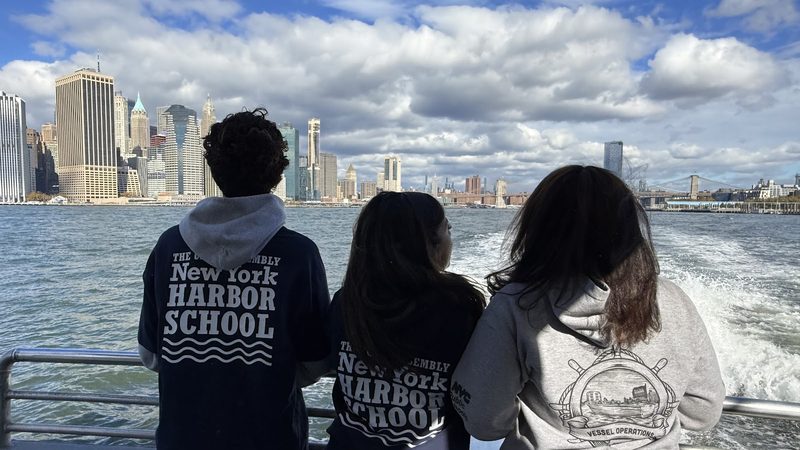
The Urban Assembly New York Harbor School—Harbor School for short—is where Billion Oyster Project’s work began. Nestled on Governors Island in the heart of New York Harbor, the school offers a one-of-a-kind experience in environmental stewardship, maritime learning, and hands-on career preparation. Through its eight state and industry-certified Career and Technical Education (CTE) programs, students build real-world skills that open doors to both college and careers.

Learn more

Billion Oyster Project × NYC Ferry × NYCEDC

The Floating Classroom

New York City is surrounded by water. Every student deserves the chance to experience it.

  • 10,000+students we aim to bring onto the Harbor annually
  • 90 minutesper voyage
  • November 2026launched
An NYC Ferry boat crossing the East River beneath the Williamsburg Bridge

Bringing the classroom to the Harbor

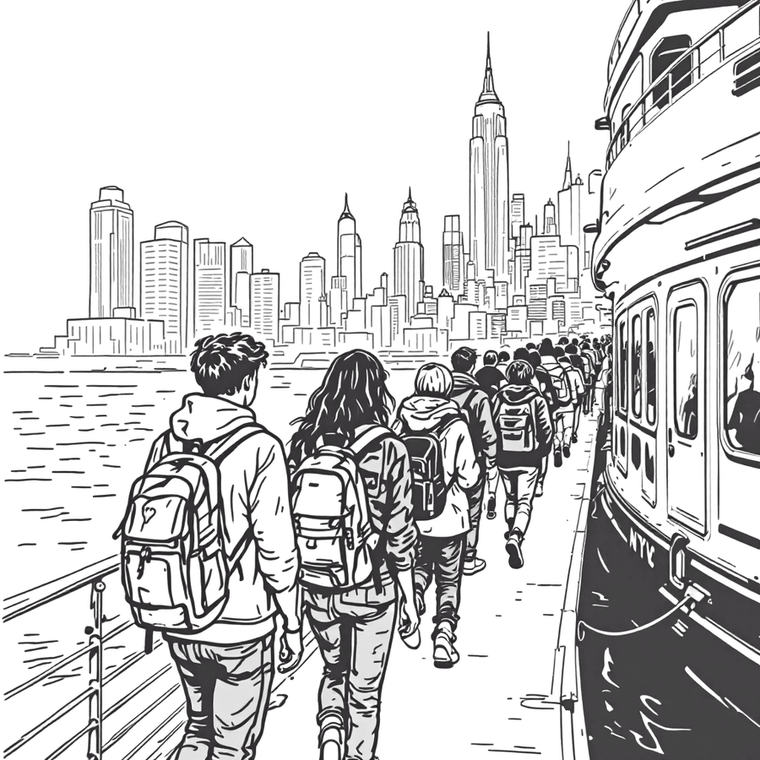
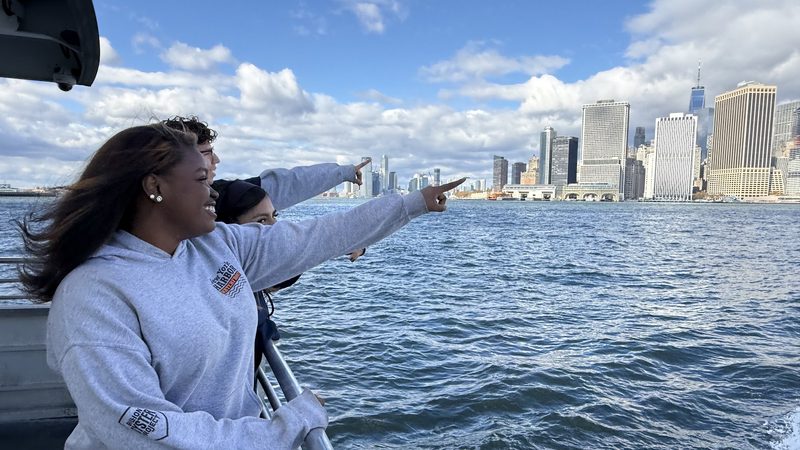
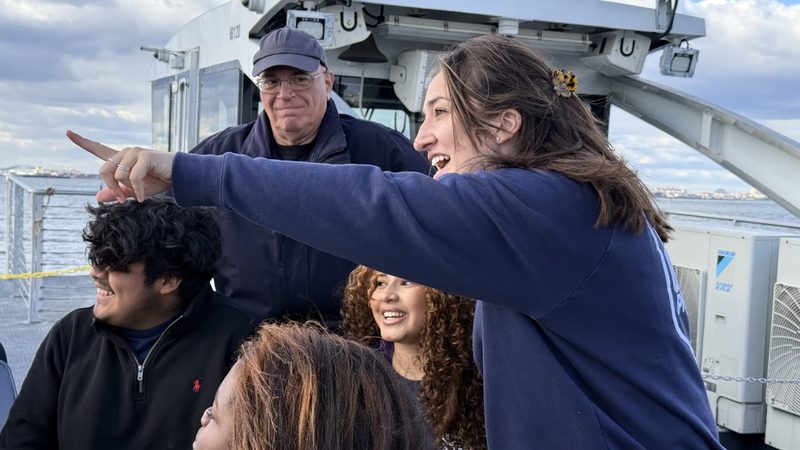
For too many New York City students, the Harbor is something they’ve only ever seen from shore. Getting an entire class onto the water has long been a challenge. By pairing NYC Ferry’s vessels and network of 25 landings with Billion Oyster Project’s educators and curriculum, we’re opening up new opportunities for students across the five boroughs to experience the Harbor firsthand.

The city becomes the lesson

Each 90-minute voyage brings students face-to-face with the living, working waterways that shape New York. Through hands-on, curriculum-aligned learning, students explore:

One voyage. A new perspective.

For more than a decade, we’ve seen how experiencing nature firsthand can change the way students understand their city and their place in it. The Floating Classroom builds on that belief, opening the door to deeper learning, environmental stewardship, and careers on the waterfront.

Our ambition goes beyond a single trip. We want a generation of New Yorkers to grow up knowing the Harbor, caring about its future, and recognizing that they have a role in shaping it.

Ann FraioliDirector of Education, Billion Oyster Project
Learn More About the Floating Classroom

Billion Oyster Project · Impact Report 202605 · Partnerships

Partner­ships

Restoring New York Harbor takes more than one organization. Billion Oyster Project is proud to be part of the Harbor Estuary Program (HEP), working alongside city, state, and federal agencies and a network of local partners who bring expertise in science, conservation, education, and community engagement. Together, we’re helping build a healthier, more resilient Harbor for everyone.

Tap or click any shield to learn more about that partner.

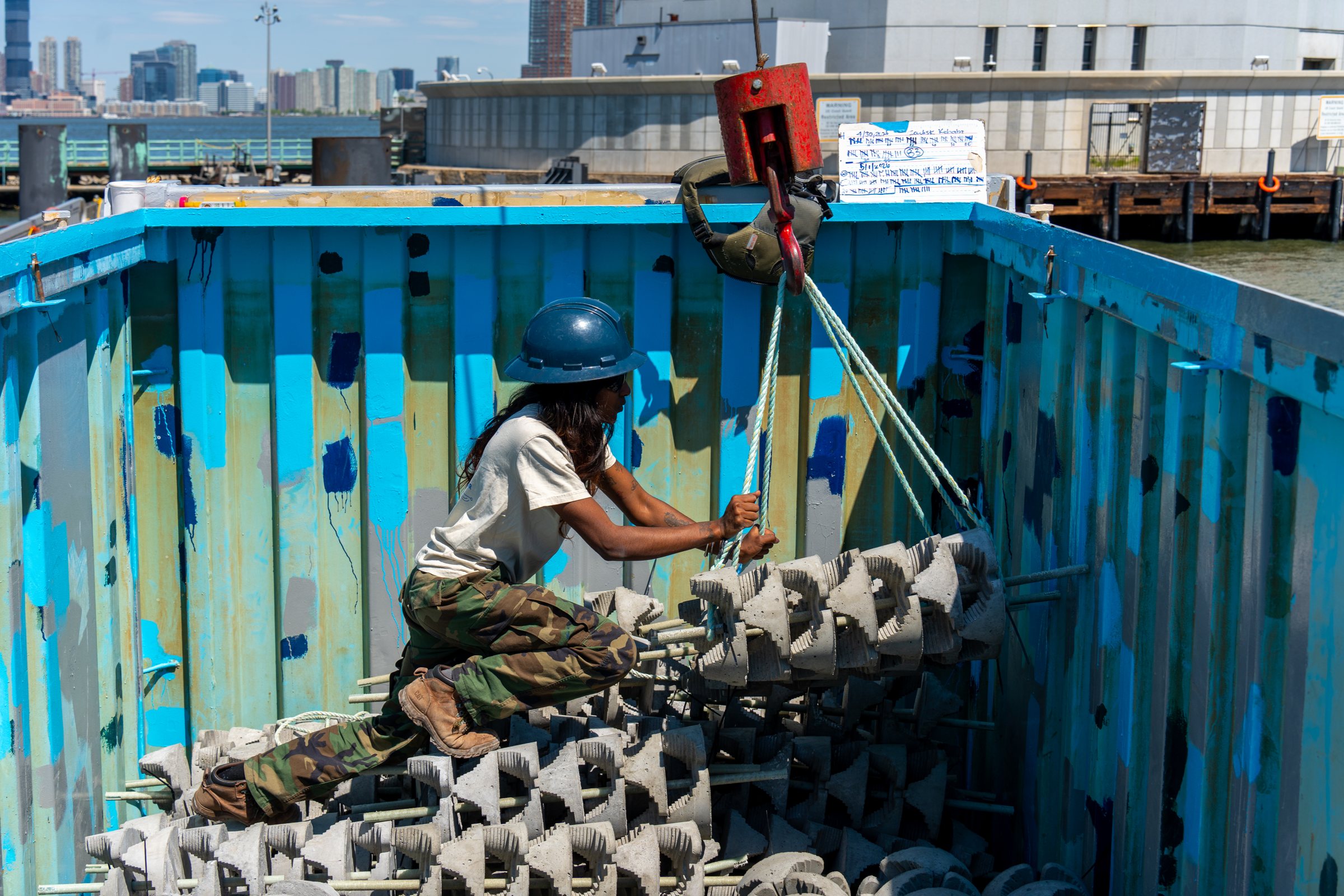
A Billion Oyster Project crew member guides a reef structure into place with a crane on the waterfront

Billion Oyster Project · Impact Report 202606 · The restaurant network

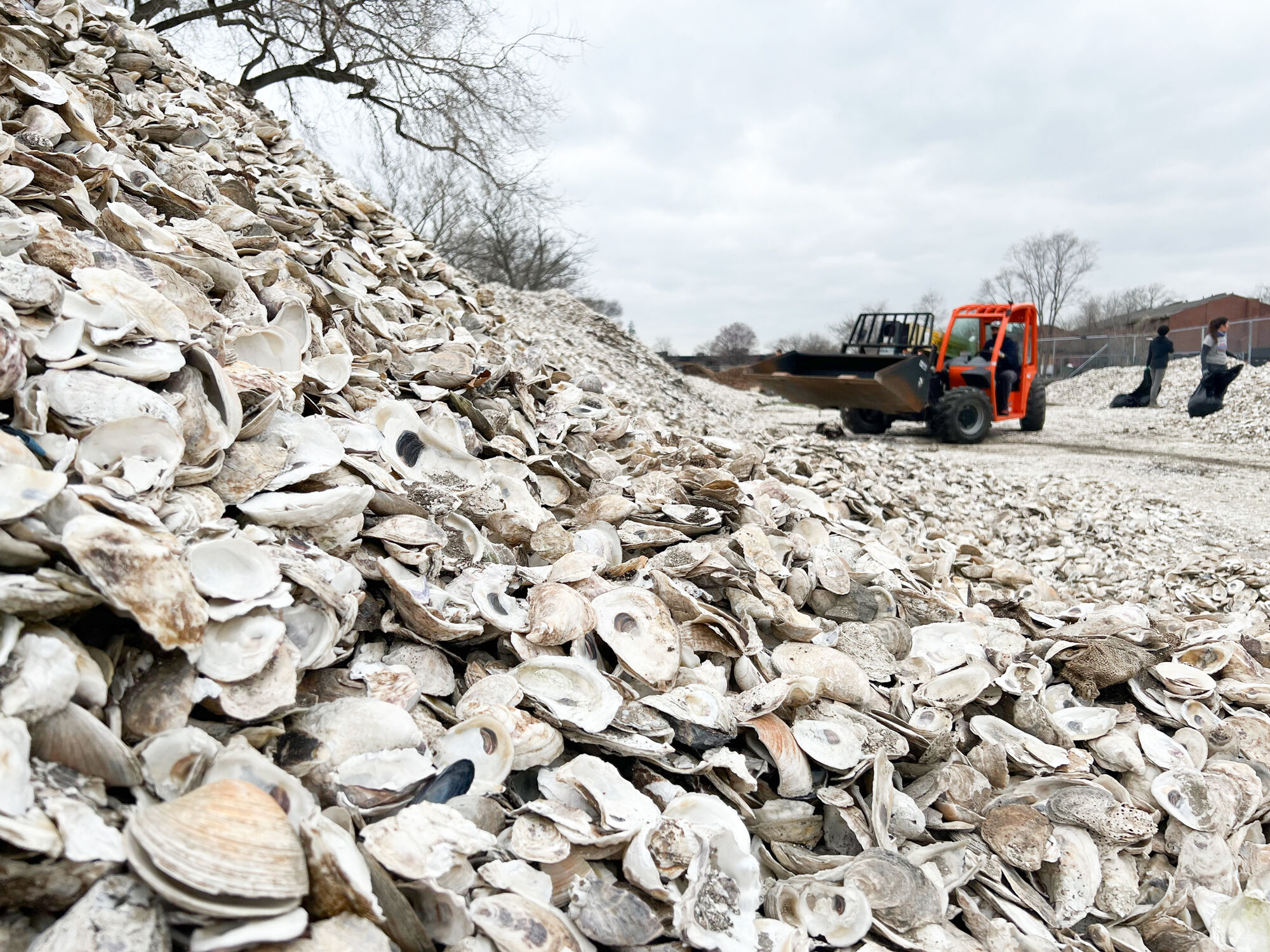
  • A mountain of collected oyster shells at the curing yard, with a loader in the background
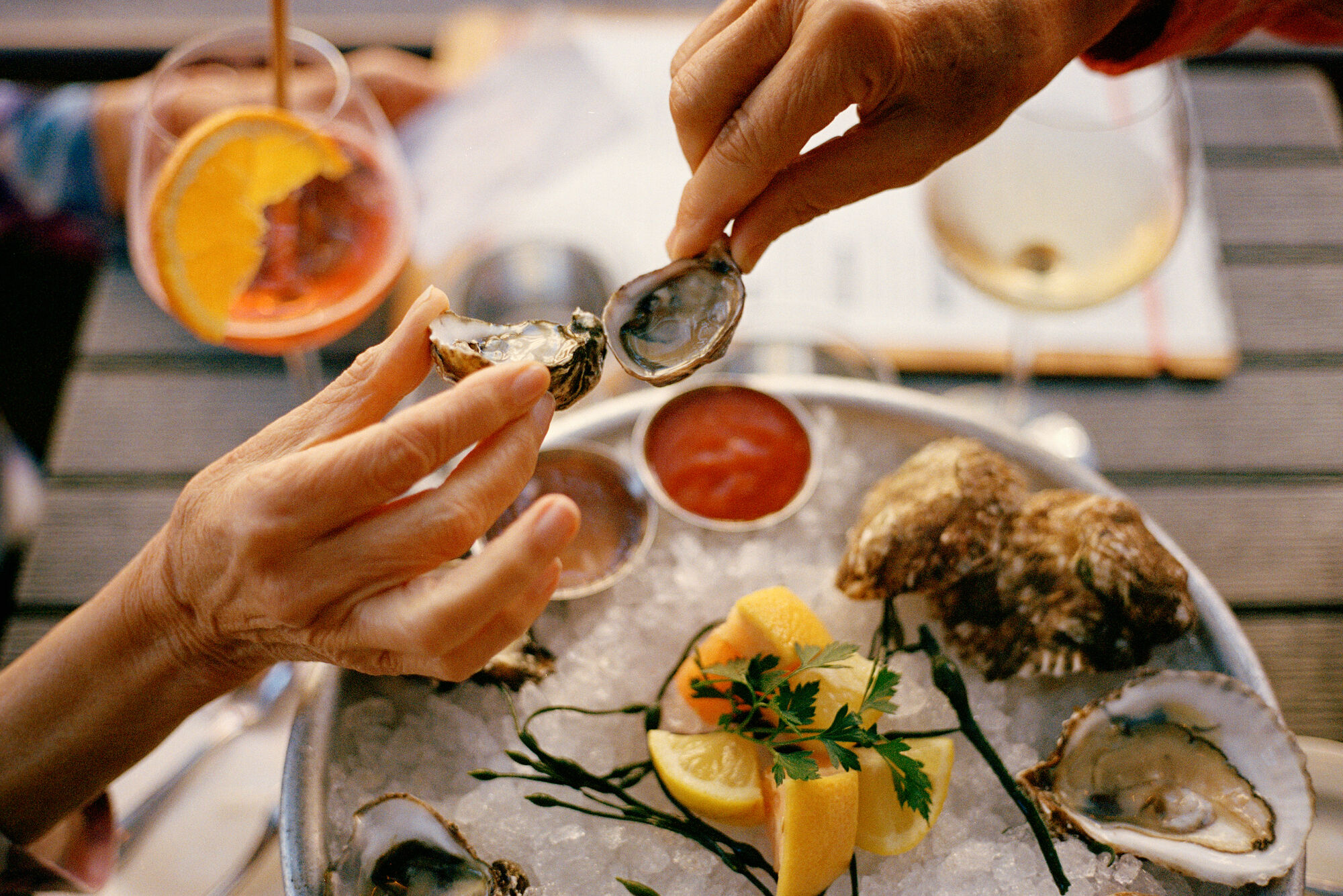
  • Hands lifting a raw oyster from a platter on ice at a restaurant table
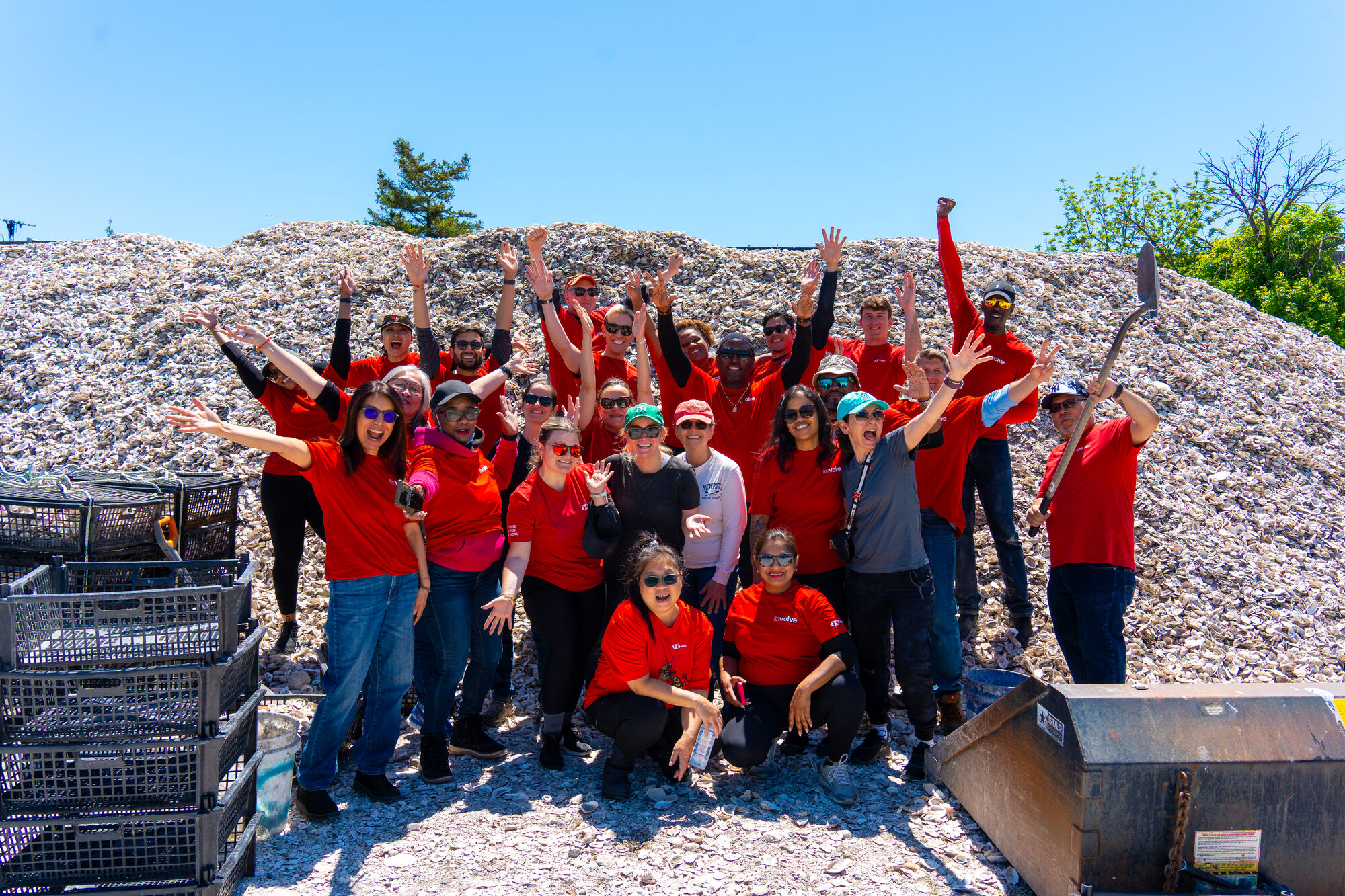
  • The Billion Oyster Project crew in red shirts cheering on top of the shell pile
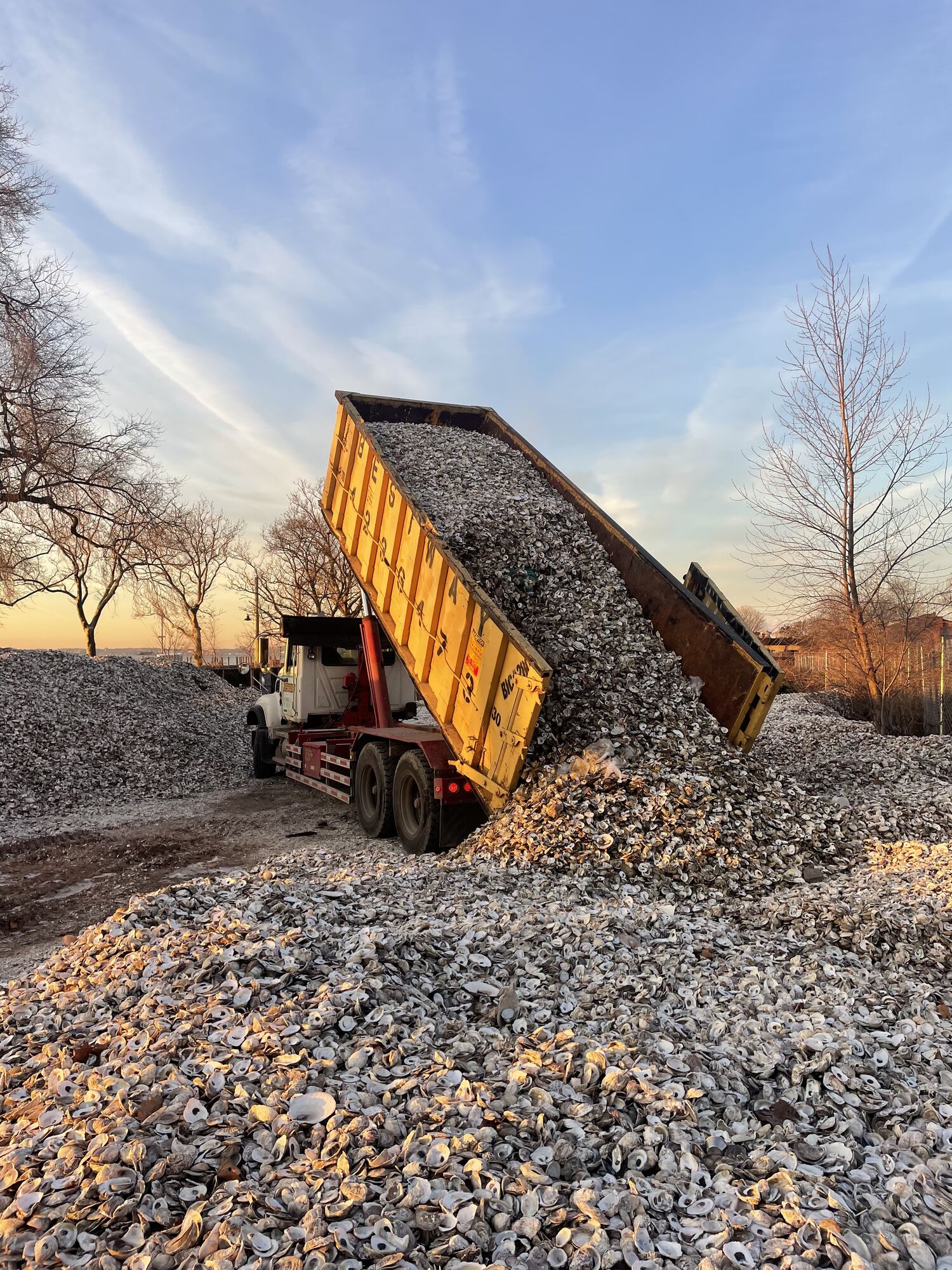
  • A dump truck tipping a load of oyster shell at sunset
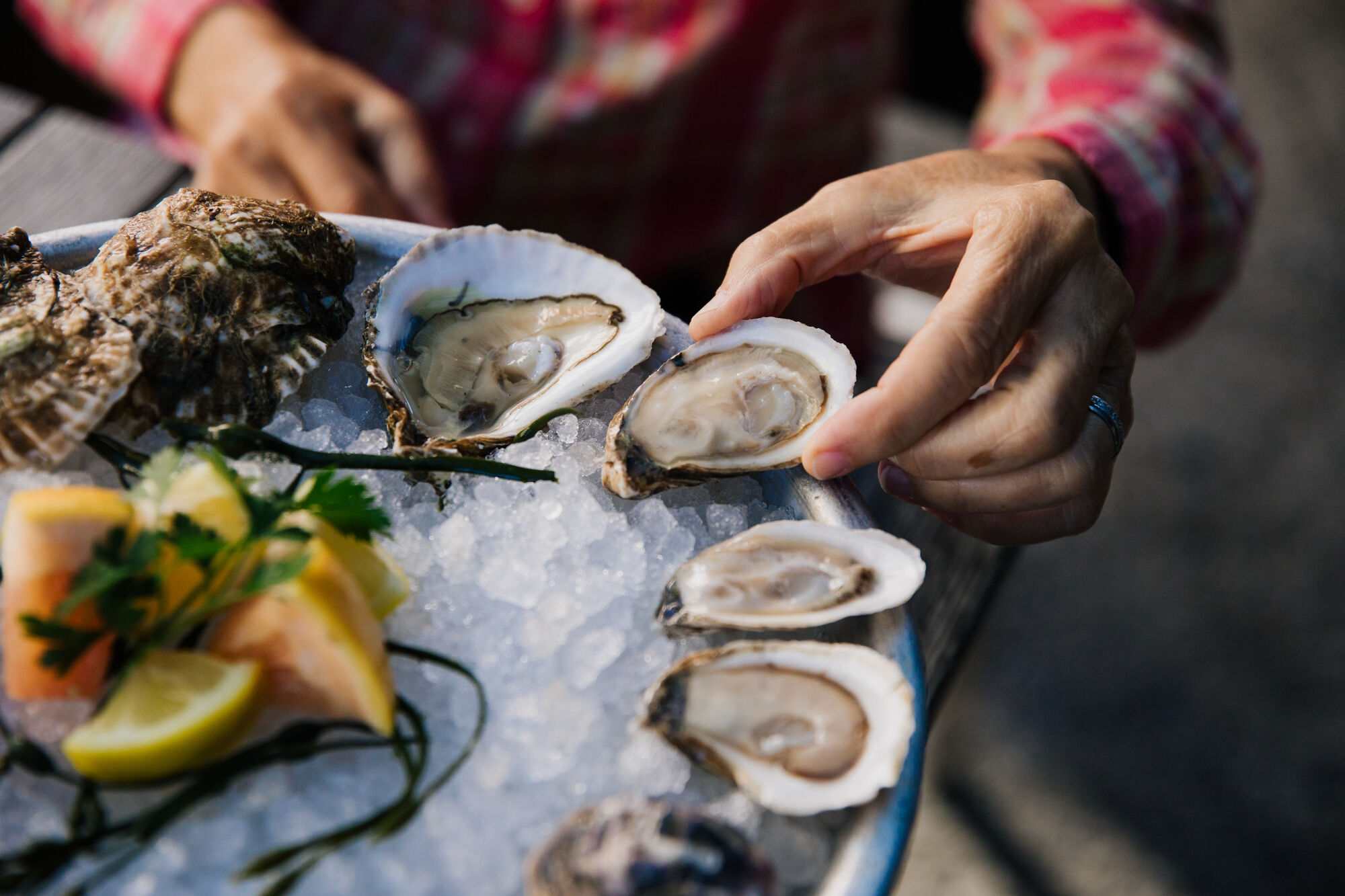
  • Oysters on ice with lemon and herbs, being picked up by hand
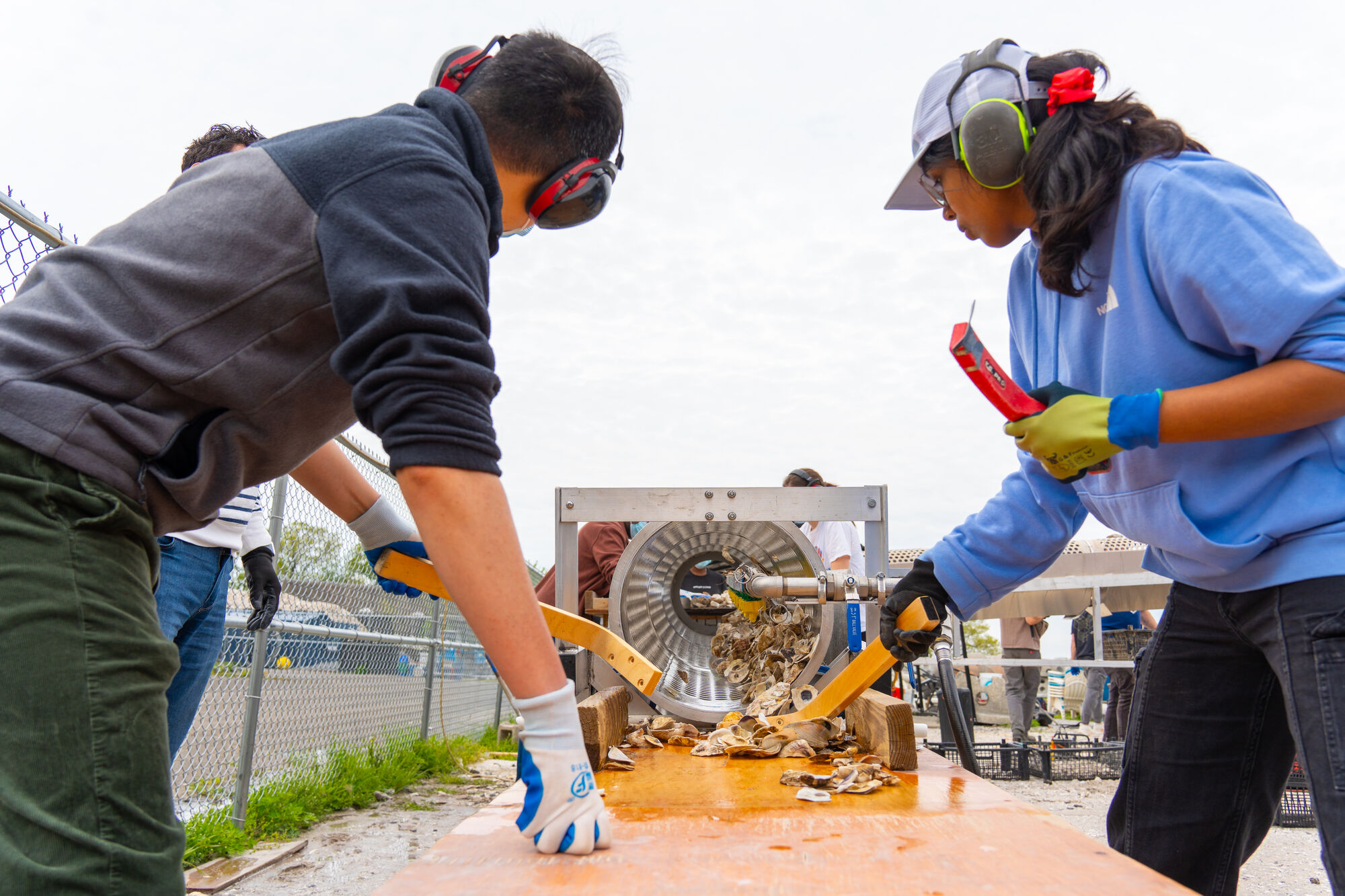
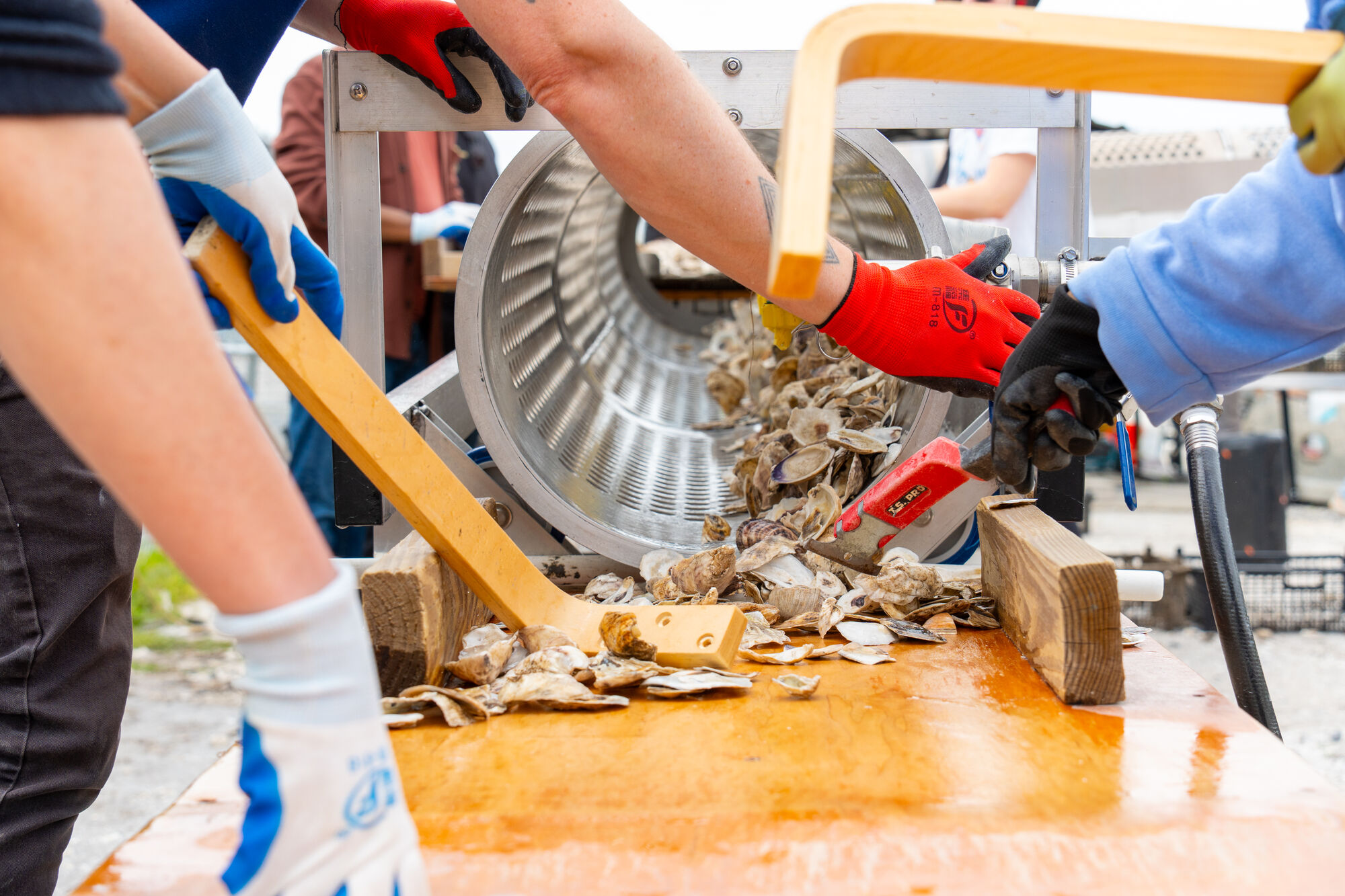
  • Two crew members in ear protection feeding shell through a sorting machine
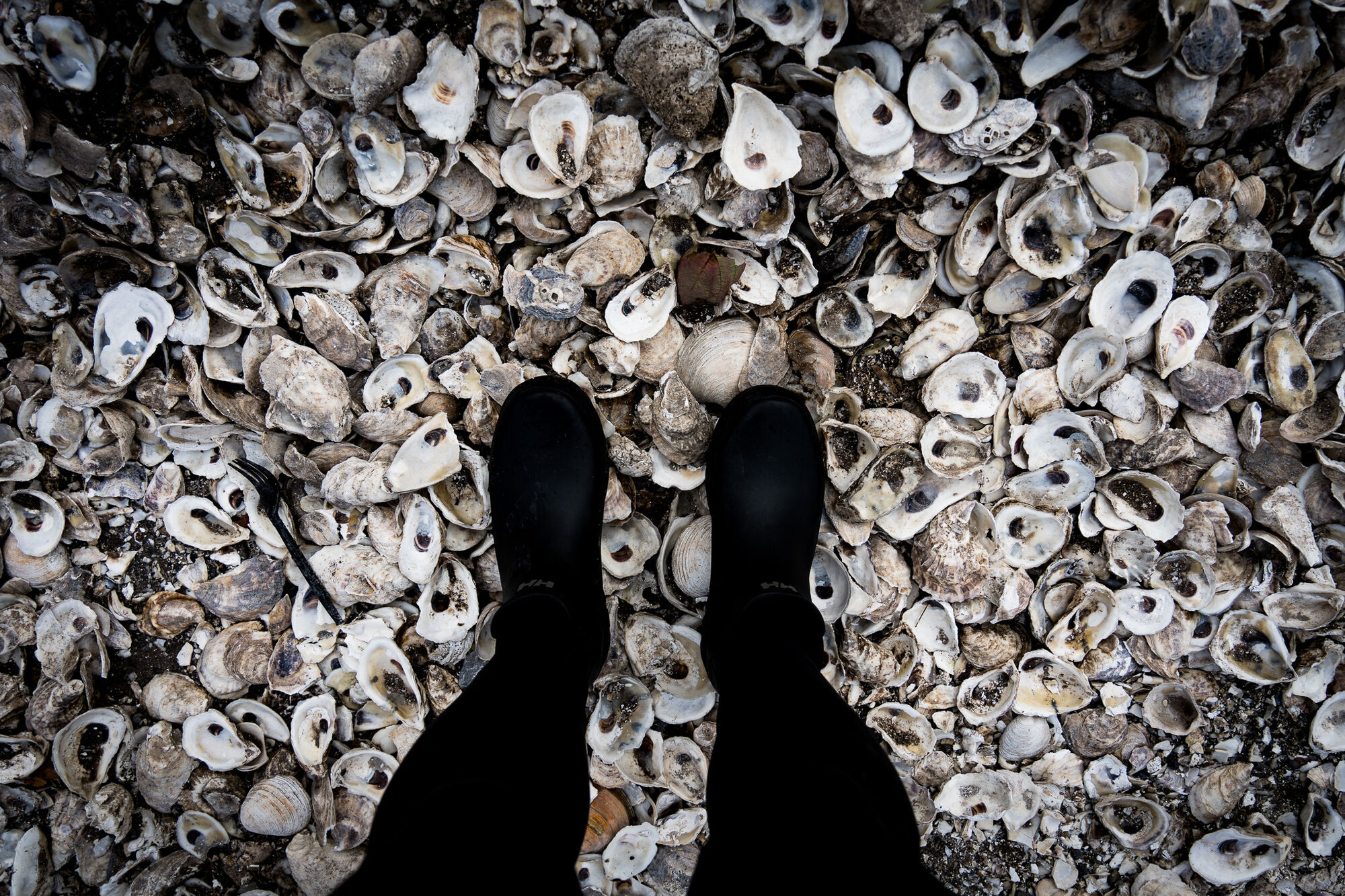
  • Black boots standing on a bed of discarded oyster shells
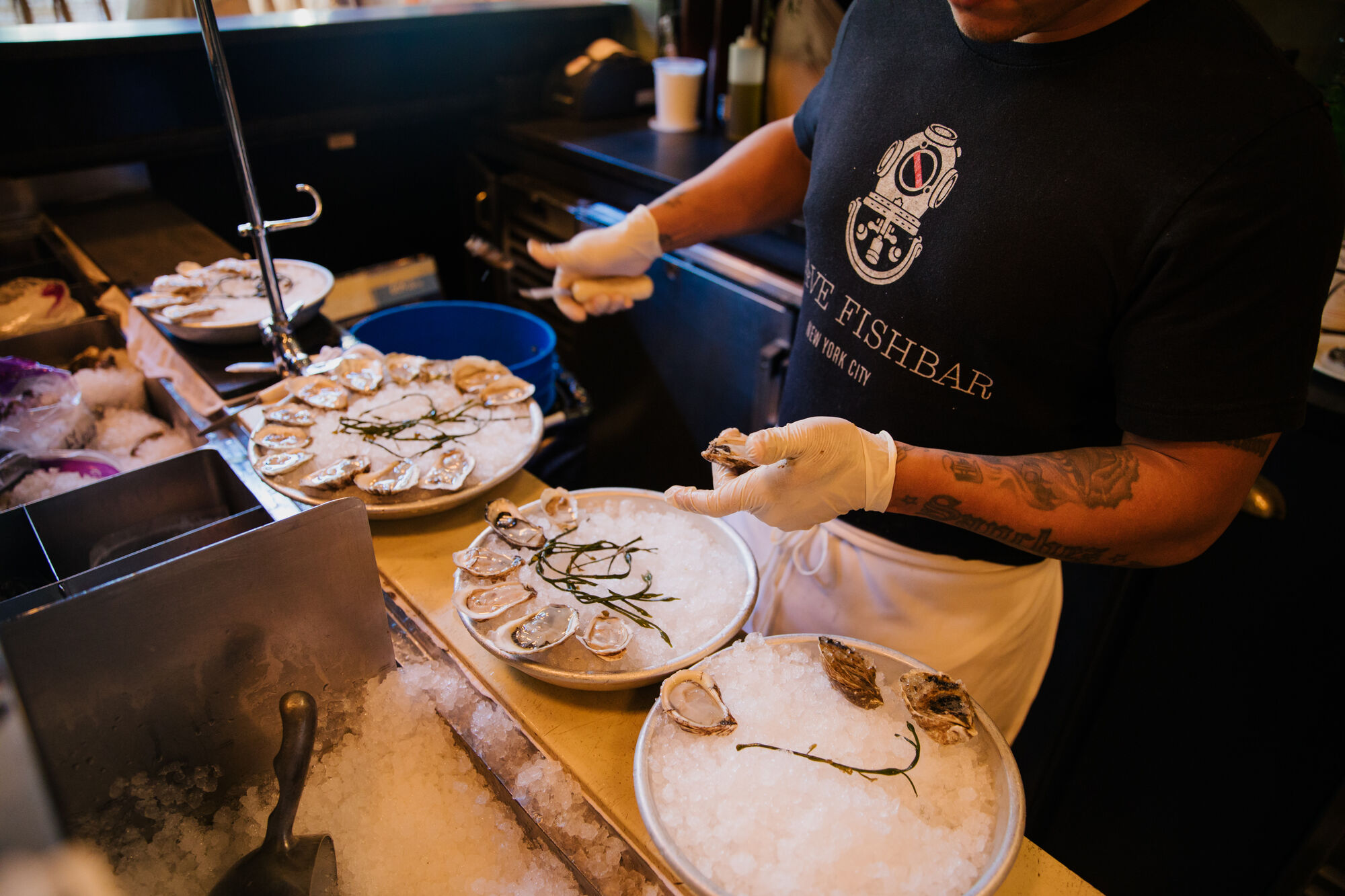
  • A cook shucking oysters at a restaurant raw bar
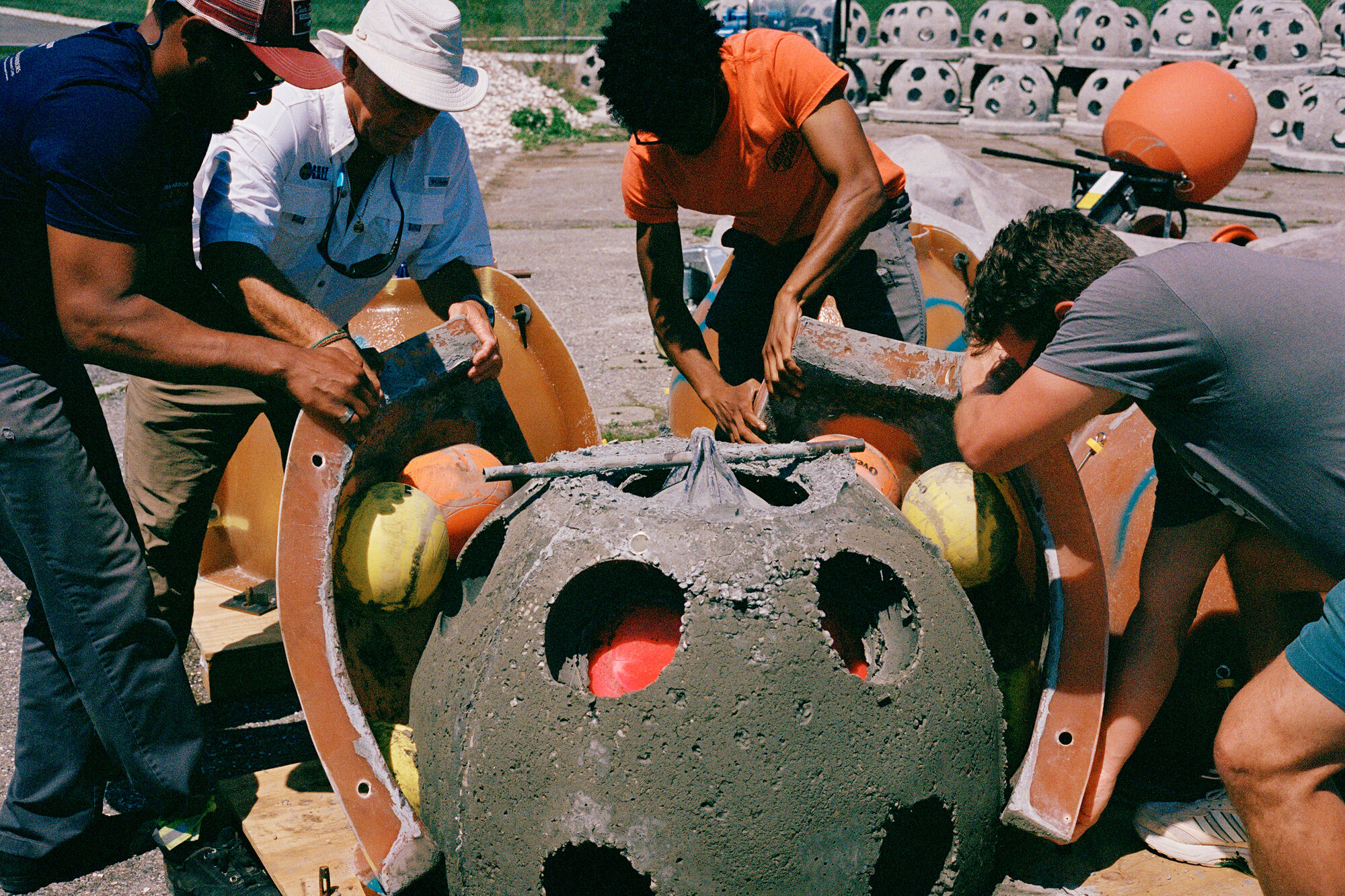
  • Crew members assembling a concrete reef ball with shell
  • Gloved hands working shell through a screening machine

1 / 10 · Scroll or tap through

Every recycled shell
starts at
a table

Billion Oyster Project builds reefs from shells collected at restaurants across New York City, shells that would otherwise go to landfill. Each pin shows a partner restaurant.

Partner Also in membership

Click the dots for more info

  1. 2026 · Billion Oyster Project

    Shell Recycling Wrapped

  2. Collected this year

    285,000

    pounds of shell

    from 75+ restaurant partners

    nearly 150 tons of reef material

  3. Every week

    6,000

    pounds of shell

    from diners enjoying oysters

  4. Top shell recyclers 2026 · lbs

    1. 1Cull & Pistol30,637
    2. 2Grand Central Oyster Bar16,368
    3. 3Grand Banks16,315.6
    4. 4Crave Fishbar Upper West Side14,478
    5. 5Sagaponack12,992
    6. 6Jeffrey’s Grocery12,777
    7. 7Maison Premiere12,143
    8. 8Crave Fishbar Midtown East11,392
    9. 9Gage & Tollner9,729
    10. 10P.J. Clarke’s Lincoln Square7,092
  5. Newcomers · lbs

    1. 1P.J. Clarke’s Manhattan West6,514
    2. 2Red Hook Lobster Pound2,919
    3. 3Union Square Cafe2,802
    4. 4Yacht Club2,715
    5. 5Crane Club2,640
  6. Small & mighty · lbs

    1. 1Flex Mussels6,948
    2. 2532,550
    3. 3Lighthouse BK2,457
    4. 4Bar Belly2,090
    5. 5Stowaway1,836
  7. Every day

    ~~20

    restaurants picked up

  8. To date

    3.35M

    pounds of shell collected

    kept out of landfill

  9. This year

    ~~3M

    oysters shucked and donated back

    each shell represents about 30,000 oysters

Tap through 1 / 9

Billion Oyster Project · Impact Report 202607 · Communications

Spreading the story, together

The Harbor has some pretty cool friends.

The story of New York Harbor is reaching new audiences, thanks to the people helping us tell it. From actors and creators to influential voices and local New Yorkers, our community of advocates is growing. Matthew Rhys has become a particularly passionate champion of that message, helping inspire more New Yorkers to rediscover the Harbor in their own backyard. We’re also deeply grateful to our Board of Directors, whose leadership and belief in our mission help make this work possible.

0

Instagram views from Aug 15 to Nov 12, up 89.2% on the 90 days before

0

of those views came from people who do not follow us yet, and non-follower views are up 138.1%

0

new followers during Climate Week alone, up 454.5%

0

Pieces of press coverage since August alone

0

Potential reach across our press coverage

0

Creators and public figures who shared our work

Everyone’s talking about us

Billion Oyster Project · Impact Report 202608 · The ask

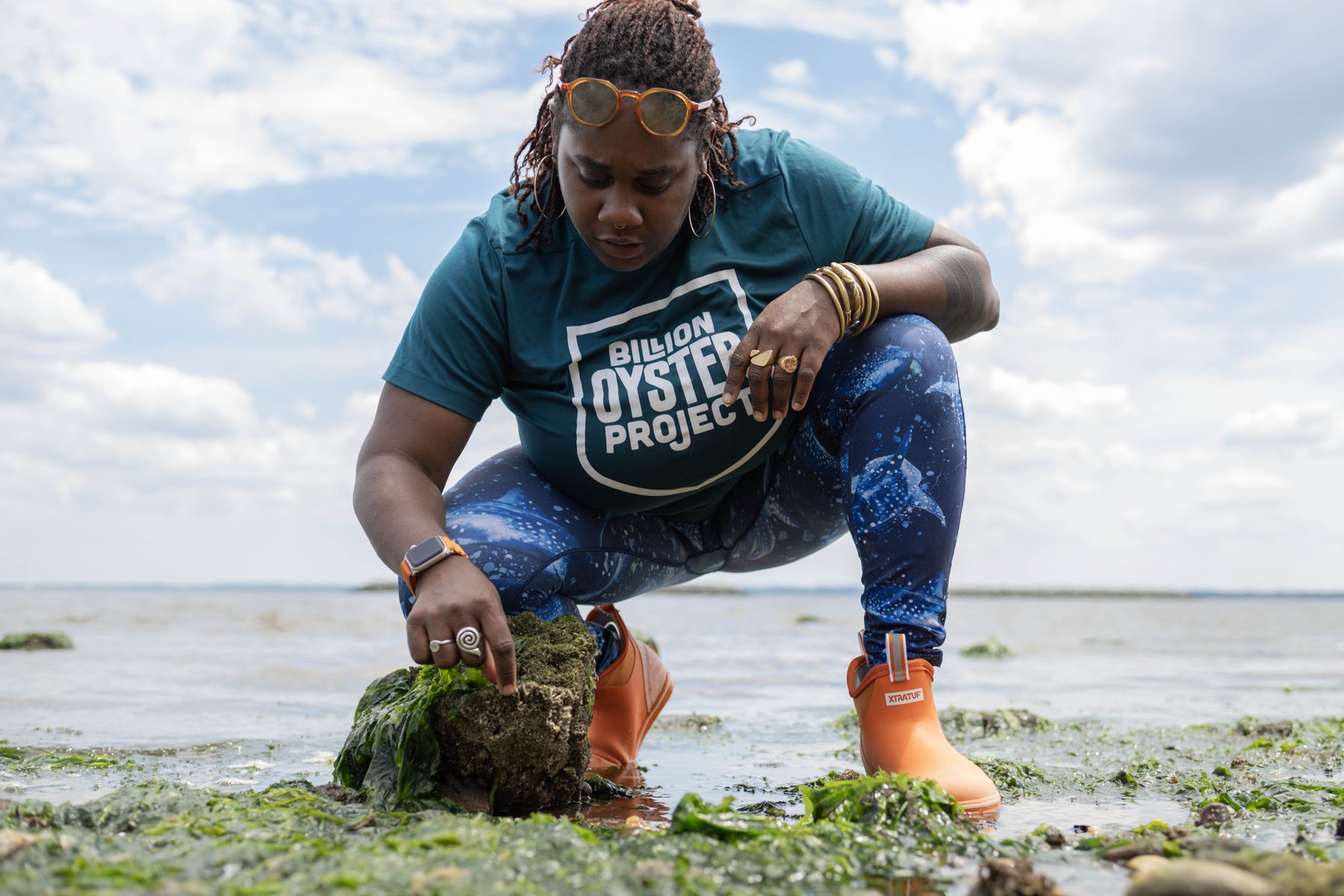
  • A Billion Oyster Project team member crouching on the shoreline at low tide, lifting an oyster-covered rock
  • A diver underwater holding up an oyster shell in a cloud of silt
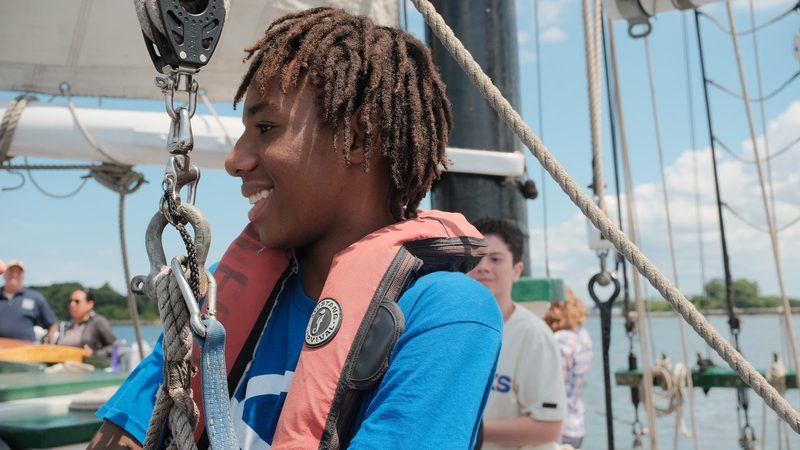
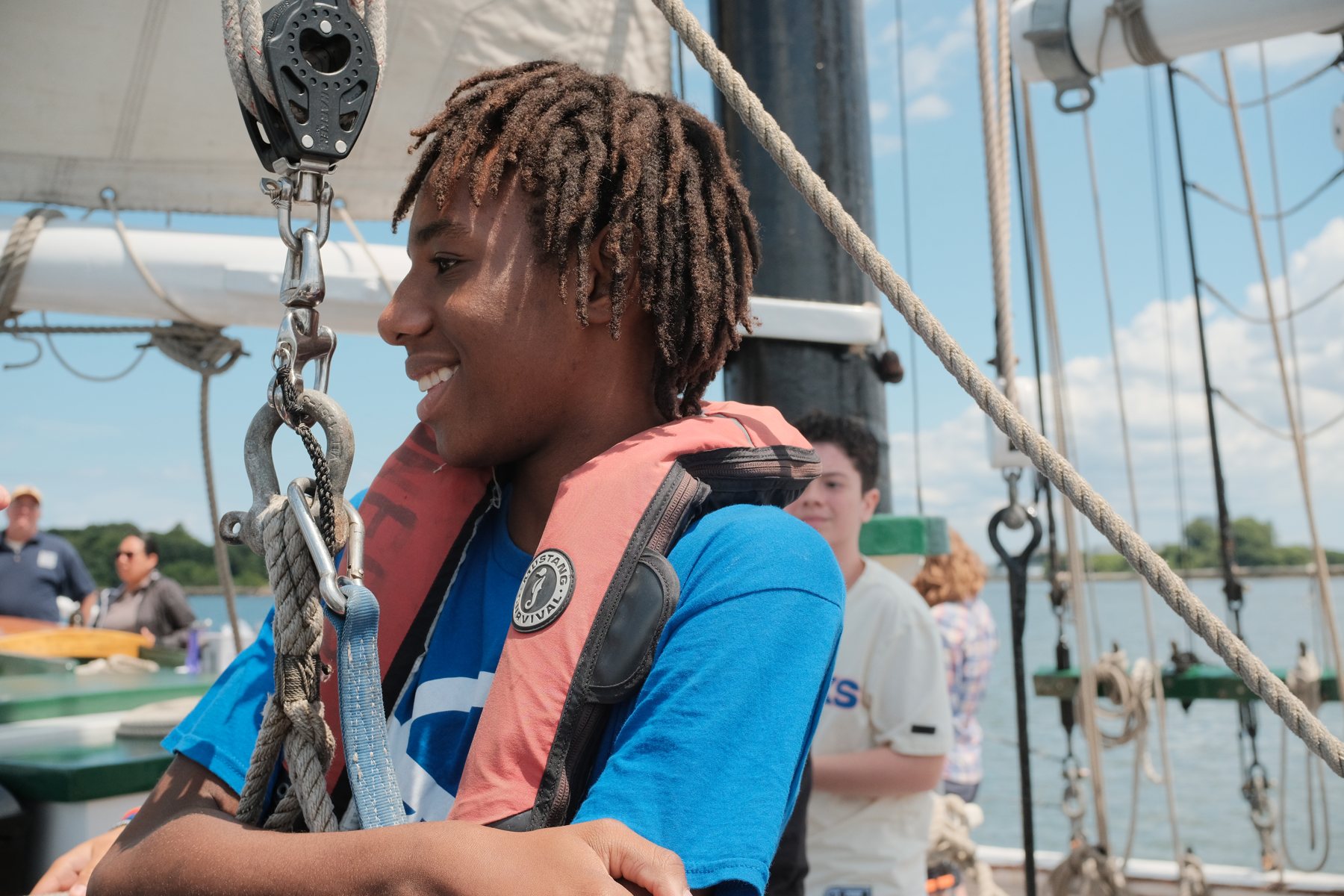
  • A smiling student in a life vest aboard a tall ship, ropes and sails overhead
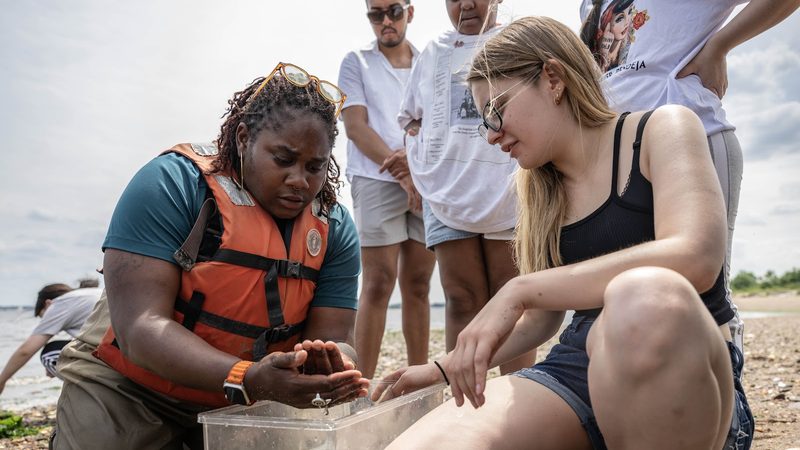
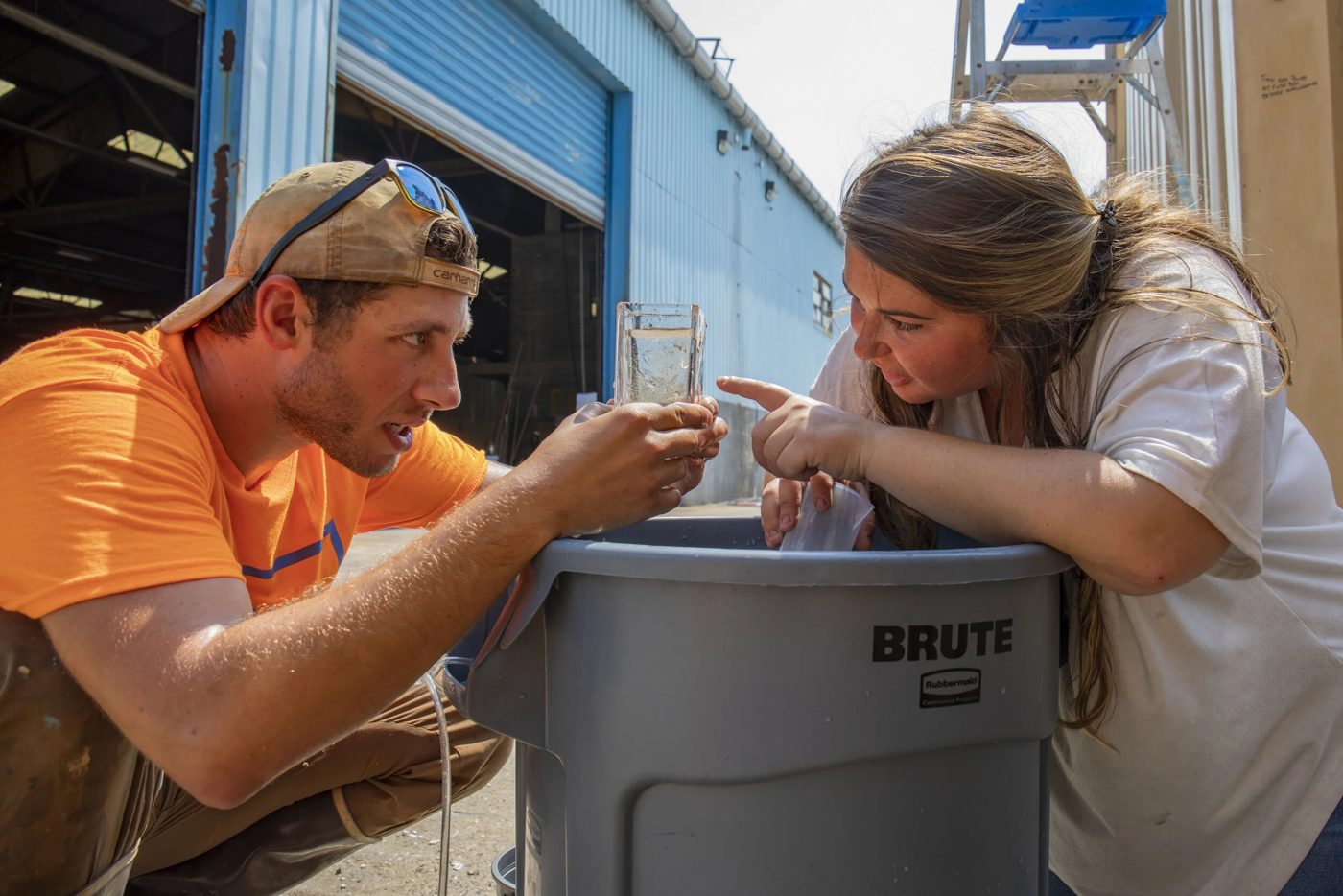
  • Two Billion Oyster Project team members examining a sample at the dock
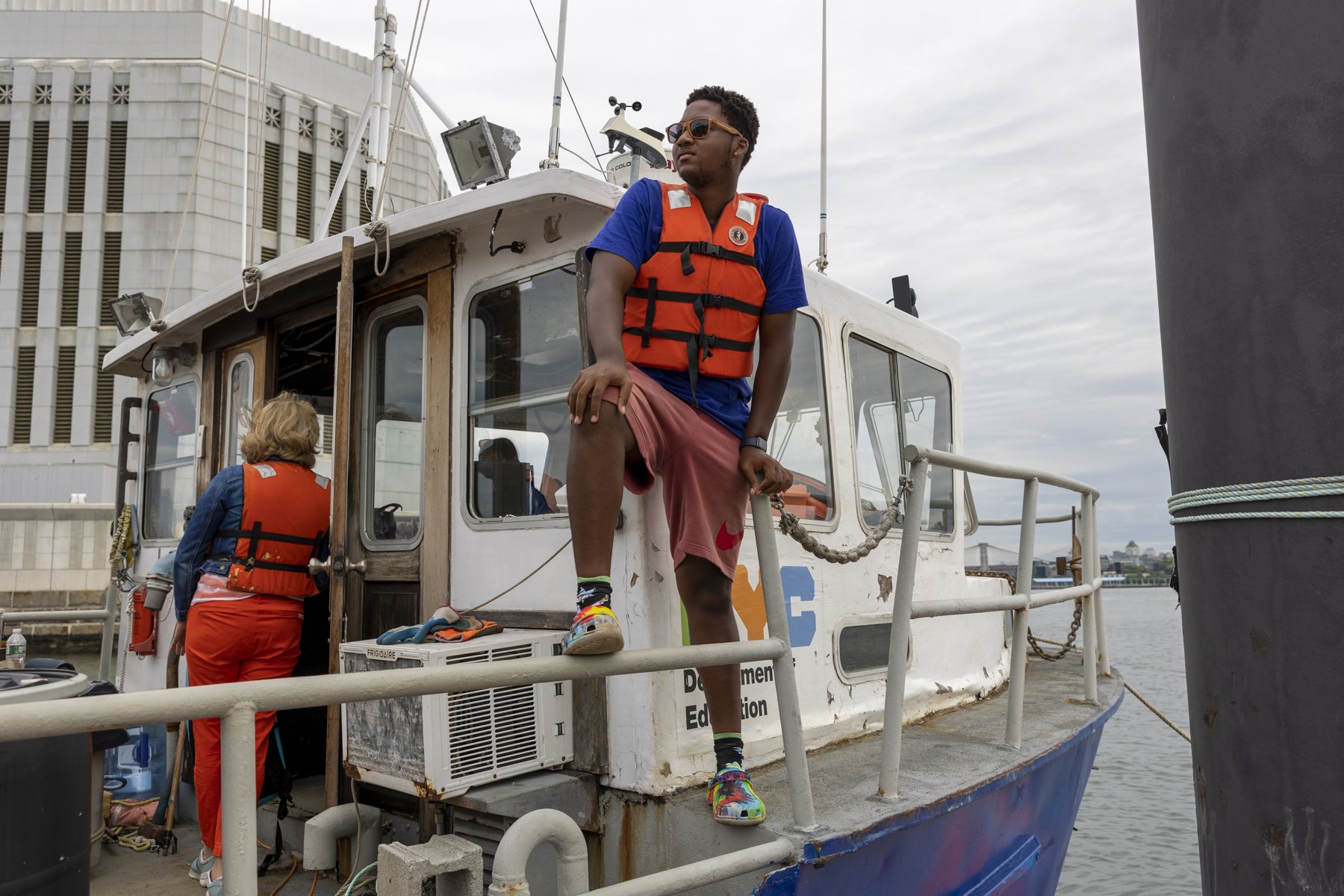
  • A crew member in an orange life vest sitting on the rail of the work boat
  • A hand holding up an oyster shell with New York Harbor behind it
  • Children in life vests working with oyster shells at an outdoor table
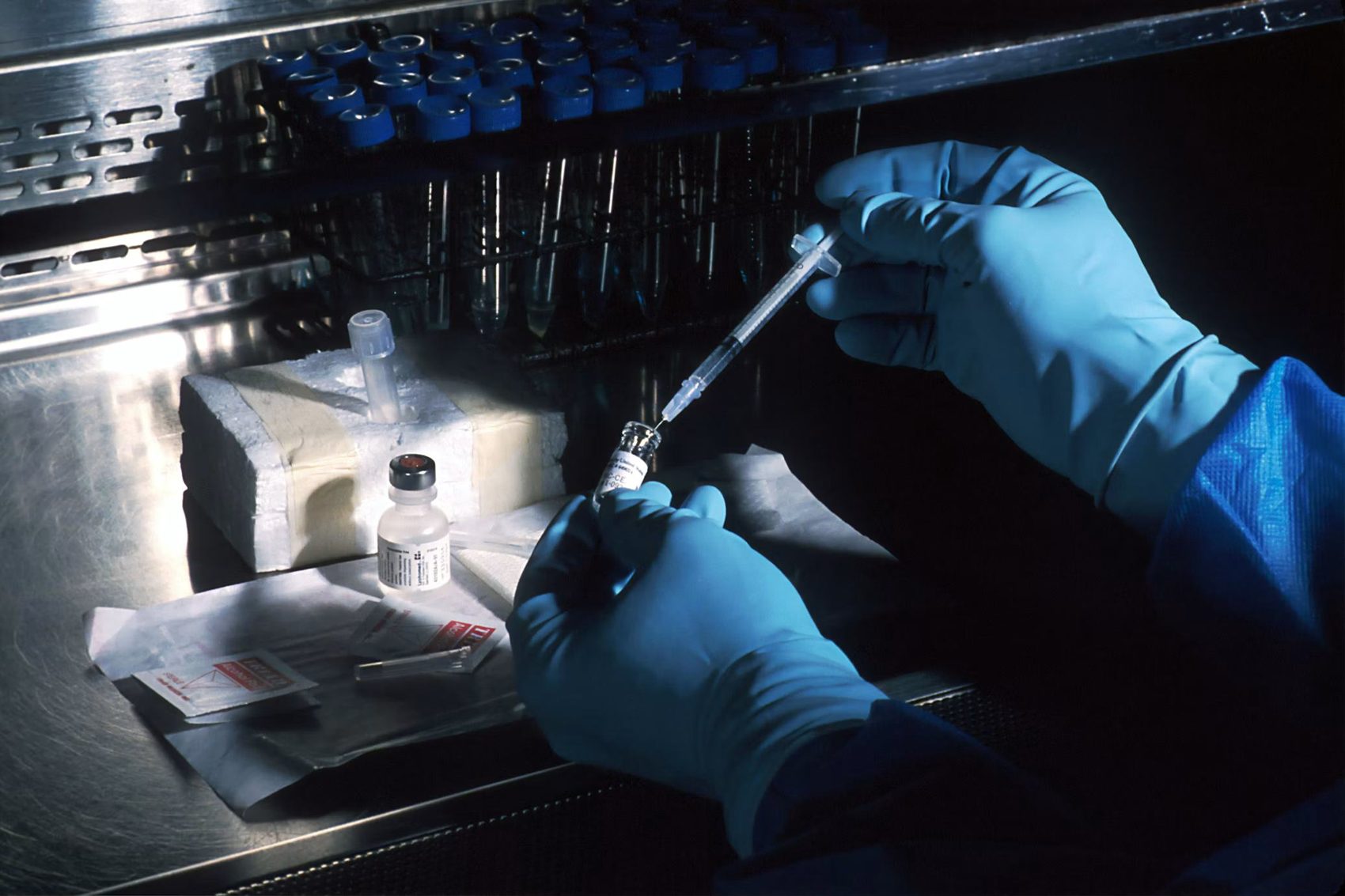
  • A researcher at a microscope in the lab
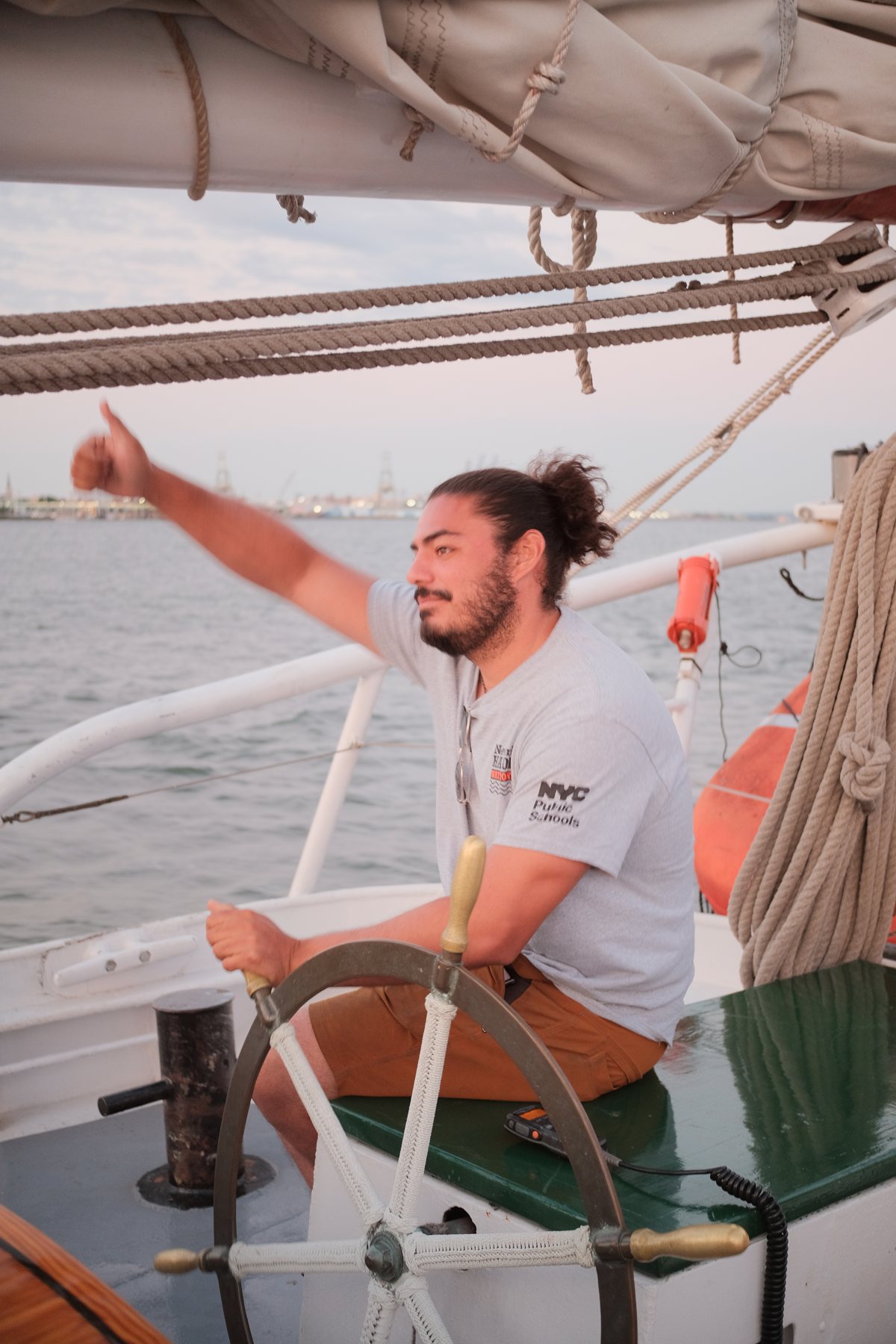
  • A crew member at the helm of a sailing boat pointing out across the harbor
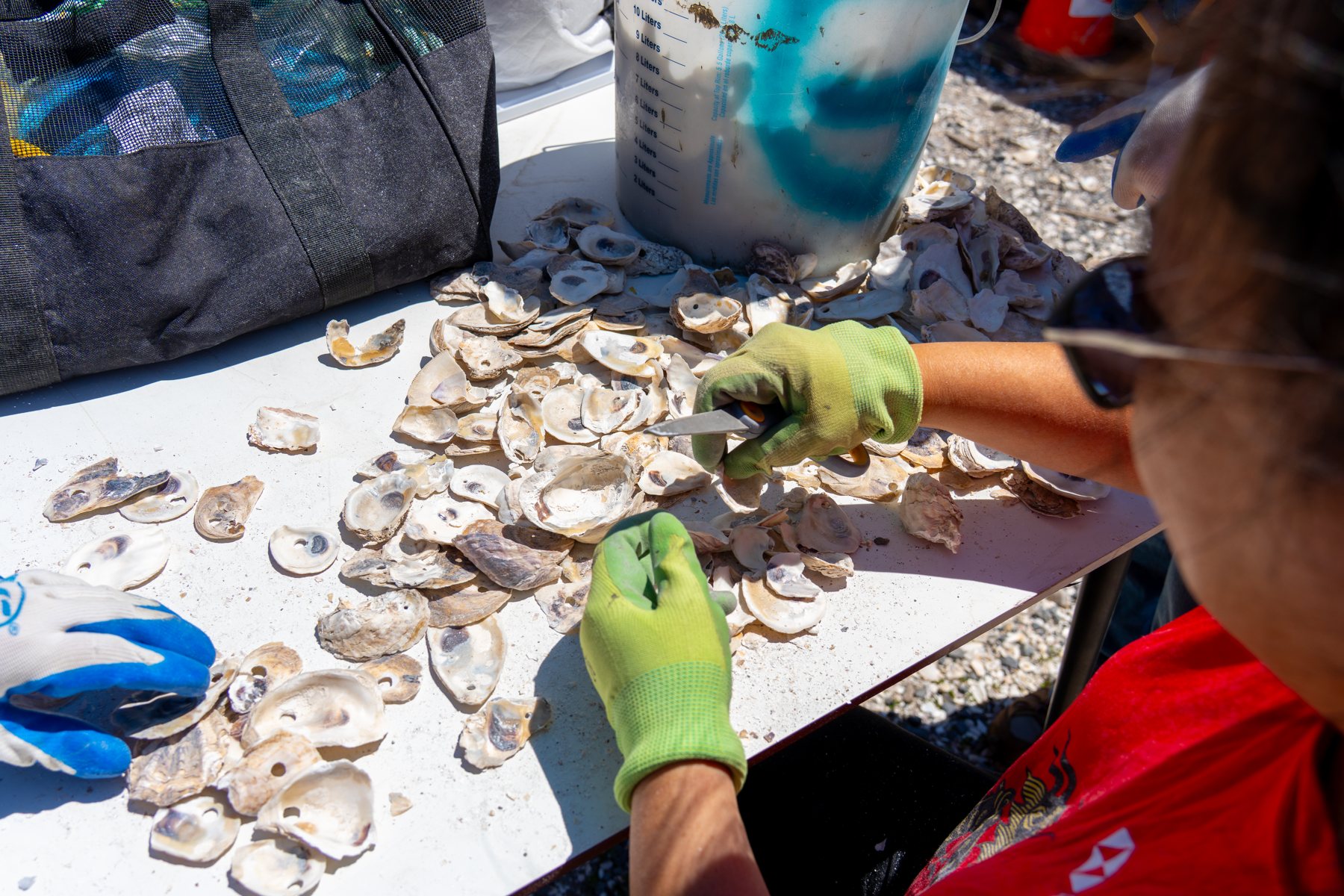
  • A volunteer shucking oysters at a table covered in oyster shells
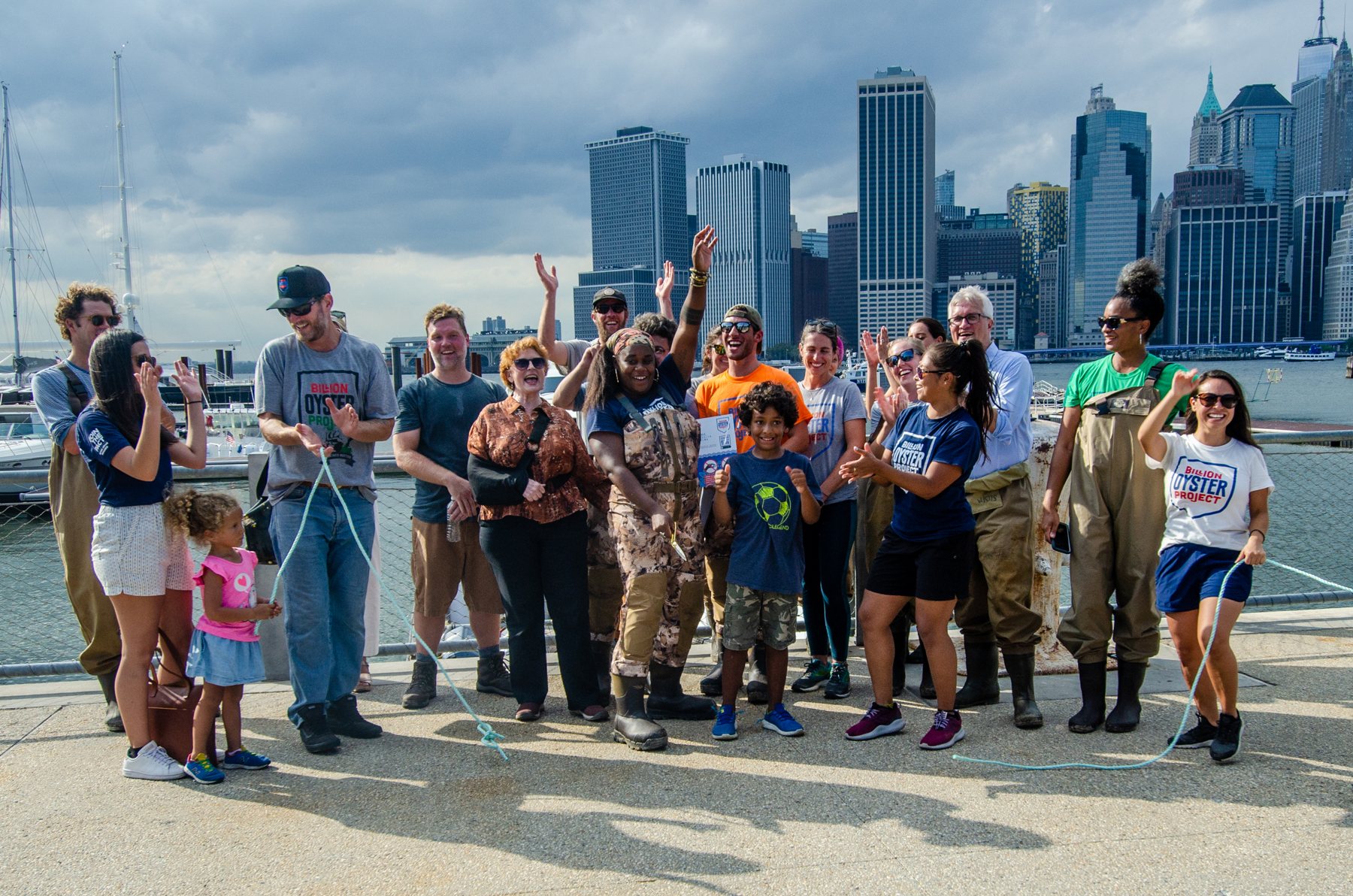
  • A crowd of volunteers, kids and staff cheering on the waterfront with the Manhattan skyline behind them
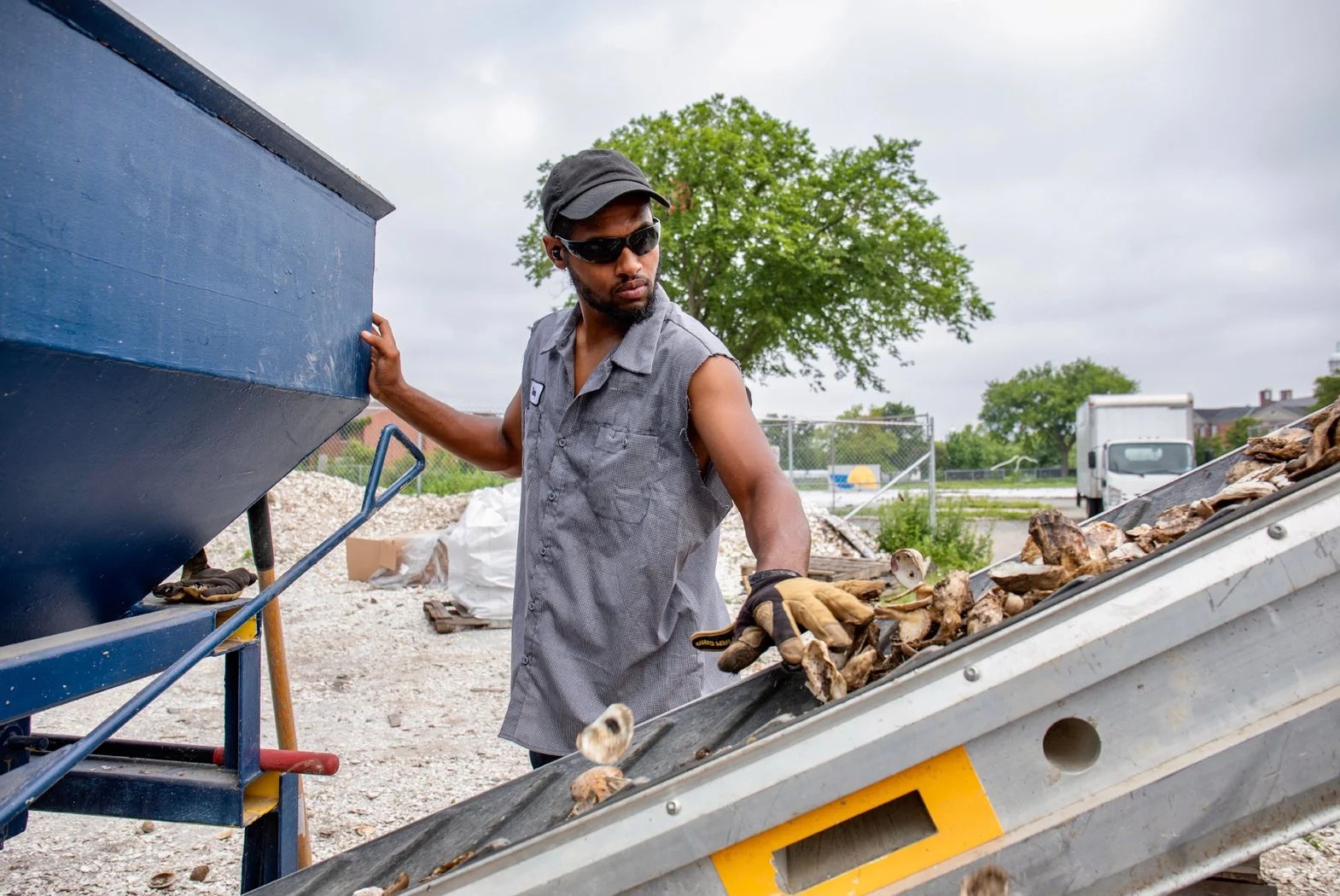
  • A worker in a gray shirt and cap at the shell conveyor, loading oyster shells at the shell yard
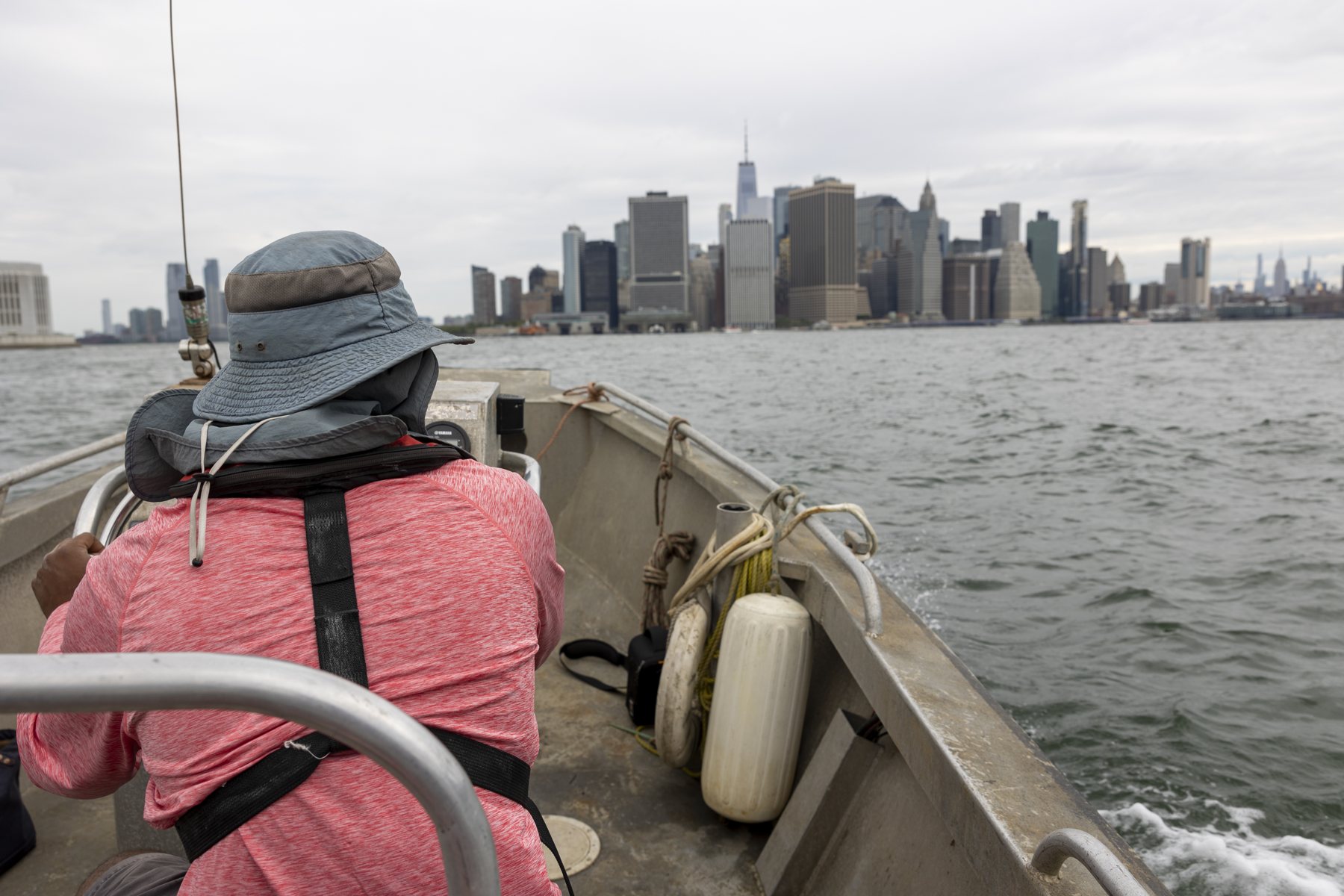
  • A team member in a bucket hat on the bow of a boat, with the lower Manhattan skyline ahead
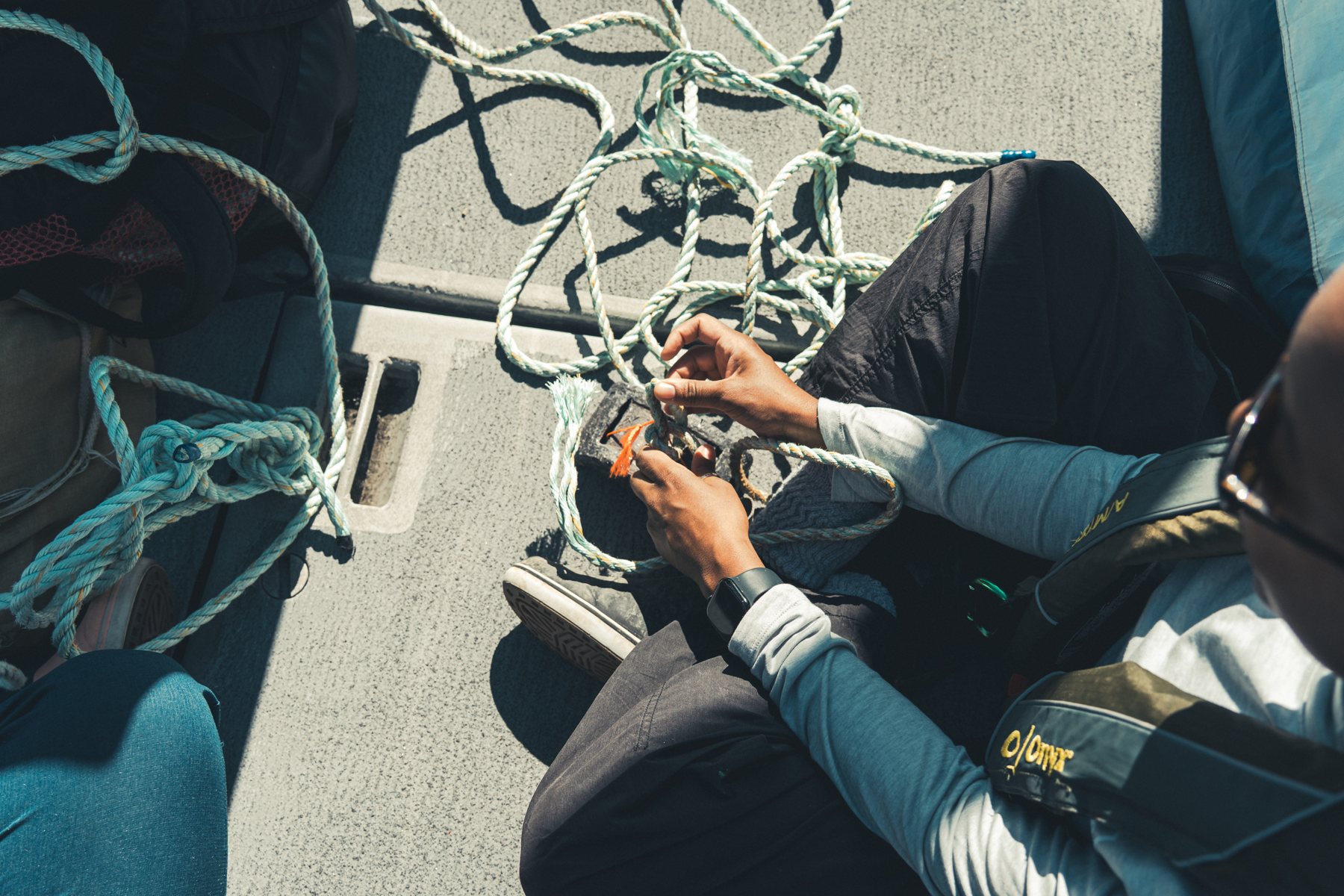
  • A crew member working with rope and clips on the deck of the work boat
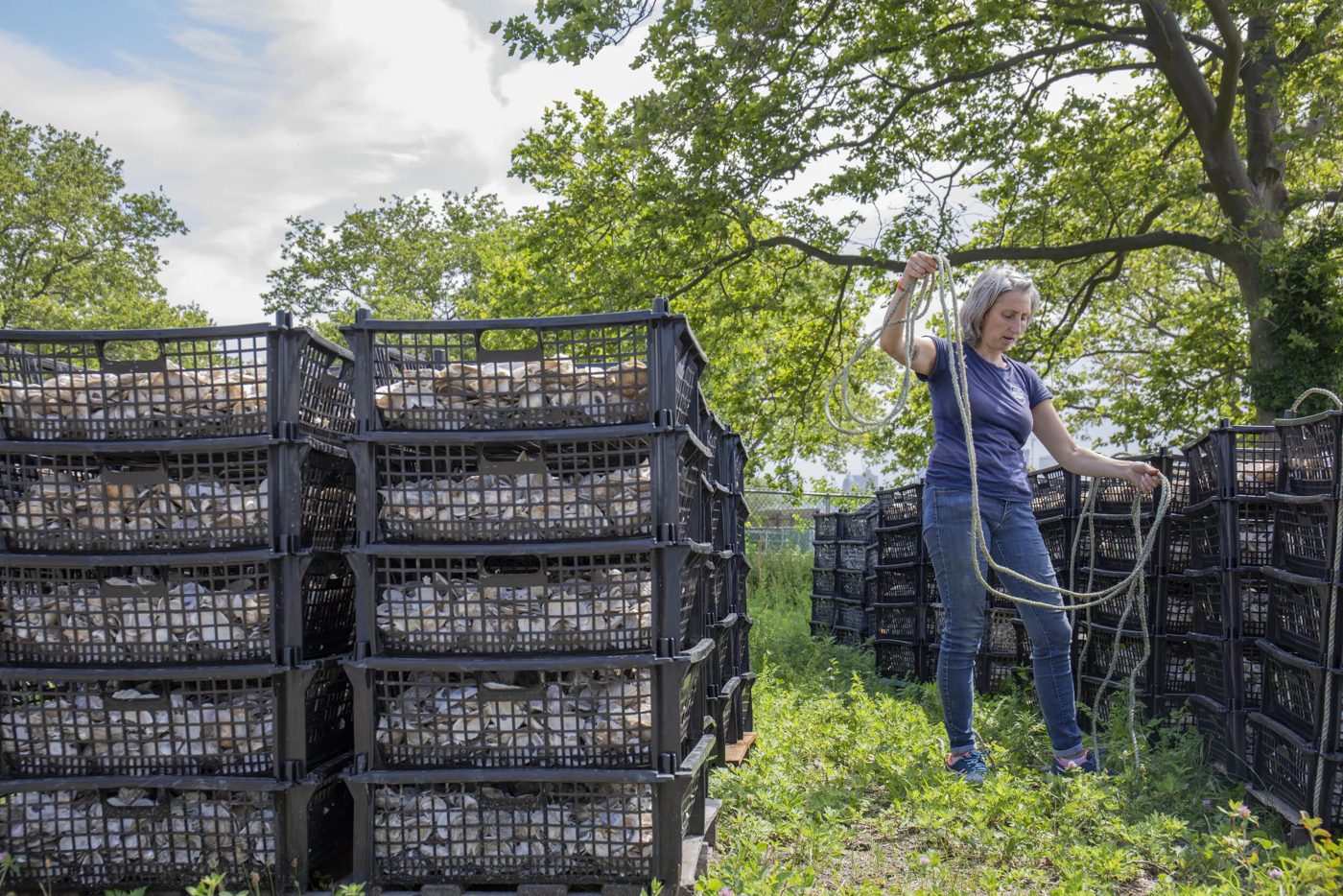
  • A volunteer with ropes beside stacked oyster cages
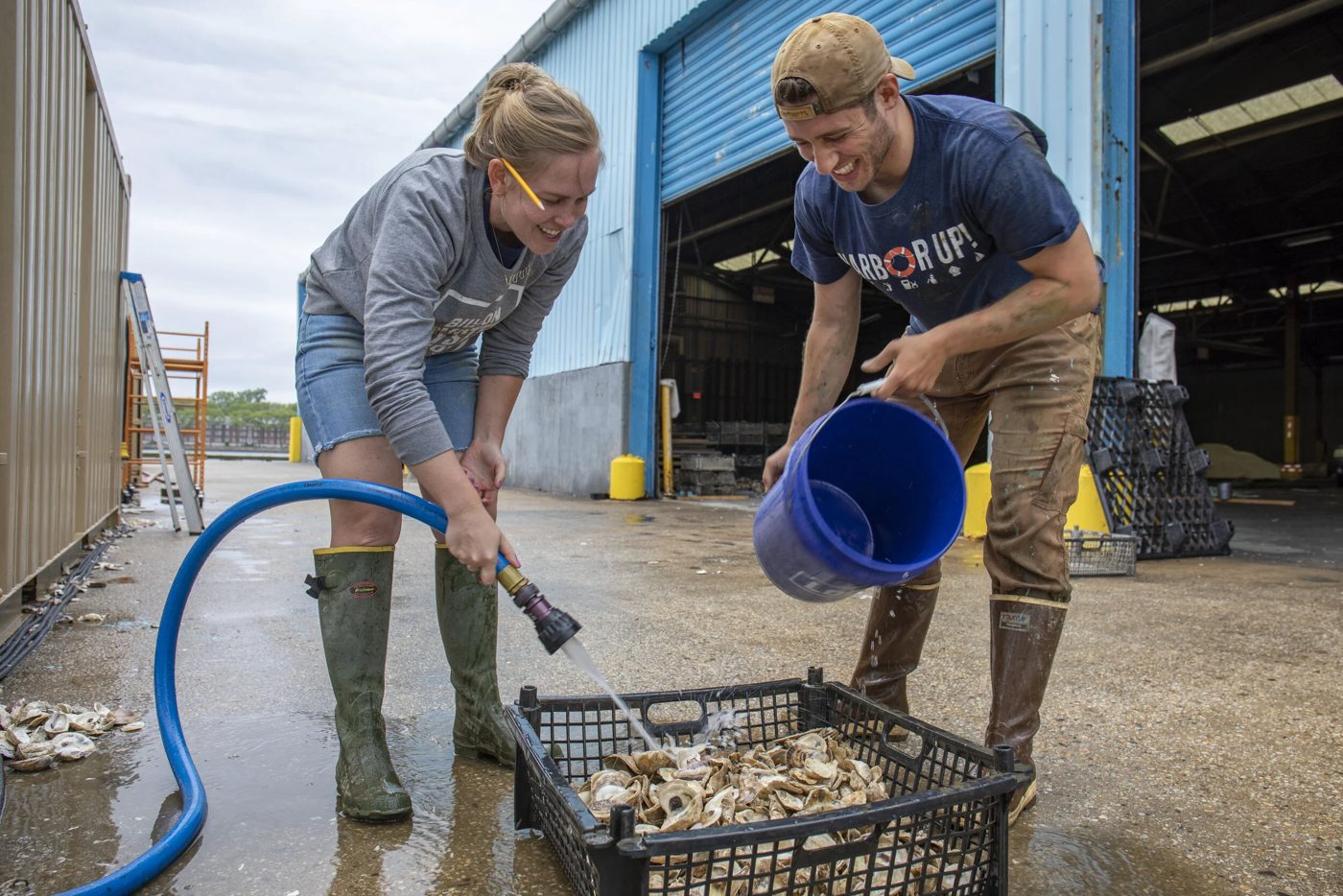
  • Team members rinsing oyster baskets at the dock
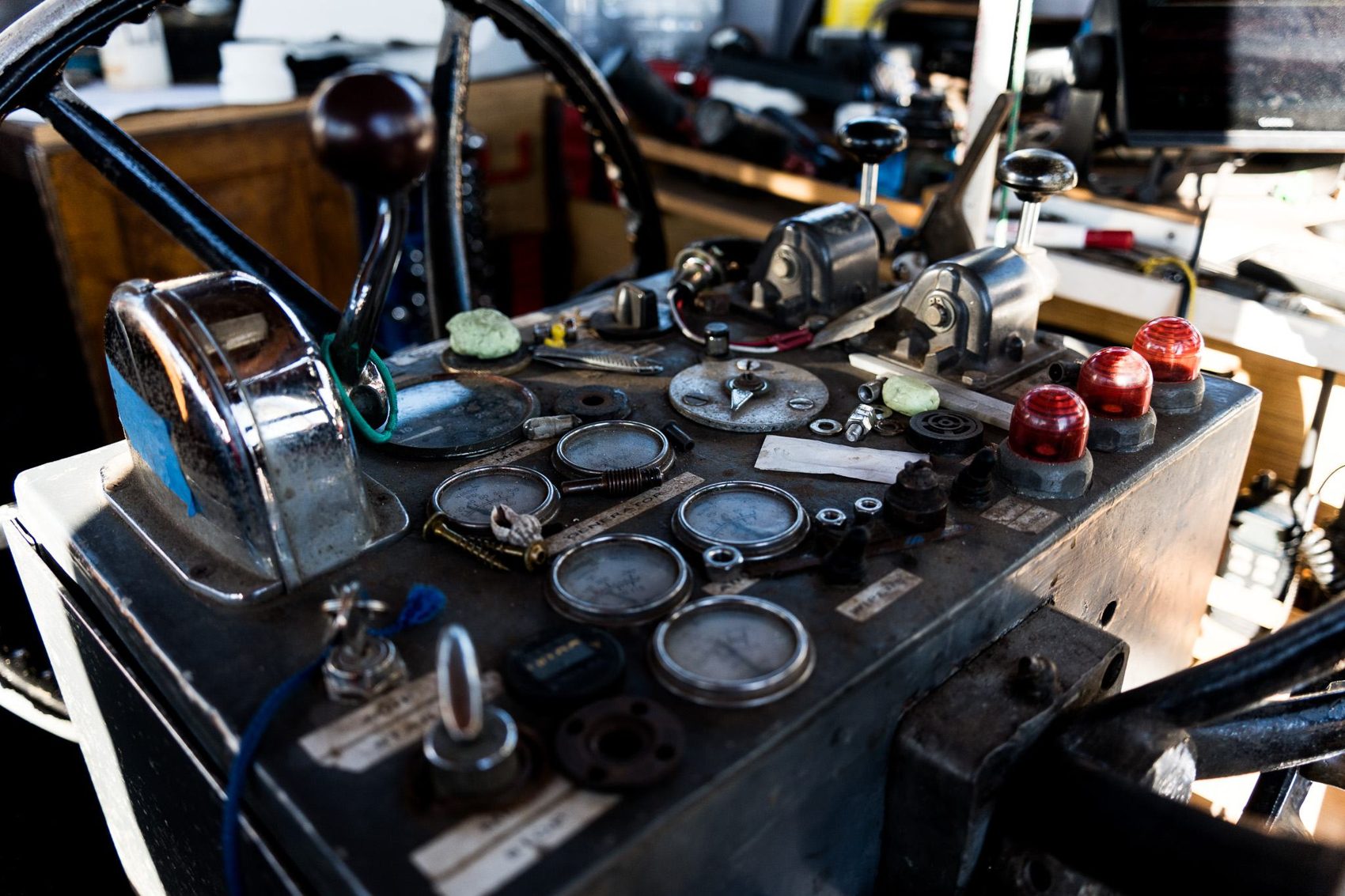
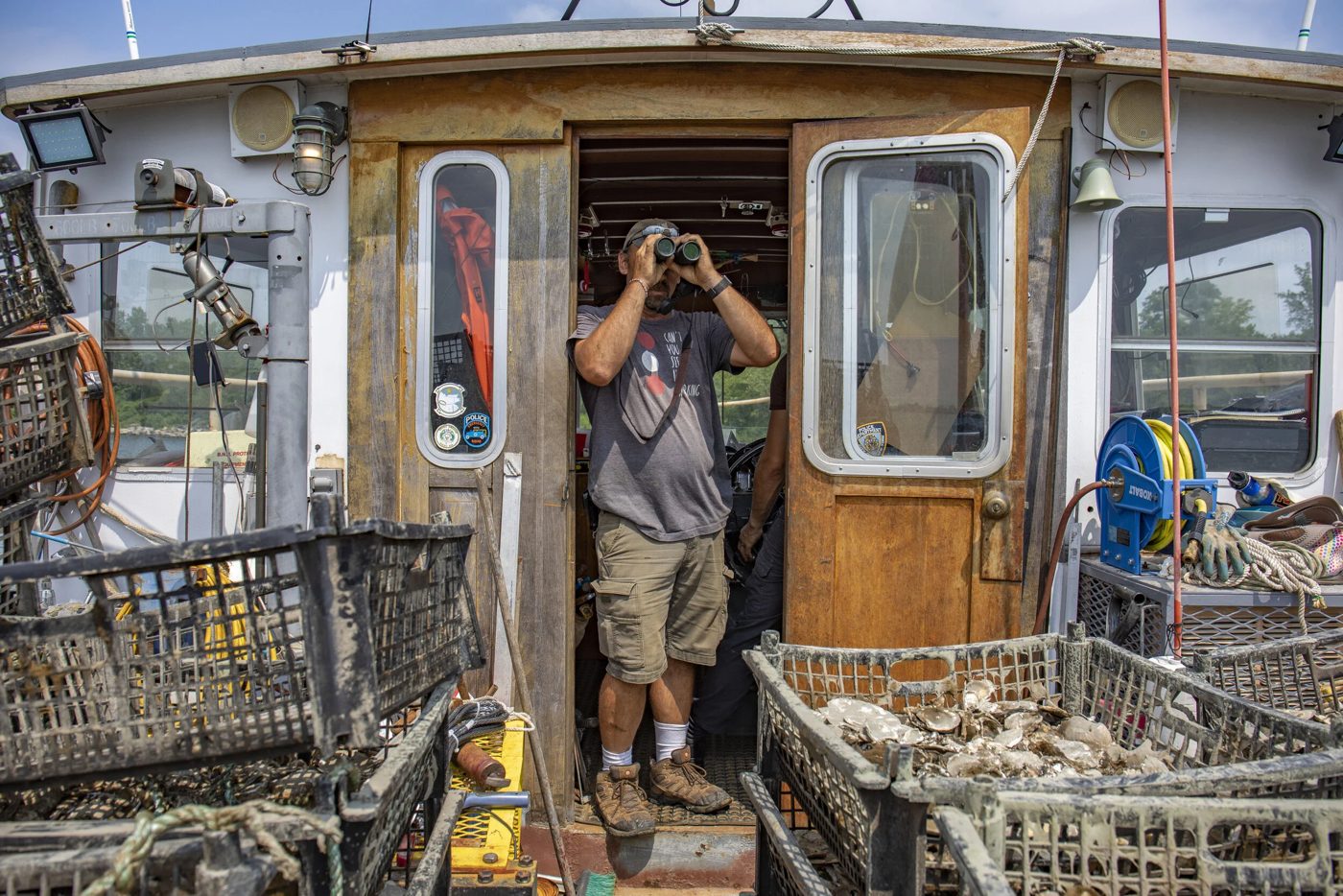
  • A crew member with binoculars at the work boat's wheelhouse door
1 / 17

New York Harbor is
having its
moment.

There’s a new energy around New York Harbor.

After more than a decade of restoration and education, we’re seeing what’s possible when people come together for the Harbor. And with more ways than ever to get involved, there’s a place for everyone in what comes next. The question now is what role will you play?

Financials · FY2026 (July 2025 – June 2026)

Where our funding comes from

Hover over the chart (or tap a slice) to see the numbers

Total revenue$12.55MFY2026
  • Individual30.9%$3.88M
  • Government28.4%$3.56M
  • Foundation25.2%$3.16M
  • Corporate11.0%$1.38M
  • Special events3.8%$0.48M
  • Other0.8%$0.10M